A traveller who jetted in from Spain has triggered alarm over a fast-spreading mpox outbreak in South Africa, with health authorities now scrambling to contain local transmission.
The Department of Health on Wednesday confirmed that as of Thursday this week, the country has recorded 18 laboratory-confirmed mpox cases and one probable case, with a sharp spike in the last month pointing to rapid local spread.
The majority of cases, 15, were reported in the Western Cape, specifically in the City of Cape Town, with three cases in Gauteng and one in KwaZulu-Natal.
13 of the total cases were recorded between 13 August and 17 September.
All patients are aged between 23 and 50, with a median age of 36.5 years. Eighteen are males and only one is female.
One of the most recent cases involved an individual who travelled to Spain earlier this month and returned to South Africa on 14 September.
The patient underwent testing in Spain after being informed of his probable case status.
“South African health authorities are in contact with the Spanish counterparts regarding laboratory test results of the individual to confirm his mpox status,” Departmental Spokesperson Foster Mohale said.
“The country is experiencing a rapid increase in laboratory-confirmed mpox cases in the past few weeks. As of 17 September 2026, the country has recorded 18 confirmed and one probable case, and this requires immediate and sustained public cooperation to contain.”
The Department is now urging citizens to remain vigilant as evidence mounts of sustained local transmission of the preventable viral infection.
“Mpox cases may present in any person who was in close contact with someone who tested positive for the virus in the last few days (up to 21 days) and will present by displaying similar symptoms,” Mohale warned.
“The importance of continued surveillance, early detection, and public cooperation cannot be overemphasised in preventing further transmission.”
The department further said tbe Mpox is a viral disease that can affect anyone regardless of race, gender, sexual orientation and socioeconomic status.
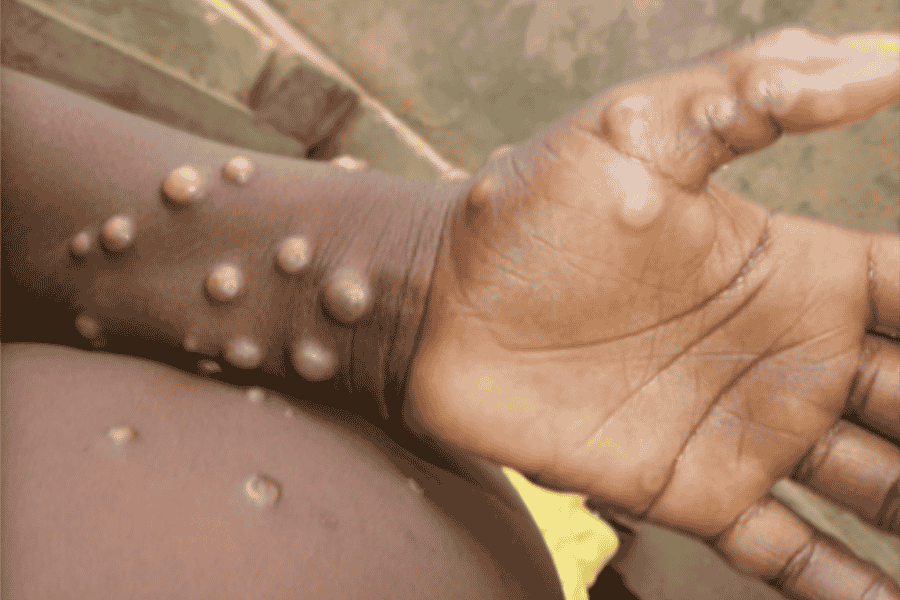
Symptoms include fever, headache, muscle aches, back pain, fatigue and rash or skin lesions that may appear on the face, hands, feet, genitals or other body parts.
Typically, the skin lesions start as flat red spots before progressing to bumps, followed by fluid-filled blisters, then pus-filled bumps and eruptions into crusted scabs.
Symptoms usually appear within 6 to 13 days after exposure but can range from 5 to 21 days.
“Anyone experiencing these symptoms, particularly if they have had close contact with a confirmed case or a suspected case, should seek medical attention immediately and avoid close contact with others,” Mohale said.
The virus is transmitted mainly through close physical contact with an infected person, including skin-to-skin contact with the rash or lesions, and contact with contaminated materials such as bedding, clothing, or towels used by an infected person.
“Mpox-positive persons can also transmit the virus through respiratory droplets during prolonged face-to-face contact, uncovered coughing or sneezing. Vigilance remains essential, particularly in households, healthcare settings and among close social networks,” Mohale said.
“Hand hygiene through frequent washing or use of sanitisers is one of the effective methods to prevent the spread of the virus.”
To curb the outbreak, the government, with support from the World Health Organization, has secured limited doses of mpox vaccines (MVA-BN) and treatment (Tecovirimat) as part of its outbreak response strategy.
“The health authorities will decide where and how to use these doses to contain outbreaks. Vaccination should be accompanied by continued adherence to preventive measures,” Mohale said.
The Department also warned against stigma.
“Individuals and communities are urged to support those diagnosed with mpox and those suspected of being infected with the virus, because stigma and discrimination have the potential to undermine an outbreak response by deterring people from seeking medical care,” Mohale said.