South Africa
South Africa hits back after US gives 60-day notice to kill AGOA benefits
Pretoria says it has offered more than enough concessions and accuses Washington of raising new issues mid-negotiation, after the US gave notice it will end South Africa's AGOA benefits from 1 January 2027.
4 min read
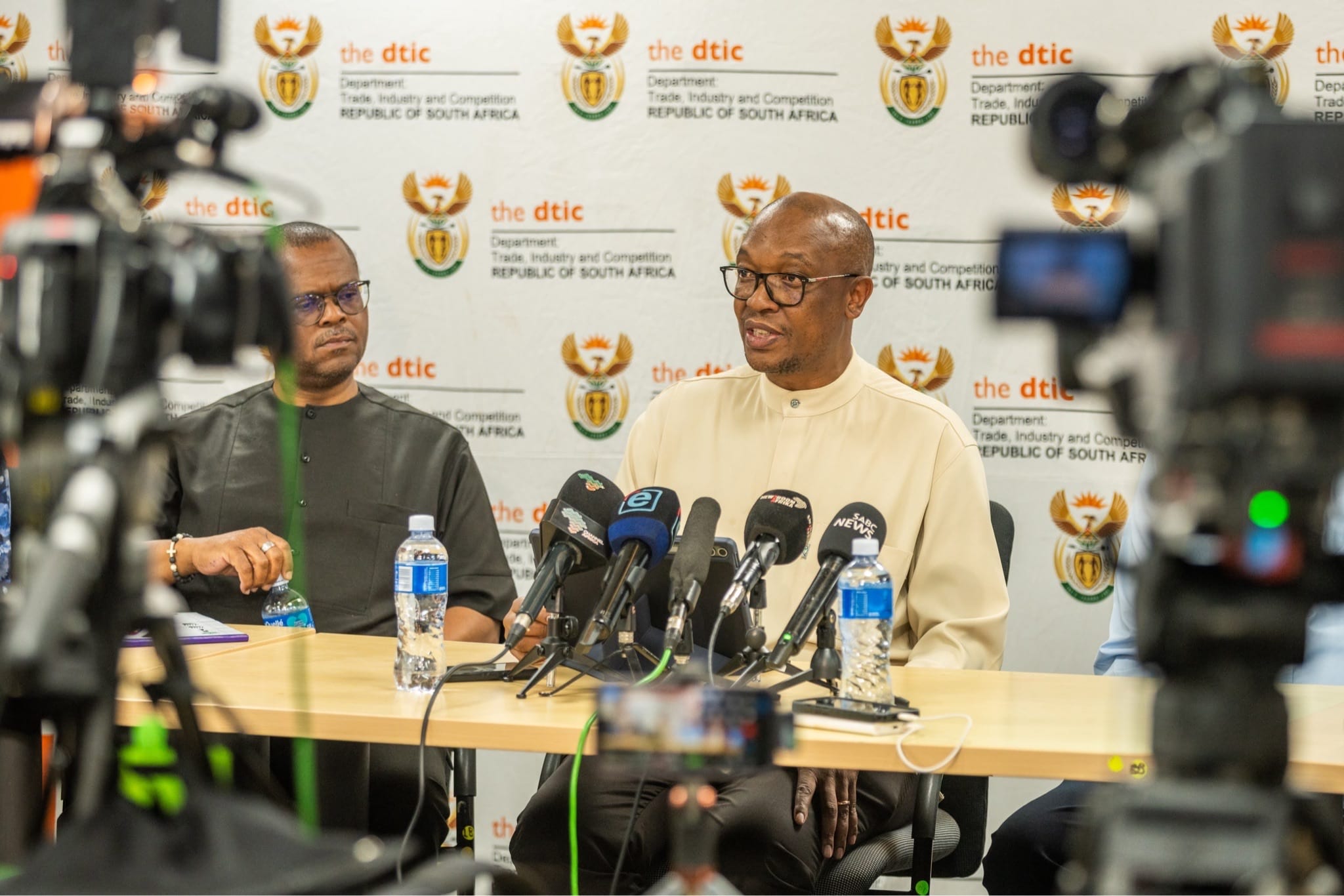
South Africa has pushed back strongly against the US move to end its AGOA trade benefits, saying it has already done more than enough to meet Washington's demands and accusing the US of changing the terms mid-negotiation.
In a statement on Monday night, the Department of Trade, Industry and Competition confirmed that Pretoria had received 60 days advance notice of Washington's intention to withdraw South Africa's AGOA eligibility effective 1 January 2027.
"The South African Government notes the decision by the United States Government giving South Africa 60 days advance notice of its intention to withdraw South Africa's benefits under the African Growth and Opportunity Act (AGOA) effective 1 January 2027," the department said.
Minister Parks Tau's department said government recognises the anxiety the decision creates for workers, exporters, businesses and communities linked to AGOA value chains.
"Government recognises the concern that this decision may create for workers, exporters, businesses and communities linked to AGOA supported value chains. The impact will differ across sectors, and government is working closely with affected industries to assess the implications and will continue to provide appropriate support, on a company to company basis," the statement said.
Tau's team mounted a direct challenge to the Trump administration's rationale, arguing that Pretoria had been constructive throughout the negotiations that began in 2025.
"Government has put extensive efforts to constructively respond to the US concerns and has tabled beyond the 2015 concessions, additional concessions through the appropriate channels. These concessions respect due process, safeguard South Africa's biosecurity and constitutional imperatives and its obligations under World Trade Organisation rules," the dtic said.
"It is however unfortunate that the US is now raising new issues that have not been the basis for discussions as part of the negotiations process that commenced in 2025."
The government also moved to downplay the economic significance of the loss, while warning of collateral damage to US interests.
"AGOA remains important to South Africa, but it does not constitute the totality of the economic relationship between South Africa and the United States. In 2025, approximately 89% of South African exports to the United States entered under ordinary World Trade Organisation most favoured nation terms, while approximately 10% entered under AGOA, down from 28% in 2024," the department said.
"AGOA exports were valued at approximately US$1.7 billion in 2025, down from $4 billion in 2024. AGOA exports represented about 1% of South Africa's total global exports."
Bilateral trade reached US$28.8 billion in 2025, with more than 600 American companies operating in South Africa, supporting approximately 134,600 jobs. South Africa supplies 12 of the 50 minerals regarded as critical by the United States, and 70% of US isotopes used in cancer treatments.
"South Africa supplies 12 of the 50 minerals regarded as critical by the United States, 70% of US isotopes used among others in cancer treatments, sources inputs from the US on goods manufactured for exports to the US under AGOA such as autos and boat building," the dtic said.
The US envoy, in a separate comment, said he remained hopeful that a way forward could still be found, but placed the burden on Pretoria.
"But the South African government must understand the gravity of the situation," he said. "This is the partnership I will continue to pursue as expeditiously as possible."
Tau's department said it will use the 60-day window to engage social partners and accelerate diversification, but drew a clear line on sovereignty.
"This decision does not define the broader relationship between South Africa and the United States, however a solution depends on the willingness of both Parties to find solutions. At the same time, government will support affected sectors, protect South Africa's national interests and continue pursuing trade, investment and shared economic opportunities with the United States," the dtic said.
"As a sovereign constitutional democracy, South Africa will continue to uphold its constitutional responsibilities, transformation objectives and international obligations while pursuing practical solutions that expand trade and investment."
The Afrika Mayibuye Movement offered a far more combative reading, framing the withdrawal as punishment for South Africa's independent foreign policy.
Mayibuye said it notes the decision to terminate eligibility with effect from 1 January 2027.
"The USA claims that South Africa has fallen foul of AGOA's eligibility criteria, citing barriers to American trade and investment, corruption and supposed threats to its national security and foreign-policy interests. Mayibuye sees this decision for what it is which is the latest step in a sustained campaign of pressure on a sovereign nation that has refused to take instructions on its foreign policy, on land reform, and on its principled case at the International Court of Justice," the party said.
"South Africa must not beg the United States. Our country must not go cap in hand to Washington, and should never trade away our sovereignty, our foreign policy or our Constitution for a tariff concession. A trade preference that can be withdrawn at the stroke of a pen to punish independent thinking is not a partnership but a leash."
Mayibuye argued AGOA had already been hollowed out, with South African cars facing a 25% US tariff regardless of AGOA, and a further 12.5% tariff since 24 July 2026.
"Begging to stay in AGOA would be begging for crumbs," the movement said, while acknowledging that about 86,000 auto jobs and 35,000 citrus jobs are at risk, and that the biggest beneficiaries had been European manufacturers like Mercedes-Benz and BMW assembling in East London and Rosslyn.
Related stories
South Africa
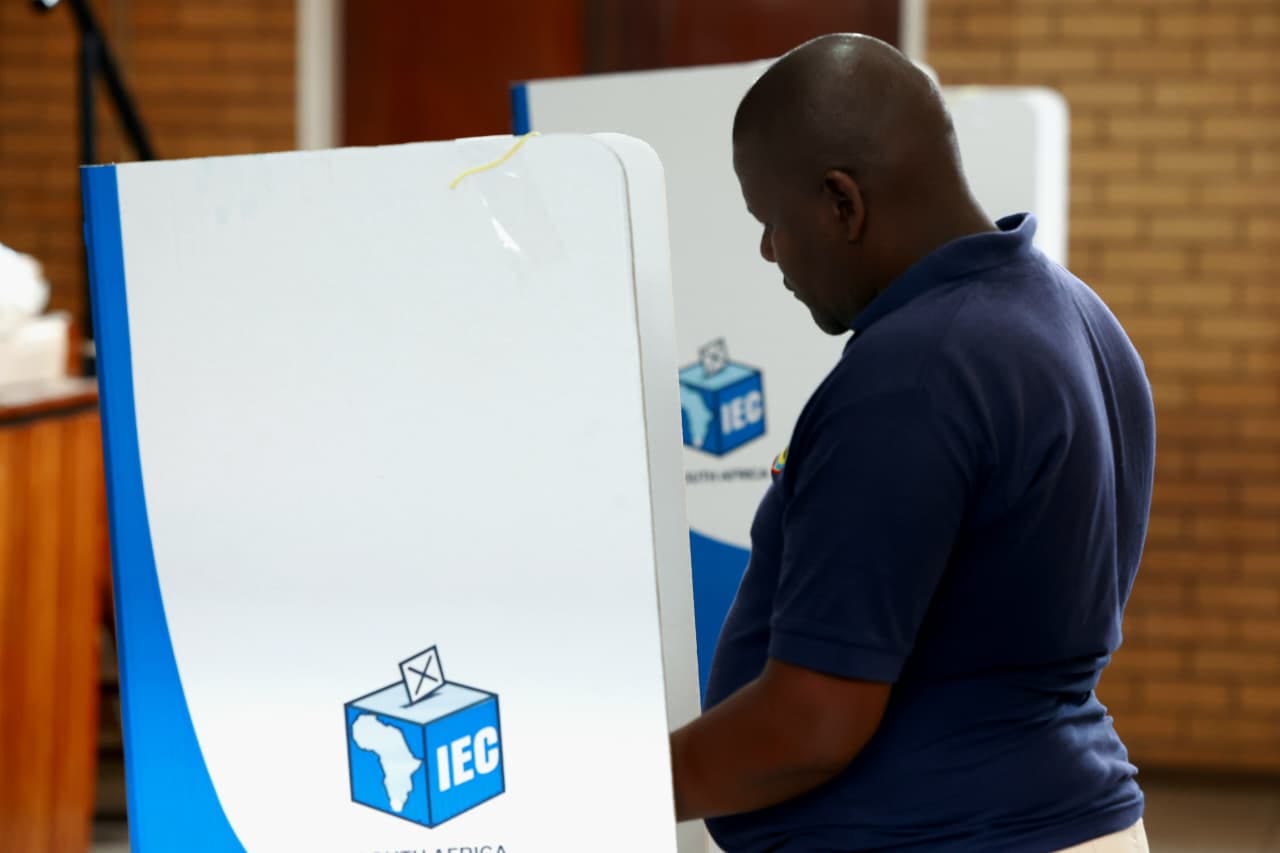
No ballot selfies, no peeping: IEC cracks down on secrecy ahead of final special vote and election day
By Mashudu Sadike
Latest from Africa Daily
Today's top stories- Health faces R50bn in medical negligence claims
- Jobless doctors told they're 'loud' and costly to hire
- No ballot selfies, no peeping: IEC cracks down on secrecy ahead of final special vote and election day
- Hawks secure vehicle preservation order in dagga case
- Two arrested for election-related offences in Limpopo