Politics
'Coalition galore' looms for KZN councils, says expert
A UKZN governance expert says no party is likely to win outright in eThekwini and several other big KwaZulu-Natal municipalities.
By Zama Nteyi
5 min read
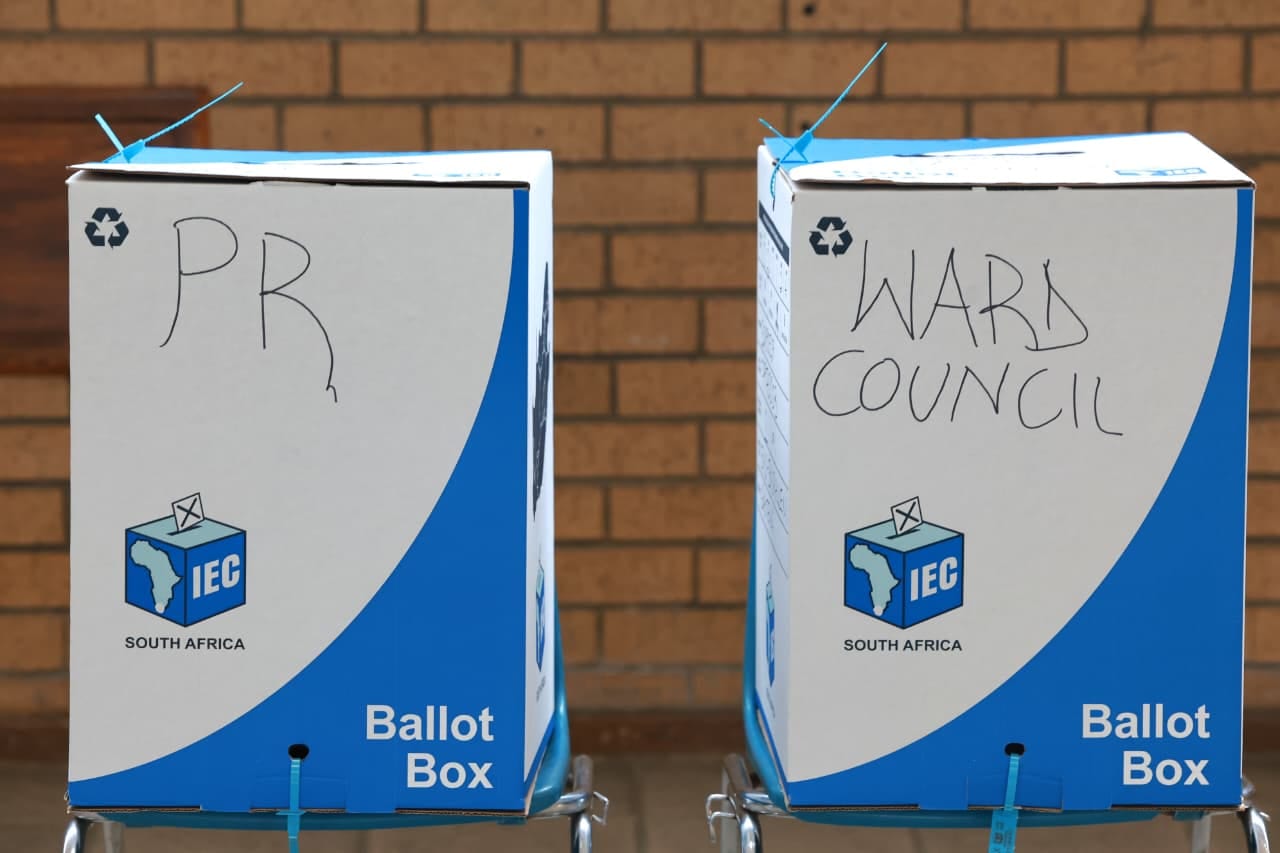
KwaZulu-Natal is heading for a wave of hung councils after Wednesday's local government elections, with no party likely to win outright in eThekwini and several other big municipalities.
That is the view of Dr Lihle Gumbi, a lecturer in Public Governance at the University of KwaZulu-Natal's School of Commerce.
Speaking to Africa Daily, he said: "If I am to base my argument on the trends since 2021, I think it is highly likely that South Africa will continue to see more hung councils and coalition governments, most particularly in KwaZulu-Natal.
"I think this is the result of a combination of a record number of candidates, the growth of smaller parties and independents, and increasingly fragmented voter support, which will make outright majorities less certain in many municipalities across the country.
"If anything is to go by, it is clear that KwaZulu-Natal has become one of the country's most politically competitive provinces. There are clear indications that support is increasingly divided among several major parties, such as the MKP, IFP, DA and EFF, rather than being dominated by a single party. This means that a relatively small shift in voter support can prevent a party from securing the 50%+1 needed to govern alone, especially in big municipalities like eThekwini, uMgungundlovu, uThukela, Ugu and many other small municipalities, where I do not see any of these parties getting 50%+1. It is going to be a coalition galore in KZN municipalities."
He said that small parties and independents could end up deciding who governs.
"I expect independent candidates and smaller parties to increase their presence in many municipal councils, even if most are unlikely to become governing parties on their own. I believe their real influence may emerge after the election, when coalition negotiations begin.
"Taking into consideration the fragmented political environment I have alluded to, a party with only a few seats can sometimes have a decisive impact on who governs a municipality and how that municipality is run, as has been the case with Al Jama-ah in the City of Johannesburg and the ABC in eThekwini.
"The key question is therefore not only how many seats independents and smaller parties win, but whether they can use those seats to provide stable governance and influence service delivery outcomes in coalition-led councils," he said.
Gumbi said broken services would weigh heavily on voters.
"I expect these issues to be among the most important determinants of voting behaviour in this election, as has always been the case in other election cycles, because they directly affect citizens' daily lives. I believe local government elections are a referendum on whether municipalities are delivering basic services such as water, electricity, roads, sanitation and refuse removal.
"Communities in many municipalities across the country that are experiencing persistent service failures are likely to evaluate parties and councillors based on tangible outcomes rather than campaign promises. A new breed of voter has emerged in South Africa.
"This is a voter who interrogates the promise made and asks: 'How is that promise going to be achieved?' Voters who face frequent water interruptions, deteriorating roads, unreliable waste collection or electricity-related challenges may use the election to express dissatisfaction with incumbent administrations. In this sense, I believe these elections could become a performance assessment of municipal governance rather than a vote driven primarily by ideology and loyalty.
"In areas where residents perceive improvements in infrastructure, service delivery or municipal responsiveness, incumbent parties may benefit. Conversely, in municipalities where services have deteriorated, opposition parties, smaller parties and independent candidates may find greater support by presenting themselves as credible alternatives," he explained.
On turnout, Gumbi said the record special vote numbers were a good sign.
"It is true that local government election turnout has been declining for several election cycles, so I would expect turnout to improve slightly this election cycle from what was the case in 2021, but I do not see it returning to the much higher levels seen in earlier years.
"But if one interrogates the record number of special vote applications, this suggests that many voters are making plans to vote, which could support a higher turnout than in 2021. If this trend is anything to go by, we are likely to see a record-breaking turnout for the 2026 elections. There are many factors that could encourage participation in this election.
"Amongst others, these include: competitive elections and coalition politics, because where election outcomes are perceived as close, voters are more likely to believe that their votes can influence who governs their municipality; service delivery concerns, because issues such as water shortages, electricity supply, road maintenance, refuse collection and municipal governance directly affect people's daily lives and may motivate participation; a desire for accountability, because voters who are dissatisfied with current municipal performance may see the election as an opportunity to reward or punish governing parties; and improved voting access, because the growth in online and SMS special vote applications suggests that easier access mechanisms may lower barriers to participation. The IEC can be commended for making the application process easier," he explained.
The IEC certified 136,790 candidates for these elections, up from 95,427 in 2021. Gumbi said this gave voters more choice but could also confuse them.
"For voters, a larger number of candidates generally means greater choice and representation. More candidates increase the likelihood that voters will find a party or independent candidate that reflects their interests, concerns or local priorities. This can strengthen democratic participation by giving citizens a wider range of options.
"Some voters may find it harder to make informed choices, especially if they have limited access to information about candidates. We have seen this with many political parties yet to declare who their mayoral candidates are. An increase in candidates also reflects a maturing democracy, and people will need to eventually accept that this is how things are going to be for many elections to come. It will not be a handful of parties on the ballot paper. Many parties will still pop up every election as others fail and others break apart," Gumbi said.
He went on to say that the credibility of the count would matter as much as the result.
"I believe the most important question on Election Day is not simply who or which party wins, but whether the election is conducted in a manner that is free, fair, transparent and credible. Now that campaigning has been done by the different parties, attention will shift during the results period to whether the IEC can manage the counting, verification and announcement of results in a way that inspires confidence among voters, political parties and the broader public, and also how it manages the misinformation that tends to thrive during this period. The quality of the process may ultimately be just as important as the outcome itself," he said.
Voters will elect councillors to 10,526 seats across eight metros, 44 district municipalities and 205 local municipalities.
Polls open at 7am and close at 9pm on Wednesday.
Related stories
Politics
IEC says first day of special voting back on track after Cape Town ballot delays
By Mashudu Sadike
Politics
What you need to know before you vote: IEC issues final checklist ahead of election day
By Mashudu Sadike

More on kwazulu-natal
All kwazulu-natal storiesLatest from Africa Daily
Today's top stories- Dagga trafficker's R100,000 getaway vehicle seized in Hawks crackdown
- Sundowns seek Cup redemption as Arrows stand in their way
- Cape Town City knocks Magesi off the summit in thrilling title race
- US kicks South Africa out of AGOA, COSATU warns of job bloodbath and blames AfriForum
- Two convicted in Phala Phala farm theft that haunted Ramaphosa presidency