Politics
What you need to know before you vote: IEC issues final checklist ahead of election day
The IEC says voters must bring a valid ID, check where they are registered and follow strict rules at voting stations.
3 min read
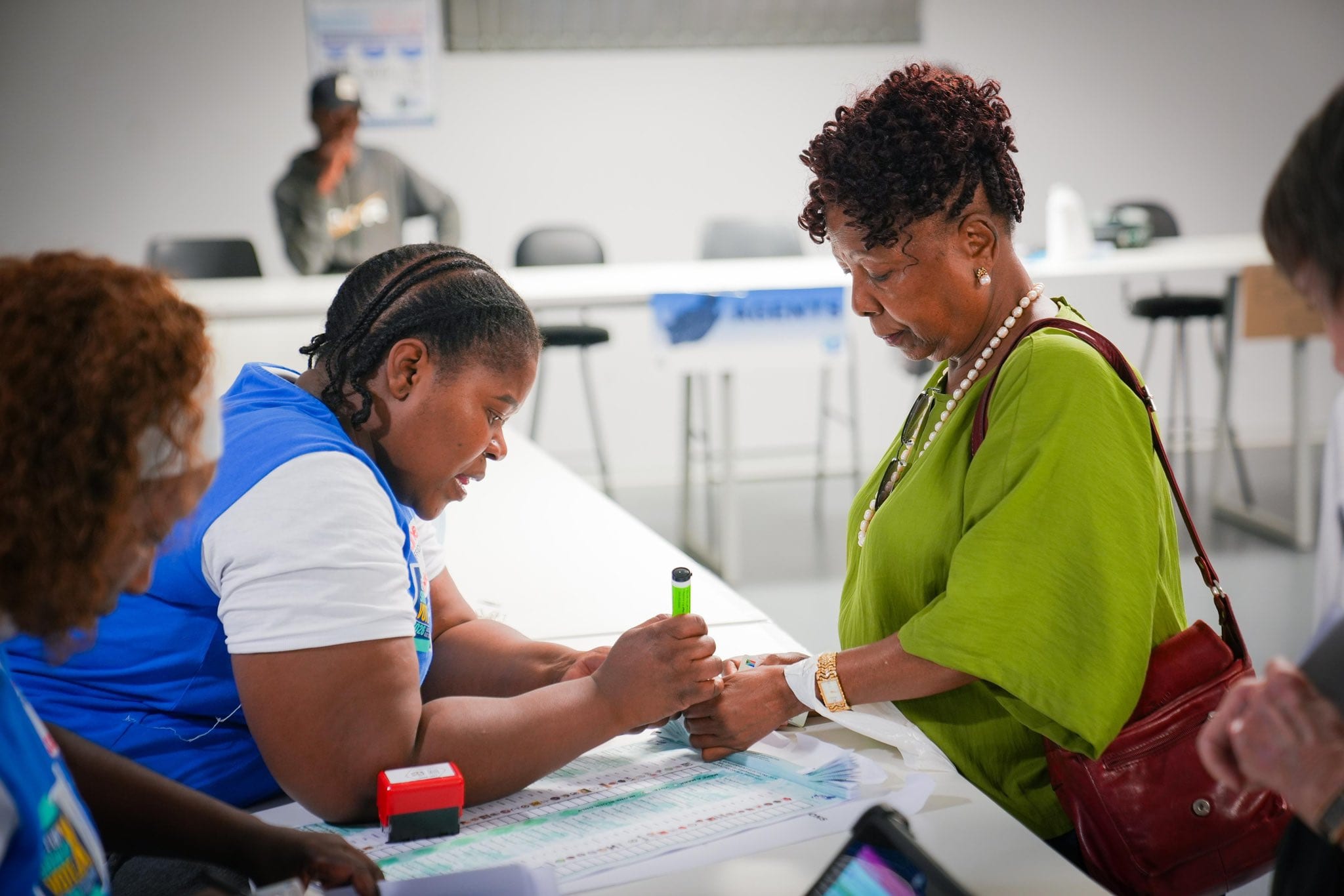
The Electoral Commission of South Africa has issued a final call for voters to get their documents in order and check where they must vote, warning that failure to do so could see them turned away as the country heads into special voting and election day.
With special voting scheduled for Monday and Tuesday, 2 and 3 November, between 8am and 5pm, and the main Local Government Elections set for Wednesday, 4 November, from 7am until 9pm, the IEC says preparation is critical.
Whether you are a first-time voter or a regular, here is what will actually be enforced at the station doors.
Bring the right ID – or you will not vote
Your identity document is non-negotiable. The IEC will only accept three forms of identification: the green barcoded ID book, the smart ID card, or a valid Temporary Identity Certificate, known as a TIC.
If you do not have an ID book or smart card, you must get a TIC through the Department of Home Affairs.
Home Affairs has extended its hours specifically for the elections to help with smart ID applications, collections and TICs:
- Monday and Tuesday, 2 and 3 November: 8am to 6pm
- Election Day, Wednesday 4 November: 7am to 9pm
The Commission has been blunt about what will not be accepted. Driver's licences, passports, student cards and photocopies of IDs are not valid and will not get you a ballot paper.
"Voters are therefore encouraged to check that they have the correct documents before leaving home to avoid being turned away at voting stations," the IEC said.
Check where you are registered
Only registered voters can vote. If you have never registered, you cannot simply pitch up on election day and register.
Those who voted before and remain on the voters' roll do not need to re-register, but they must verify their details. Voting districts and station locations can change between elections.
The IEC provides a voter information service to check registration status and confirm your designated station. Voters can visit www.elections.org.za (opens in a new tab) or contact the Commission's call centre.
Heading to the wrong station is one of the most common reasons for delays, officials warn.
The rules inside the station
The IEC says strict rules will apply inside and around voting stations to keep the process orderly, free and fair.
What you cannot do:
- Wear political party regalia or bring flags, posters and other campaign material inside the station. Campaigning must happen outside the designated boundary.
- Bring firearms or dangerous weapons into the station.
- Take photographs of your marked ballot or selfies in the voting booth. The Commission says this compromises secrecy and is prohibited.
- Attempt to vote more than once in the same election.
What you must do:
- Follow instructions from IEC officials and respect other voters in the queue.
- Leave the station after voting unless you have a legitimate reason to remain, such as assisting an elderly or disabled voter.
- Be in the queue by closing time. Stations will operate from 7am to 9pm on Wednesday, but anyone who is not in the queue by 9pm will not be allowed to vote. Those already in the queue at 9pm must be accommodated.
The Commission also warned against intimidation. No person may pressure or intimidate voters into supporting a particular party or candidate.
The guidelines come as the IEC faces mounting pressure over logistics, after ballot paper delays disrupted special voting in Cape Town on Monday, affecting 217 voting districts. Opposition parties, including the EFF, have already questioned the Commission's preparedness.
For voters, the message is simple: check your registration now, secure the correct ID, confirm your station, and leave party T-shirts at home.
With more than 26 million registered voters expected to cast their ballots in what is predicted to be the most contested local government election since democracy, even small mistakes at the door could cost a vote.
Related stories


Politics
ACDP cries foul as election posters vanish in Bryanston, warns of criminal sabotage
By Mashudu Sadike
More on 2026 local government elections
All 2026 local government elections stories2026 Mayoral chain showdown
Zille: Only the DA can fix Joburg as she launches bold bid for mayor
By Mashudu Sadike