South Africa
EFF comes out guns blazing over Cape Town ballot paper chaos on first day of special votes
The party says the IEC's blaming its printing contractor does not absolve it after 217 voting districts in the City of Cape Town could not open on time.
3 min read
The EFF has launched a scathing attack on the Electoral Commission of South Africa after ballot paper shortages left 217 voting districts in the City of Cape Town unable to open on time on the first day of special voting.
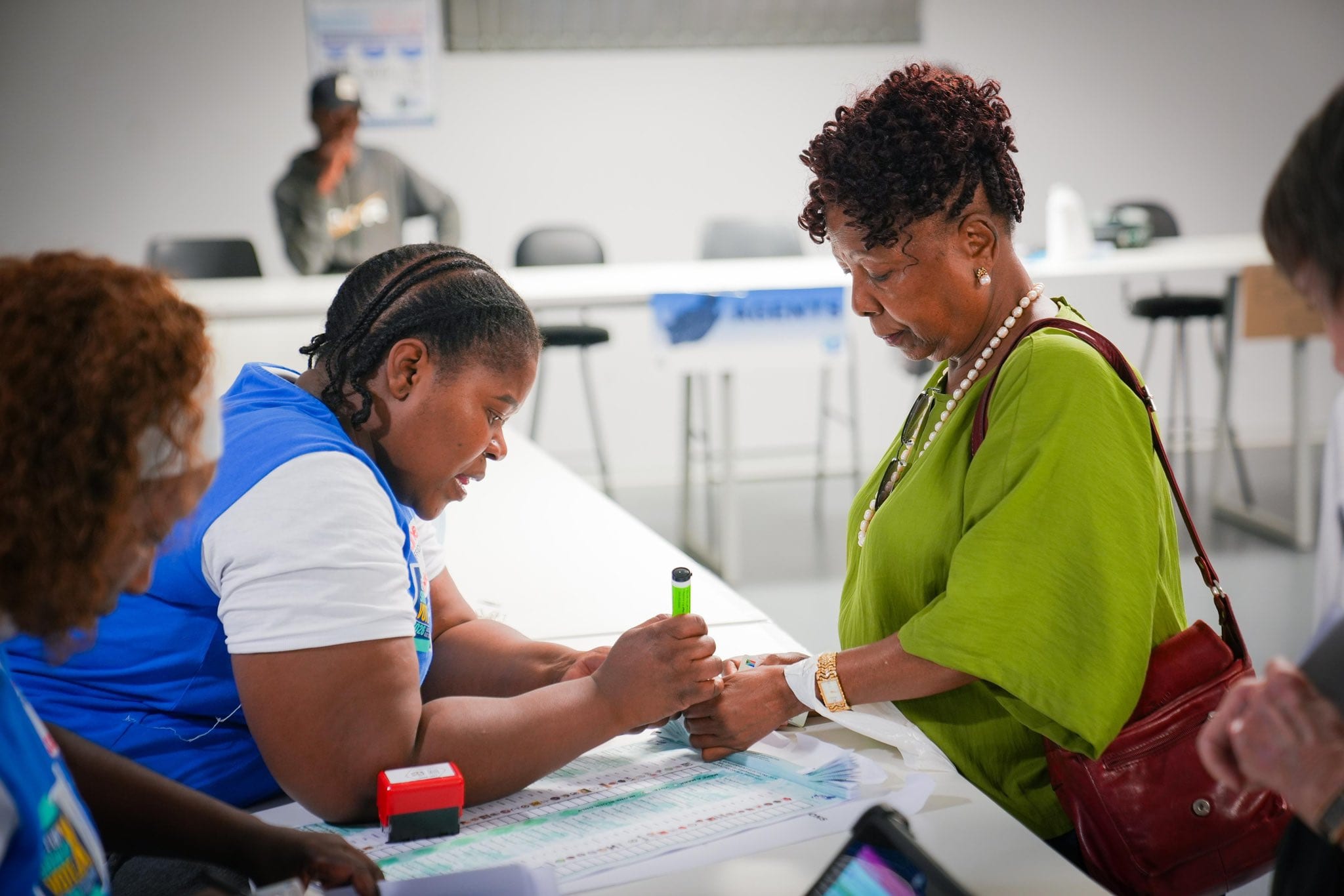
Monday was meant to be a smooth start to the 2026 Local Government Elections, with special votes for the elderly, infirm and essential workers.
Instead, voters across 33 wards in the metro arrived at stations only to be told there were no ballots.
In a statement on Monday, the EFF said it condemns the failure of the IEC "in the strongest possible terms", describing the incident as far more than a logistical hiccup.
"It is particularly concerning that eligible voters arrived at voting stations, having made the necessary arrangements to cast their ballots, only to find that there were no ballot papers available," the party said.
"Some voters have been forced to leave without voting, despite making the effort to participate in the electoral process."
The party said the scale of the failure compromises citizens' democratic rights and exposes the IEC's lack of readiness for Wednesday's main election.
"An institution entrusted with administering elections must have the most basic electoral materials ready and available before voting begins," the EFF said.
The affected areas span the length of the metro and include some of Cape Town's most populous and politically contested wards: Strand, Khayelitsha, Philippi, Wynberg, Constantia, the City Bowl, Athlone, Gugulethu, Delft, Atlantis and Kraaifontein.
For the EFF, that geographic spread is significant. The party argued that there must never be a situation in which the ability to vote depends on whether a truck managed to deliver papers on time.
"The scale of this failure is more than just a minor administrative mistake. It compromises the ability of citizens to exercise their democratic right," the red berets said.
The IEC has since apologised, with Western Cape chief electoral officer Michael Hendrickse admitting that stations could not open at 8am as planned.
Hendrickse attributed the delays to "unforeseen challenges" with the commission's ballot-printing contractor, saying that despite best efforts by both the IEC and the printing company, not all ballots were ready for early voting.
He said the situation was fluid and stations were opening as ballots arrived, and stressed that no problems were reported in the outlying areas of the Western Cape.
The EFF has rejected that explanation outright.
"The IEC's explanation that the delays were caused by unforeseen challenges with its ballot-printing contractor does not absolve it of responsibility," the party said.
"The commission is ultimately responsible for ensuring that every aspect of the electoral process is properly coordinated, including the production, distribution and security of ballot papers."
The party has now demanded that the IEC urgently ensure immediate delivery to all 217 affected voting districts and provide a clear operational update on their status.
The incident comes at a particularly sensitive moment for the IEC, which is under intense scrutiny ahead of what is expected to be the most competitive local government election since 1994. Coalition politics in Johannesburg, Tshwane and Nelson Mandela Bay means every ward counts, and any perception of inefficiency risks fuelling distrust.
Cape Town, while still DA-controlled, has seen growing competition from the EFF, Patriotic Alliance, GOOD and the National Coloured Congress in the Cape Flats and township communities – precisely some of the areas affected by Monday's delays.
Election observers note that special votes, though smaller in number, are often seen as a dry run for election day logistics. Failure on day one inevitably raises questions about Wednesday.
For voters, however, the concern was more immediate. Reports filtered in throughout the morning of elderly residents queuing in the sun in Khayelitsha and Atlantis, only to be turned away and told to return later. In a city where transport costs are high, that return trip is not guaranteed.
The IEC has not yet indicated whether special voting hours will be extended to compensate voters who left without casting their ballot, or how it will ensure that similar delays do not recur on Tuesday, the second day of special voting, and on Wednesday.
What is clear is that the EFF intends to use the issue to put pressure on the commission.
The party said it would be monitoring the situation in all 33 affected wards and would not allow what it called the disenfranchisement of voters in working-class and black communities to be brushed aside as an administrative error.
Related stories


Opinion
South Africa Decides 2026 at Local Government Elections: An Election Observer in Observation
By Ras Adv Sipho Mantula
More on eff
All eff storiesLatest from Africa Daily
Today's top stories- ACDP cries foul as election posters vanish in Bryanston, warns of criminal sabotage
- Act on fake documents or we will: AG to DCS
- Lebo M organises political debates ahead of elections
- Agrizzi to appeal R1.6 billion confiscation order
- SAHRC warns Gauteng water crisis requires accountability beyond government plans