South Africa
US kicks South Africa out of AGOA, COSATU warns of job bloodbath and blames AfriForum
3 min read
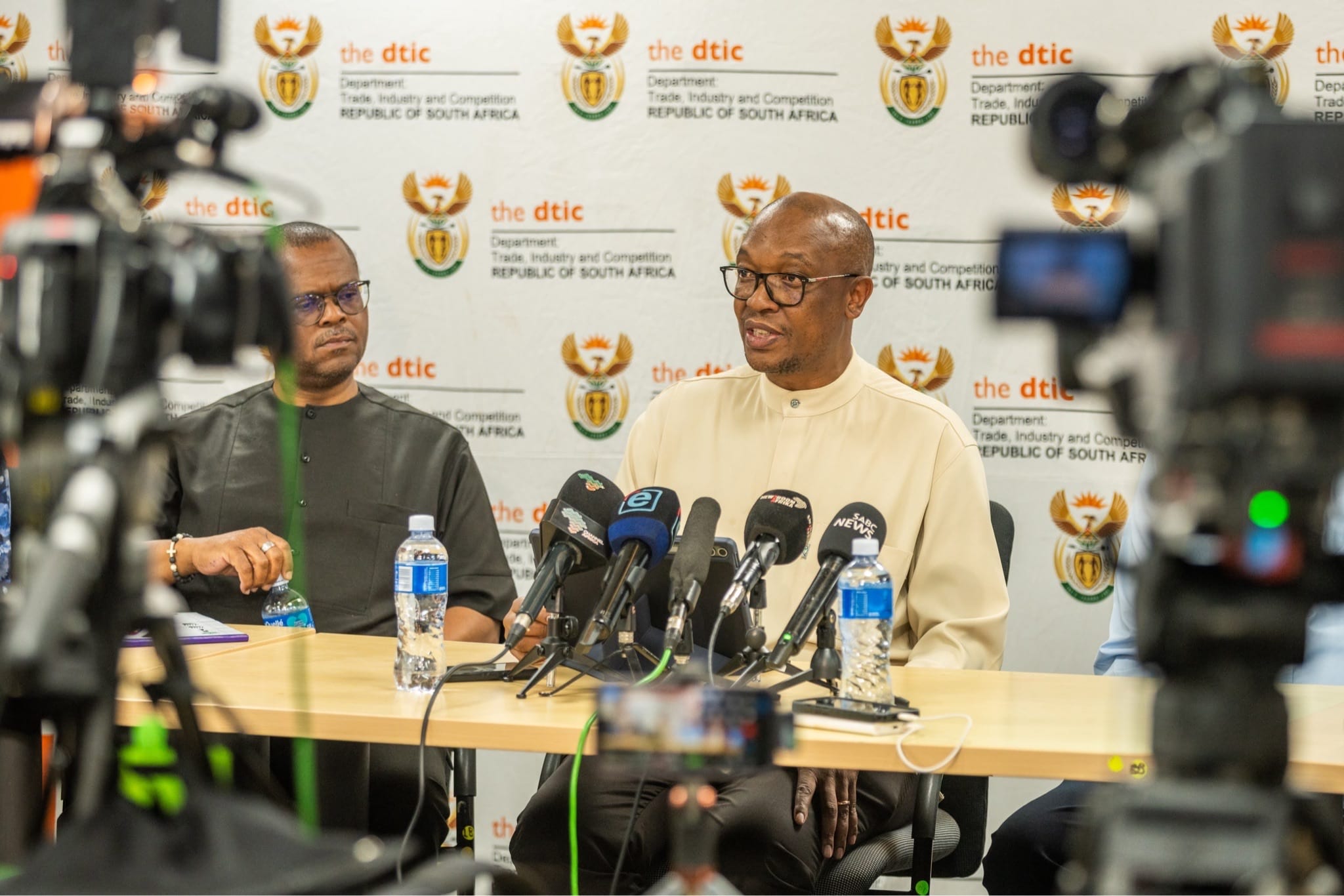
South Africa has been removed from the African Growth and Opportunity Act (AGOA), the United States' flagship preferential trade programme, in a decision that threatens thousands of agricultural and manufacturing jobs and marks the lowest point in increasingly hostile relations between Pretoria and Washington.
The Congress of South African Trade Unions confirmed the removal in a statement on Monday night, saying the exit will take effect from January 2027.
"The Congress of South African Trade Unions notes the United States' government's removal of South Africa from the African Growth and Opportunities Act," COSATU said.
AGOA has for two decades given South African exports – from citrus and nuts to wine, processed fruit and vehicles – duty-free access to the world's largest economy.
Bilateral trade reached US$28.8 billion last year, with more than 600 American companies operating in South Africa.
The timing was expected. South Africa had been awaiting a decision on Monday on its continued eligibility, after a year of engagements led by Trade and Industry Minister Parks Tau.
Tau had said government was hopeful of a favourable outcome, and that even if eligibility was withdrawn, Pretoria would have 60 days to address US concerns before suspension.
That 60-day window is now all that stands between South African exporters and the loss of preferential access.
South Africa is not alone in having a trade surplus with the US, but its position is unusual for a developing economy.
COSATU said the impact will be immediate and devastating.
"COSATU is deeply concerned by the impact South Africa's exit from AGOA, due to take effect from January 2027, will have on thousands of agricultural and manufacturing jobs linked to it. We have already seen many jobs lost at factories and companies in Cape Town, Atlantis, Malmesbury and Tulbagh, amongst others," the federation said.
"We have seen the devastation it threatens to these workers and farmers' abilities to take care of their families."
The federation pointed to South Africa's 43.8% unemployment rate and weak growth as context for why the loss is so dangerous.
"It is important that South Africa's government utilise the next 60 days before this exit comes into effect, to negotiate a favourable set of solutions to avert this potential blow to the South African economy and jobs," COSATU said.
"These engagements must be based upon facts, not fiction. They must be anchored upon mutual respect, including the recognition and appreciation of South Africa as a constitutional democracy and a sovereign member of the international community."
COSATU demanded an urgent rescue package from government.
"It is critical that the Departments of Trade, Industry and Competition; Employment and Labour; National Treasury; and Agriculture; put in place an urgent package of support for at risk workers, companies, industries and communities. This must include subsidies and incentives, tax rebates and holidays, and support from the Unemployment Insurance Fund's Temporary Employment Relief Scheme. We cannot afford to abandon a single worker, business, industry or community."
The federation also stressed that AGOA was not a one-way favour. It helped nurture intra-African trade, with South African vehicle exports to the US including components made in neighbouring states, and had created an estimated 200,000 direct jobs in the US itself through supply of goods including critical minerals.
In its most politically charged section, COSATU directly blamed lobby groups AfriForum and Solidarity for the decision, accusing them of peddling a white persecution myth in Washington.
"It is long overdue that AfriForum, Solidarity and other proponents of the white persecution myths, appreciate the very real damage that their endless lobbying of and antics in the US have done to bilateral relations. South Africa's removal from AGOA is in no small part a direct result of their tireless efforts to decampaign South Africa," COSATU said.
"They must now explain to white farmers from the vineyards of the Cape to the citrus farms in Limpopo; to White, Coloured, Indian and African workers from the clothing factories in Cape Town to the motor manufacturing plants in the Eastern Cape, Gauteng and KwaZulu-Natal why their livelihoods will now be lost. This is AfriForum, Solidarity et al's legacy. They must own it."
For now, COSATU says it will work with government, industry and the US labour movement to protect workers, while pushing for diversification.
"Efforts to boost and diversify South African exports to other markets from Canada to Brazil, from Europe to Asia, and most importantly across the African continent must be accelerated," the federation said.
"South Africa is a resilient nation. It has overcome some of humanity's darkest moments."
Related stories



Politics
Parties mixed on Godongwana’s mid-term budget as fuel relief fails to cool anger over growth, jobs
By Justine Dumont
More on cosatu
All cosatu storiesPolitics
ANC to meet ANCYL ‘soon’ after Youth League demands DA be kicked out of GNU
By Mashudu Sadike
Politics
ANC downplays ANCYL attack on Mantashe after Congress walkout exposes alliance cracks
By Mashudu Sadike
Politics
Shingange pledges loyalty to ANC, SACP alliance, but demands radical overhaul
By Mashudu Sadike
News
Shingange and Losi clinch COSATU top jobs in midnight votete at Emperor’s Palace
By Mashudu Sadike
Latest from Africa Daily
Today's top stories- Two convicted in Phala Phala farm theft that haunted Ramaphosa presidency
- IEC says first day of special voting back on track after Cape Town ballot delays
- Court exposes unlawful process behind Sizekhaya's lottery windfall
- Man caught trying to steal R47,000 dialysis equipment for R5,000
- What you need to know before you vote: IEC issues final checklist ahead of election day