When Mathata Tsedu welcomed us to his home, I became aware of the significance of the event beyond its intended purpose.
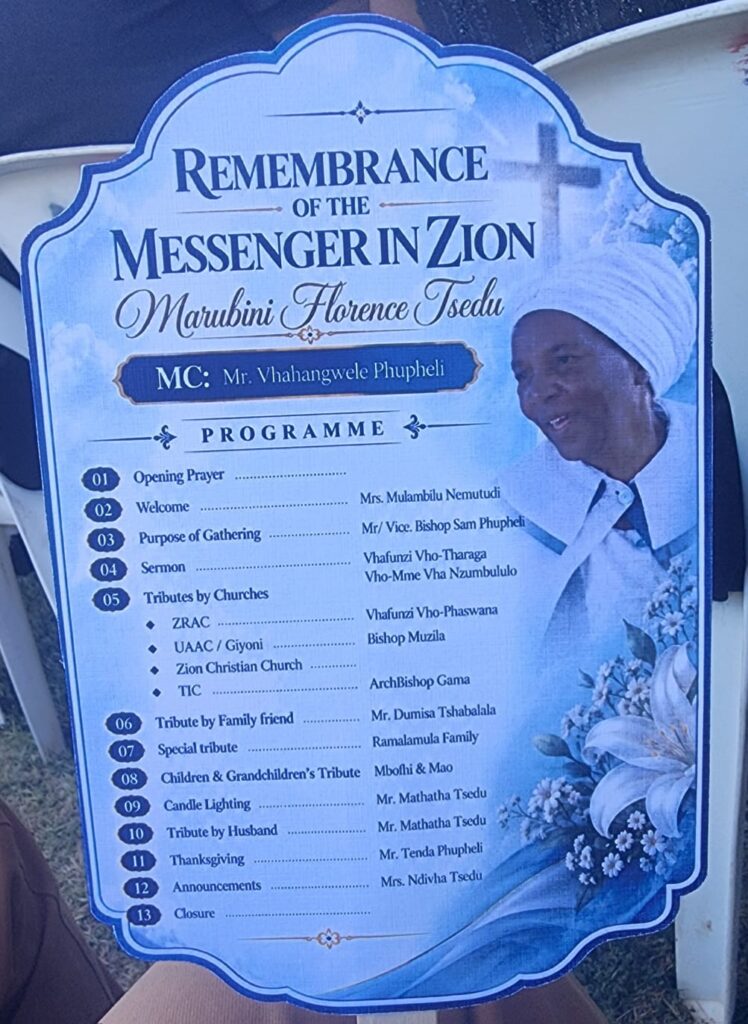
We had come for a remembrance service for his wife, Marubini Florence Tsedu. We thought we were coming to comfort a brother. But something else happened.
I was blessed to be in the company of role models and colleagues I looked up to after 1976.
These were men I knew by byline in newspapers like The World and Sowetan. In 1976, when Soweto burned, I was a young boy. I did not know what journalism was.
I knew names at the bottom and top of articles that told us the truth the SABC would not tell. Names that made us feel Black and proud when to be Black was to be told you were inferior.
Thus, the remembrance for Marubini Florence Tsedu turned out to be a regathering of Black journalists and editors. A reunion we did not know we needed.
More than two dozen had confirmed attendance. And they showed up. Those who did not were present in spirit. You could feel them.
Get-togethers are now rare. People over 70 prefer to stay home for various reasons. These include health, transport and reluctance to be in a social vibe. Rightly, they prefer peace and privacy. They have earned it. They have buried too many friends. Their knees hurt. They are losing sight. They do not want loud music and speeches.
But on this day, they came.
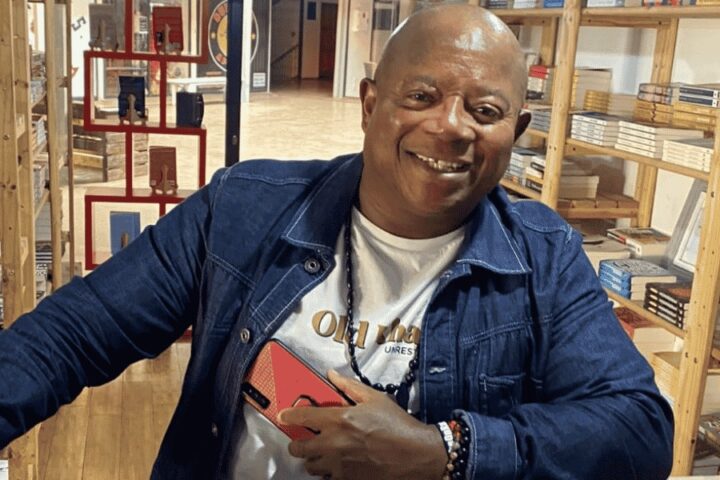
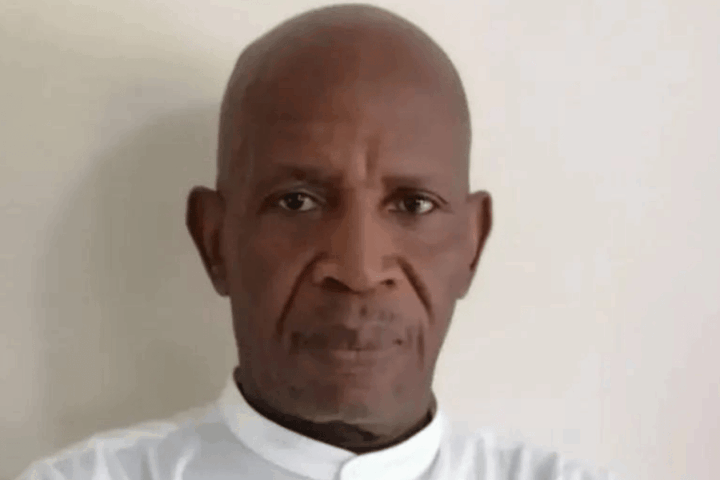
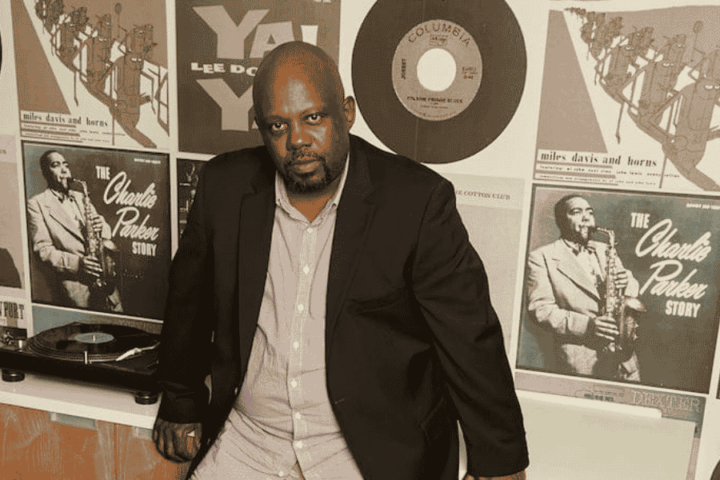
It was soul-nourishing to see Bra Khulu Sibiya. Dr Thami Mazwai. Dr Joe Tlholoe. Dr Phil Mtimkulu. Sekola Sello. Willie Bokala. Mike Tisong. Isaac Moroe, who drove all the way from Bloemfontein.
When I saw them, I saw my own history.
These were veterans who picked up the cudgel in the 1960s after the Drum School. The Drum writers of the 1950s – Henry Nxumalo, Can Themba, Nat Nakasa, Lewis Nkosi, Es’kia Mphahlele – had taught us that Black life was worth writing about with wit and defiance. They were silenced, banned, exiled, killed, or committed slow suicide.
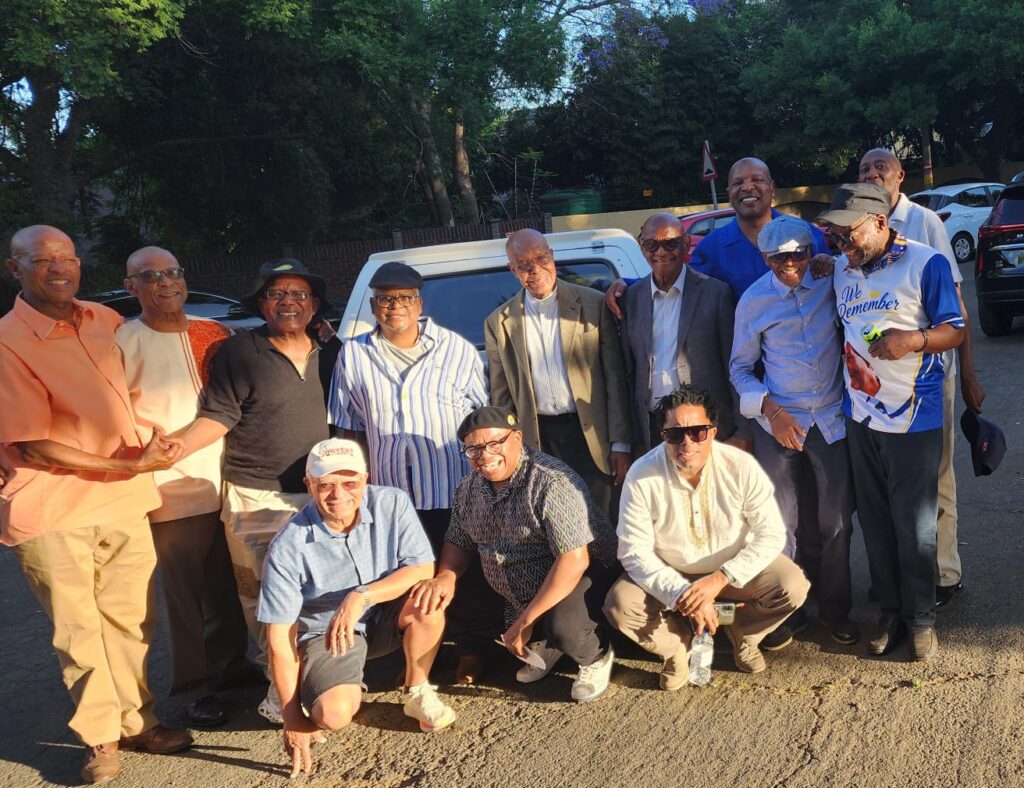
Then this second group came. One could easily conclude that they were the Second Generation from the Drum writers – 1950s to the 1970s for Drum, and this second generation ran from the 1960s to the 1980s.
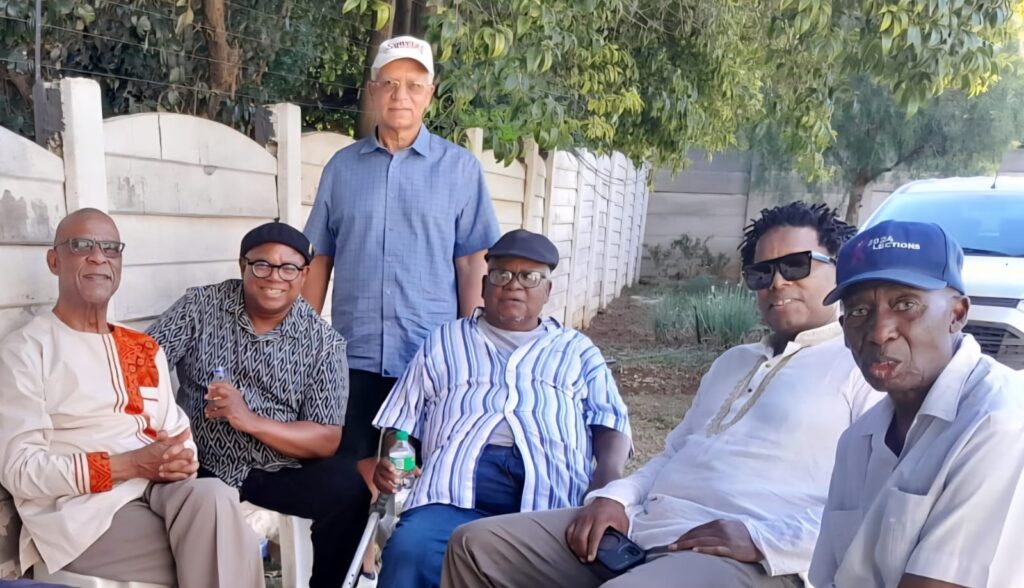
They were the men who made The World and then Sowetan. They worked under the worst conditions – under banning orders, under detention without trial, under an editor, Percy Qoboza, who was detained. They espoused a desire for Black pride and self-determination that has proved to be an elusive dream. They did not have Twitter. They had a typewriter and courage.
They wrote when writing could get you killed. They reported in townships where police shot first. They buried colleagues who died in the aftermath of June 16. And they kept writing.
And then, as we sat under that blue and white marquee, I saw that the baton had been passed. That is when the Third Generation rose. There was Jovial Rantao. Mzi Malunga. Zingisa Mkhuma. Musa Zondi. Tsebo Mokoena. Sandile Memela. Mpikeleni Duma. Mokgadi Pela. Ido Lekota, among others.
We are the children of Khulu and Thami and Joe. We stood on their shoulders. We went to university because they showed it was possible to be Black and write and not beg. We became editors because they showed that Black editors could stare down the security police and the white board.
For years, we have not met like this. We meet at funerals now. And we are always in a hurry.
But Marubini’s remembrance slowed us down. The Zion drums slowed us down. The testimonies slowed us down.
It was a soul-nourishing event that transformed a remembrance of the dead into a celebration of the living.
We came to say: Rest in peace, Marubini. We left saying: It is good that we, the living, are still alive, still together, still able to laugh.
Everyone who attended left feeling nourished at a spiritual and psychological level. Because we realized we are not just former journalists. We are a family. An extended family created not by blood but by byline, by banning orders, by sharing a bench at the back of a police van.
Mathata thought he was inviting us to remember his wife. In fact, he invited us to remember ourselves. And to strengthen these ties of byline brotherhood.
Makwande. May it grow.
SANDILE MEMELA IS A VETERAN SOUTH AFRICAN JOURNALIST, AUTHOR, CULTURAL CRITIC, AND FORMER GOVERNMENT SPOKESPERSON. HE WRITES IN HIS OWN CAPACITY.