A property development company that tried to enter business rescue a day before a liquidation hearing has lost its appeal against being wound up.
The KwaZulu-Natal High Court found that the company’s business rescue resolution was prohibited by law. Liquidation proceedings had already been initiated.
The ruling leaves Keystone Park CC in liquidation. The company owes Nedbank more than R169 million, according to the figures recorded in the judgment.
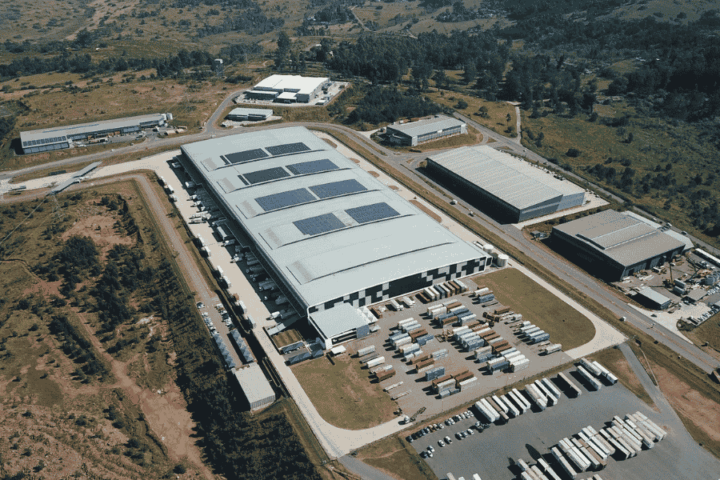
Keystone developed the Keystone Warehouse and Logistics Park near Hammersdale, alongside the N3 highway. The development covers about 20 hectares and includes premises occupied by Pepkor.
Nedbank financed the development through several loan agreements. The bank launched liquidation proceedings in March 2022 after the company fell into arrears.
The debt was initially calculated at about R238.4 million. It was reduced to approximately R169.9 million after part of the property was sold for R70 million.
Nedbank argued that Keystone could no longer meet its financial obligations. It also relied on defaults under the loan agreements and financial problems involving related companies.
A provisional winding-up order was granted on 11 November 2022. But on 10 November, the day before that hearing, Keystone adopted a resolution to place itself in business rescue.
The company argued that the resolution should have halted the liquidation proceedings. The court rejected that argument.
In a judgment delivered early this month, a full court found that liquidation proceedings had already been initiated when the application was served on Keystone in March 2022.
Section 129(2)(a) of the Companies Act prohibits a company from adopting a business rescue resolution after liquidation proceedings have been initiated against it.
The court found that Keystone’s resolution was therefore legally prohibited and could not validly commence business rescue.
It also rejected the argument that Nedbank had to bring a separate court application to set aside the resolution before the liquidation could proceed.
The judges found that requiring separate proceedings would serve no useful purpose.
Keystone and its associated trust also challenged the liquidation order. They argued that the development had substantial value and could still be rescued.
The appellants placed the development’s overall value at approximately R1.13 billion. They also valued a stockpile of crushed rock on the property at between R250 million and R350 million.
But the court found that the claimed value of the assets did not establish that Keystone could pay its debts.
The proposed funding arrangements had not materialised. The court also considered evidence about the development’s financial difficulties, including the loss of rental income and substantial claims by creditors.
Nedbank disputed the appellants’ valuations and questioned whether the proposed property transactions would generate the money they expected.
The judgment also records that the trustees sought to intervene in the liquidation proceedings shortly before the hearing to confirm the winding-up order.
Their application included a request to extend the proceedings and give the liquidators additional powers to complete property transactions.
The court found no sufficient legal basis to grant the relief they sought. It also criticised the way the proceedings had been conducted. The judges found that the cumulative effect of the conduct surrounding the business rescue resolution and subsequent litigation raised concerns about the use of court processes.
The court dismissed the appeals against the liquidation order and the refusal to allow the trustees to intervene.
Keystone and the trustees were ordered to pay the costs of the appeals and the applications for leave to appeal. The costs include those of two counsel where employed, on the attorney-and-client scale.
The judgment does not establish that the development itself was worthless. It establishes that the company could not rely on the disputed business rescue resolution to stop liquidation proceedings that had already been initiated.