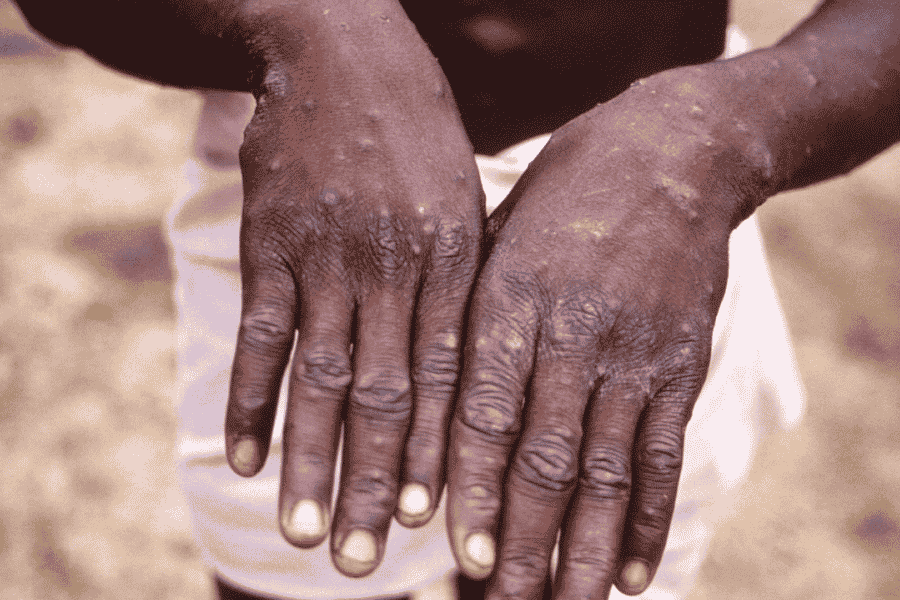
South Africa’s mpox outbreak has spread to five provinces, with 26 laboratory-confirmed cases recorded since the start of 2026, the National Department of Health confirmed on Sunday.
The department reported four new cases on Sunday, pushing the national tally from 22 to 26 in less than a week, as health officials scramble to trace contacts and contain transmission.
The Western Cape remains the epicentre of the outbreak with 18 confirmed cases, including 16 linked to local transmission and two involving foreign nationals visiting the country. Gauteng has recorded three cases, while the Eastern Cape and Free State have two cases each. KwaZulu-Natal has one confirmed case.
Of the 26 patients, 25 are male, aged between 23 and 50. Where clade data is available, 13 cases are linked to Clade Ib, which is driving transmission in several African countries, and four to Clade IIb.
In the Eastern Cape, health authorities confirmed two patients in the Sarah Baartman district – a 36-year-old man from Ndlambe and a 26-year-old man from Makhanda.
Provincial health spokesperson Siyanda Manana said both patients were stable and self-isolating.
“The patients are stable and self-isolating. We have traced close contacts and are monitoring them for symptoms,” Manana said. “At this stage, none of the contacts have developed symptoms.”
The province is also working to secure vaccines for eligible close contacts.
The spread across five provinces has raised concerns about undetected transmission chains and whether new infections are linked to existing clusters. The Department of Health has not yet confirmed how many separate chains are active.
National Department of Health spokesperson Foster Mohale said the department was concerned that stigma could prevent people from seeking care, which would further complicate contact tracing.
“Once you start discriminating, stigmatising them, now you are making it difficult even for those who display or experience signs and symptoms to come forward,” Mohale warned.
Mpox is a viral infection transmitted primarily through close physical contact with an infected person, including direct contact with skin lesions, as well as through contaminated bedding, clothing and towels. Symptoms include fever, headache, muscle aches, swollen lymph nodes, fatigue and a rash or sores.
The Department of Health has advised anyone who has been in close contact with a confirmed or suspected case to notify healthcare workers and self-monitor for symptoms for 21 days.
“Should symptoms develop, they should avoid close contact with others and seek medical attention,” the department advised.
Health authorities are continuing surveillance and contact tracing while assessing vaccine availability for high-risk close contacts. The department has not indicated whether the current rise reflects linked outbreaks or separate introductions of the virus.
The outbreak comes as South Africa grapples with heightened surveillance for Clade Ib, which the World Health Organization has flagged as more transmissible through close contact networks.
The Department of Health has urged the public to avoid close physical contact with anyone showing symptoms and to seek immediate medical attention if symptoms develop, stressing that early detection is critical to limiting further spread.