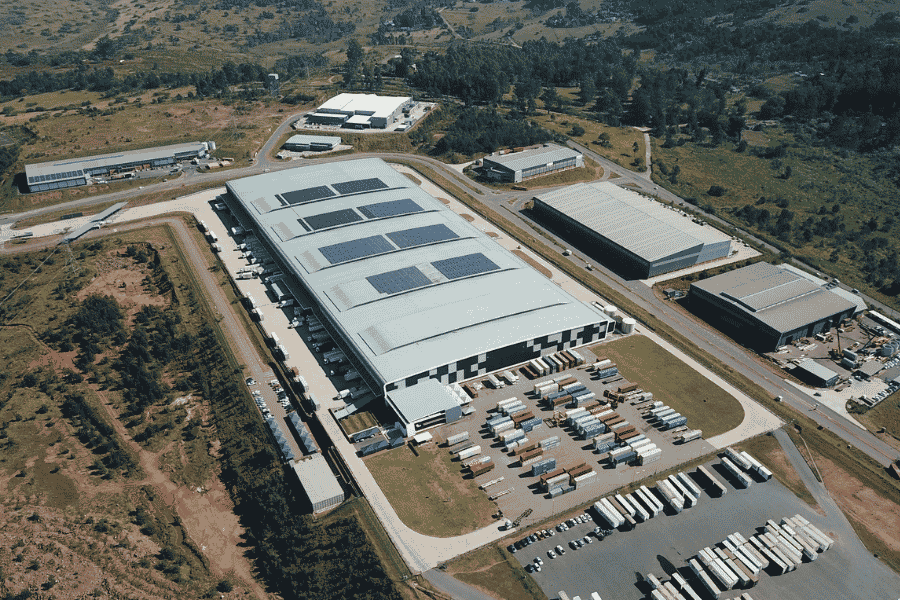
A property developer behind the Keystone Warehouse and Logistics Park near Hammarsdale has lost its latest attempt to overturn its liquidation.
This after a full bench of the KwaZulu-Natal High Court found that its conduct and that of the Keystone Trust’s trustees amounted to an abuse of the court process.
The court dismissed appeals by Keystone Park CC and the trustees on 16 October, upholding the final liquidation order and imposing punitive legal costs.
The judges found that the appellants had relied on an unlawful business-rescue resolution, pursued relief their own counsel ultimately conceded could not legally be granted, and conducted proceedings in a way that obscured rather than clarified the issues.
The litigation generated a record of 1,719 pages.
“When viewed cumulatively, this conduct goes beyond the mere pursuit of an unsuccessful case. It constitutes an abuse of the court’s process and warrants a punitive costs order against the appellants,” the judgment reads.
At the centre of the dispute is Roderick Robert Stainton, who controlled Keystone and the Rokwil group of companies involved in the development.
Nedbank launched liquidation proceedings against Keystone in March 2022 after the company fell behind on its loan obligations.
The bank’s claims initially stood at about R238.4 million. Following the sale of part of the property to Dromex CC for R70 million, the debt had fallen to approximately R169.9 million by 22 February 2022.
Keystone developed the logistics park adjacent to the N3 highway. The development includes premises occupied by Pepkor, one of its tenants.
The court found that Keystone was commercially insolvent and unable to pay its debts as they fell due. It also rejected the appellants’ attempt to use a business-rescue resolution to derail the liquidation proceedings.
On 10 November 2022, the day before Nedbank’s liquidation application was heard, Stainton adopted a resolution purporting to place Keystone in business rescue.
The judges found that the resolution was prohibited by section 129(2)(a) of the Companies Act because liquidation proceedings had already been initiated against the company.
Nedbank had served its liquidation application in March 2022, months before the resolution was adopted.
The court said Stainton “ought reasonably to have known” that the resolution was prohibited.
It found the resolution was invalid from the outset and could not be used to prevent the liquidation from proceeding.
The judges also rejected the argument that Nedbank had to bring a separate application to set aside the resolution before the court could deal with the liquidation.
They found that such a step would serve no useful purpose because the resolution had been adopted in circumstances in which the law expressly prohibited it.
The court also examined the Keystone Trust trustees’ attempt to intervene in the liquidation proceedings.
The trustees sought an adjournment and additional powers for the provisional liquidators, arguing that the development should be allowed to trade out of insolvency.
Their application was supported by an affidavit of about 200 pages, delivered on the morning of the hearing of the final liquidation application.
The judges noted that the provisional liquidation order had been granted almost a year earlier and that the matters relied on by the trustees were not new.
At the appeal hearing, counsel for Keystone and the trust conceded that the proposed order granting extensive additional powers to the liquidators, allowing Keystone effectively to trade out of its financial difficulties, could not legally be granted.
The court found that the trustees had no competent substantive relief to pursue and upheld the refusal to allow them to intervene.
It also found that Stainton had petitioned the Supreme Court of Appeal on Keystone’s behalf in circumstances where the trust deed precluded him from doing so because of his sequestration.
The judges said the separate capacities of the companies and individuals involved had been deployed in a manner that obscured the issues.
“The manner in which the proceedings were conducted gives the distinct impression that the separate capacities of the entities and individuals involved were deployed in a manner that obscured, rather than clarified, the issues requiring determination,” the judgment reads.
Keystone argued that it had sufficient assets to cover its debts and that the development remained commercially viable.
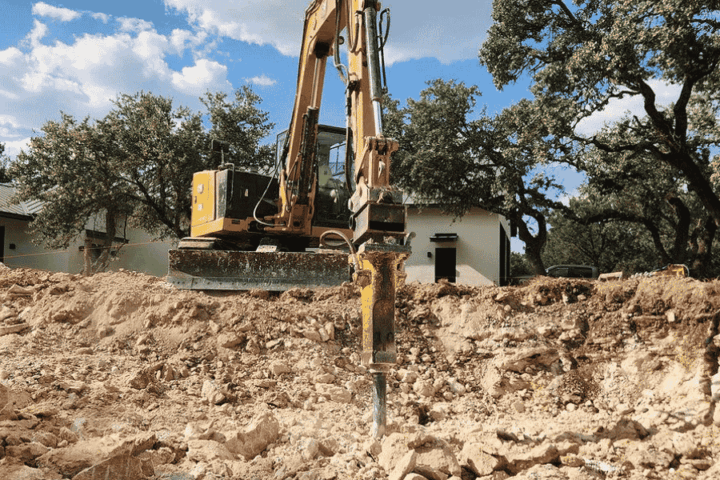
It valued the development at approximately R1.134 billion and estimated that a stockpile of crushed rock on the site was worth between R250 million and R350 million.
It also claimed to have secured €28 million in funding from Deutsche Bank.
The lower court had found that the rock valuation was not adequately supported by evidence and that the proposed Deutsche Bank funding had not materialised.
The appeal judges agreed that the central question was not whether Keystone’s assets exceeded its liabilities, but whether it could pay its debts as they fell due.
The court found that Keystone had not established a genuine dispute about its indebtedness to Nedbank or demonstrated that the final liquidation order should be overturned.
The judges also considered the wider financial pressure on the development.
Nedbank told the court that the combined claims of Nedbank, Pepkor and Morgado Plant Hire exceeded R460 million.
Nedbank alleged that Pepkor had a claim of approximately R275 million arising from defects in the foundation slab at its premises. In separate sequestration proceedings, Stainton had put the claim at between R200 million and R300 million.
The judgment records these figures as claims and allegations raised in the proceedings; they should not be read as findings that every amount was finally proved.
The court also noted that the termination of a lease by Bulk Connections in December 2022 had reduced Keystone’s rental income by approximately R6.52 million a month, according to Nedbank.
The judges concluded that the appellants’ conduct went beyond simply pursuing an unsuccessful case.
They said the unlawful business-rescue resolution, the attempt to pursue legally incompetent relief and the way the litigation had unfolded had prolonged proceedings and burdened the court with an extensive record.
The court dismissed both appeals and ordered Keystone and the trustees to pay the costs of the appeals and related applications on the attorney-and-client scale, including the costs of two counsel where employed.
Keystone was separately ordered to pay the costs of its application for leave to appeal to the Supreme Court of Appeal.
The ruling leaves the final liquidation order in place.