In less than 15 days, South Africans will head to the polls to elect ward councillors in the local government elections. These elections matter because they speak directly to service delivery, governance and accountability at grassroots level.
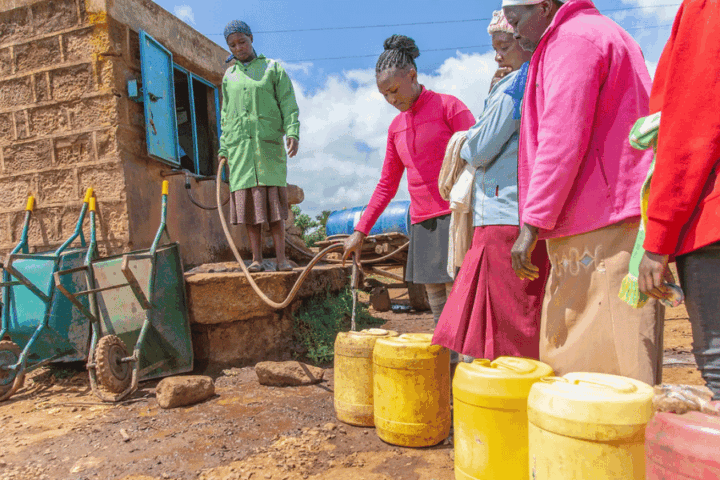
Local government is where everything happens. It is the sphere closest to the people, where the daily struggles of ordinary South Africans are most visible and deeply felt. It is where communities raise concerns about the lack of clean running water, deteriorating roads, inadequate sanitation, unreliable electricity, poor waste management and other critical service delivery failures.
For many, however, local government has become a source of disappointment and disillusionment. There is growing dissatisfaction with the direction many municipalities have taken, particularly their failure to fulfil their constitutional mandate to provide basic services and improve the quality of life of communities.
There is also a growing perception that some councillors have turned municipalities into personal fiefdoms, where political power, personal interests and patronage networks take precedence over the needs of residents.
This raises a fundamental question: Do we still need ward councillors, and if so, what should their responsibilities be?
Ward councillors are meant to be the critical link between communities and municipal administrations. They are elected to represent residents, communicate community concerns, facilitate public participation and ensure municipalities remain responsive and accountable.
Yet one has to ask whether some councillors fully understand the responsibility entrusted to them. Have they become champions of community development, or have they reduced their positions to instruments of political influence, personal enrichment and the advancement of narrow interests?
Over the years we have witnessed widespread allegations of corruption, maladministration, financial mismanagement and political interference in municipalities across the country. These challenges have severely undermined public confidence in local government.
In some municipalities, senior officials, including municipal managers, have become entangled in lengthy legal battles over corruption, irregular procurement and other governance failures. While those accused must be afforded the presumption of innocence, the frequency of such controversies raises serious concerns about accountability and ethical leadership.
The unfortunate reality is that while political office-bearers and officials engage in endless disputes, ordinary residents bear the consequences of dysfunction. Communities remain without reliable water, roads deteriorate, infrastructure projects remain incomplete, and campaign promises are forgotten once power is secured.
The forthcoming elections should therefore not merely be about filling council seats. They should be about restoring confidence, strengthening accountability and reclaiming municipalities as institutions that serve the people, not a privileged few.
South Africans must ask difficult questions about the calibre of leadership they elect, the responsibilities of ward councillors and the mechanisms to hold representatives accountable between elections.
Democracy should not begin and end at the ballot box. It must find expression in service delivery, transparent governance, ethical leadership and the continuous involvement of communities in decisions that affect their lives.
In his address at the launch of the White Paper on Local Government, President Cyril Ramaphosa made a frank admission about the state of municipalities.
“We must therefore acknowledge without qualification that too many of our municipalities are failing to meet the needs and expectations of the people they are meant to serve.”
He further acknowledged that many communities have grown accustomed to unreliable services, deteriorating infrastructure and unresponsive administrations.
Perhaps this acknowledgement is an important step towards confronting systemic failures. However, acknowledging a problem and taking decisive action to address it are two different things.
Whether it is the perceived neglect of poor communities in the City of Cape Town, persistent water challenges in Tshwane, the collapse of governance in Thabazimbi, or the continued placement of struggling municipalities under administration, one thing is clear: the deterioration of local government cannot continue unabated.
Municipalities are supposed to be at the coalface of service delivery. Yet for too many South Africans, local government has become synonymous with broken promises, poor accountability, political instability and administrative failure.
Ordinary South Africans, myself included, are gatvol of continuous neglect, endless explanations and promises that seldom translate into meaningful improvements.
I sincerely hope that President Ramaphosa’s words at the launch of the White Paper, together with his earlier national address – his “family meeting” – on municipal responsibilities, will mark the beginning of genuine institutional reform.
We cannot afford another cycle of impressive speeches, ambitious policy documents and commitments that never see the light of day.
To borrow a nostalgic comparison, I hope the President’s pronouncements will not become like a Michael Jackson poster from Pace magazine – something admired and displayed on walls, but never translated into action.
South Africans do not need another political poster. They need functioning municipalities, clean water, maintained roads, reliable infrastructure and representatives who understand that serving communities is a responsibility, not a privilege.
The central question remains: Are ward councillors still the voice of the people, or have some become part of the very problems they were elected to solve?
The R5.9 billion that National Treasury projects will be spent on councillors’ remuneration in the 2026/27 financial year should translate into meaningful service delivery and tangible improvements in people’s lives.
One hopes the recently presented White Paper on Local Government will not become another policy document whose noble intentions gather dust, but will instead be implemented to the letter.
Our people want functioning streetlights, reliable water, properly maintained roads and municipalities that attract investment rather than drive it away, as we have witnessed in parts of the North West.
As we approach the local government elections, an important national debate must be encouraged: Do we still need the current system of councillors, or should we explore alternative models of local governance?
We cannot continue sustaining an expensive system that, in too many instances, produces little return for the communities it is meant to serve. Local government should be about more than ceremonial ribbon-cutting, political positions and titles. It must be about accountability, development and measurable improvements in people’s lives.
The fundamental question is whether South Africans are getting value for the billions spent on political representation at municipal level.
Democracy must not only be measured by the number of elected representatives, but by the quality of services delivered to the people who elect them.
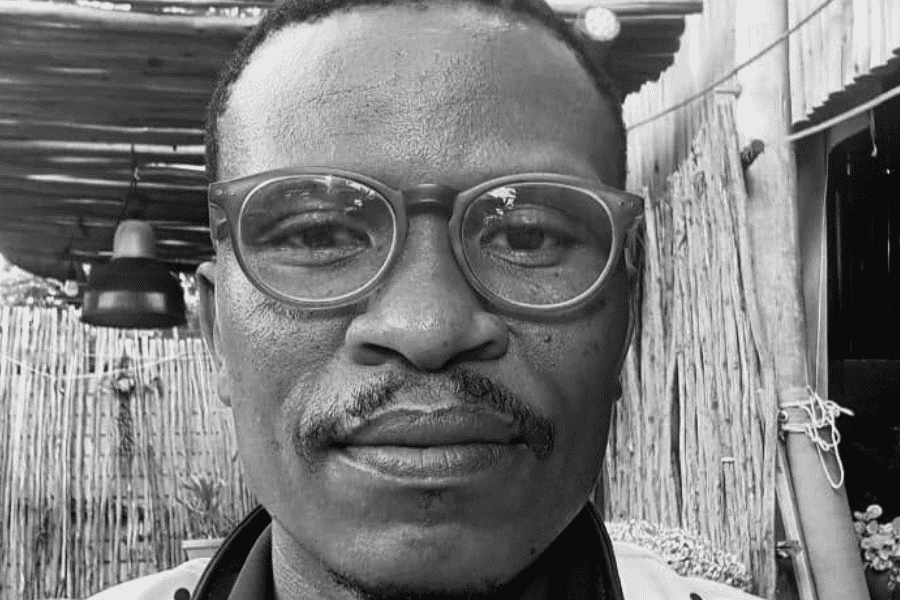
THABISO TEFFO IS A CIVIL SERVANT, HE WRITES IN HIS OWN CAPACITY.