South Africa has closed the chapter on one-party government for good.
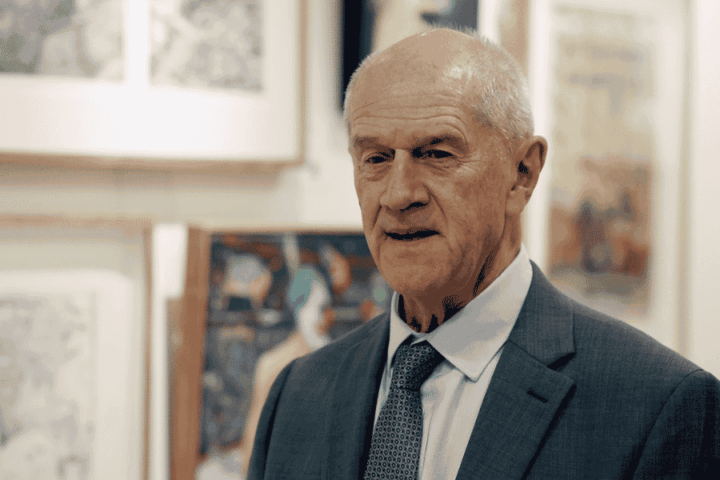
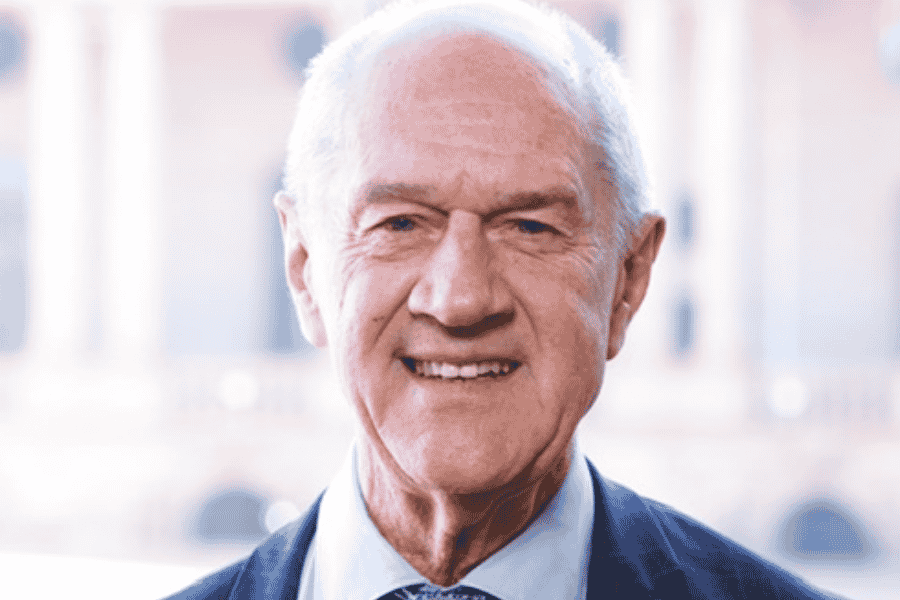
That was the stark message from Roelf Meyer, South Africa’s new ambassador to Washington, as he launched his political memoir in Johannesburg on Monday.
In his book, Meyer reveals that South Africa will never again be ruled by one party alone and that coalitions are the future.
It is a striking statement from someone who once served that very system. Meyer grew up in Afrikaner nationalism, climbed the National Party ladder in the 1980s, and became its lead negotiator when apartheid was unravelling.
More than three decades later, with the ANC having lost its outright majority in 2024 and forced into a Government of National Unity (GNU) Meyer says coalition politics is not a temporary setback. It is permanent.
“South Africa is unlikely to return to a government that is led by a single party,” he said.
He said the country’s peaceful transition survived because leaders managed to keep the centre intact. That achievement, he argued, was only possible because of figures like Nelson Mandela and FW de Klerk who absorbed enormous pressure but kept talking.
“That success was part of the ultimate sobering effect that led us to make that transition in a peaceful way,” Meyer said.
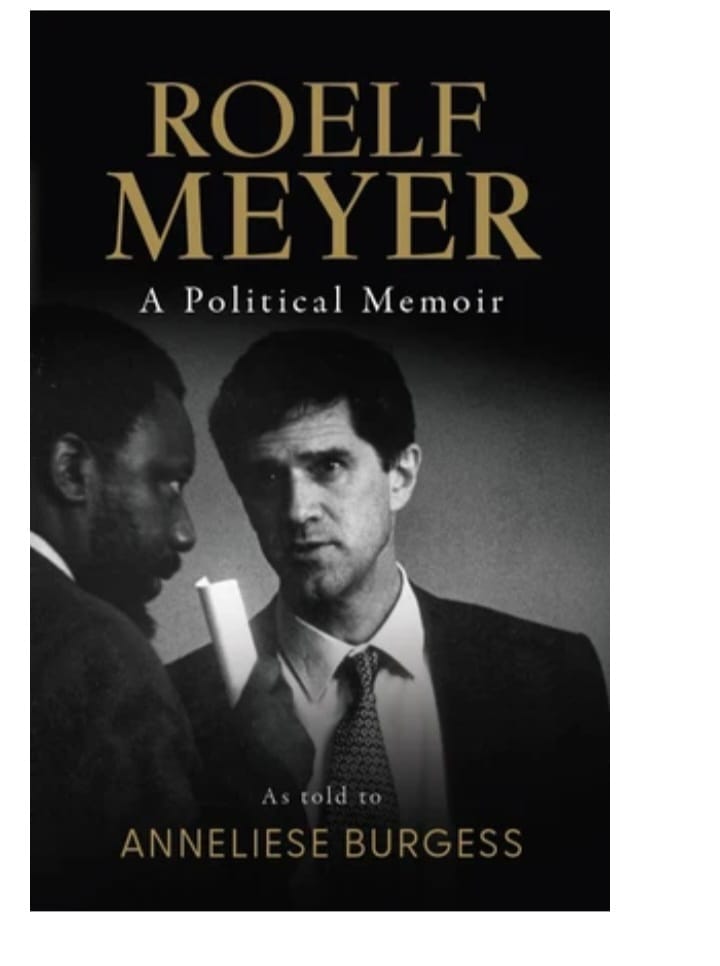
His book, Roelf Meyer: A Political Memoir, goes beyond personal history. Meyer offers a frank, insider look at how close South Africa came to collapse, and the unlikely relationship that helped save it.
At the heart of the memoir is his secret backchannel with Cyril Ramaphosa. At the time, Meyer was the NP’s chief negotiator and a former deputy minister of Law and Order.
Ramaphosa was the ANC’s tough, chief negotiator. On paper they were opponents. In practice they built a private line of trust that became known simply as “the channel.”
Meyer writes that the channel became critical in June 1992, when the Boipatong massacre killed 45 people and negotiations almost fell apart completely. Their quiet conversations, he says, kept the process alive.
The book traces Meyer’s own transformation. Working as a lawyer and seeing first-hand the cruelty of apartheid legislation and the living conditions of black South Africans forced him to question the ideology he was raised in.
He describes confronting inherited prejudice and learning to negotiate with people he had been taught to see as irreconcilable enemies.
Those lessons, he writes, later shaped his international mediation work in Northern Ireland, Rwanda and Kosovo.
Meyer also used the launch to send a pointed message about his new posting. Appointed ambassador to the United States at a moment when relations between Pretoria and Washington are strained, he warned that the world is in a period of American disruption and South Africa will not win over Washington by making the dispute personal.
It was a clear caution to his own government against turning foreign policy into a clash of personalities.
For South African politics, his central argument is that the 2024 election was not an anomaly but a turning point. The skills that saved the country in the early 1990s – building trust across deep divides and protecting the middle ground – are now needed again.
His memoir is being sold as a candid account of the backrooms, personalities and tensions that forged democracy. The book tells a personal story of breaking with prejudice, but its political punch is aimed at the present.
One-party rule, Meyer insists, is over.