Residents of Olievenhoutbosch in Centurion have taken to the streets demanding tougher action against undocumented migrants, adding another flashpoint to South Africa’s increasingly volatile national debate over immigration.
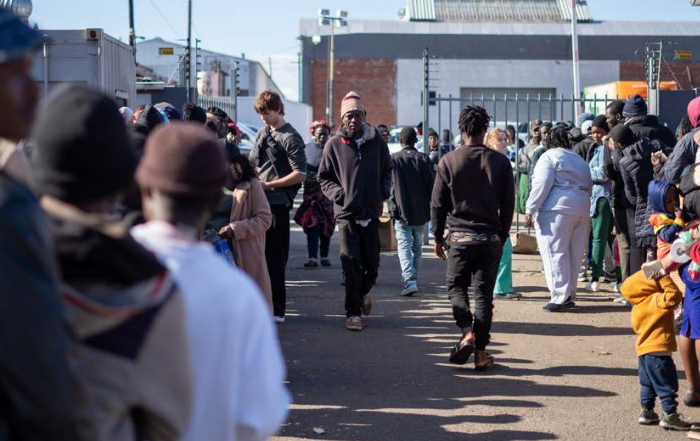
Residents marched to the local police station on Monday, 7 September 2026 to hand over a memorandum of grievances and demand action against people they believe are living in the area without legal documentation. Protesters have raised concerns ranging from the alleged occupation of RDP houses to crime and drug-related activity.
The protest comes against a backdrop of growing anti-migrant mobilisation in communities across South Africa, where frustrations over unemployment, crime, housing and service delivery are increasingly being directed at foreign nationals.
The developments in Olievenhoutbosch are particularly significant because they follow closely behind the confrontation in Durban last week involving refugees and members of the March and March movement outside the Home Affairs Refugee Reception Office on Che Guevara Road.
Hundreds of foreign nationals have been living outside the Durban office after fleeing communities. The situation escalated into violence when tensions between March and March and foreign nationals erupted, requiring police intervention.
The Durban crisis exposed an increasingly important distinction in South Africa’s migration debate: the difference between undocumented migration, which the state is entitled to regulate and enforce under immigration law, and foreign nationals who are legally documented.
That distinction is now becoming central to the national debate.
Residents in Olievenhoutbosch are specifically calling for action against undocumented migrants, but the protest raises broader questions about how immigration enforcement should be carried out and who has the authority to determine whether a person is legally in the country.
Government has repeatedly maintained that immigration enforcement is the responsibility of the state and that individuals and community groups cannot take the law into their own hands.
The Inter-Ministerial Committee on Migration has previously warned that members of the public do not have the authority to conduct immigration checks, demand identity documents or forcibly remove people from communities.
Earlier this year, residents in Daveyton also marched against undocumented foreign nationals and called for tougher enforcement of immigration laws.
Following the violence around the refugee camp, government has been under pressure to explain how it intends to enforce immigration laws while also protecting people who are legally entitled to be in South Africa.
The Olievenhoutbosch protest now raises similar questions in Gauteng.
Police will have to determine whether allegations raised by residents involve identifiable criminal activity, immigration violations or other municipal concerns. Those issues require investigation by the appropriate authorities rather than collective action against people based on nationality or assumptions about their immigration status.
For residents, however, the protest reflects growing frustration and a belief that government has failed to respond adequately to concerns about immigration enforcement.
The challenge for the state is to respond to those concerns without allowing communities to assume the powers of immigration officials or law-enforcement agencies.
With protests against undocumented migration now emerging in multiple parts of the country, the Olievenhoutbosch demonstration may be more than an isolated community dispute.
It could be another indication that migration is becoming an increasingly combustible political and social issue ahead of South Africa’s elections.
The test for government will be whether it can enforce immigration laws decisively while preventing legitimate concerns about documentation from developing into collective hostility against foreign nationals more broadly.