Two Free State municipalities account for R534 million of the R1.79 billion in outstanding pension fund contributions owed by municipalities across South Africa, putting the spotlight on the financial decisions that threaten workers’ retirement security.
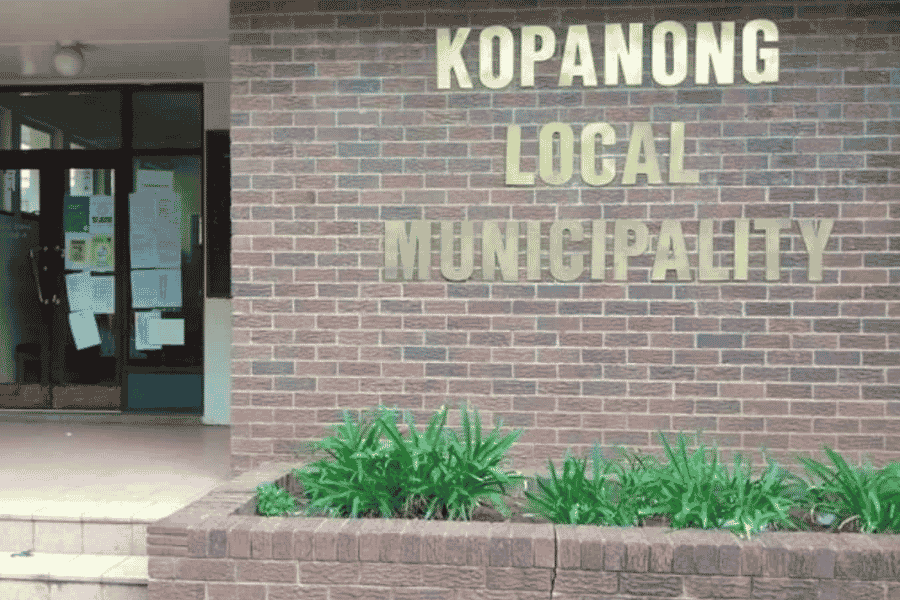
Kopanong Local Municipality owes R378 million, while neighbouring Masilonyana Local Municipality owes R156 million, according to figures presented to Parliament’s Standing Committee on Finance.
The two municipalities together account for almost 30% of the outstanding national total.
About 19 municipalities owe the money, with the Free State and North West collectively accounting for 79.4% of the debt, Parliament reported on 9 October.
The figures raise questions about how municipal administrations have allowed pension obligations to accumulate, how long the contributions have remained unpaid and what consequences officials have faced.
They also expose a problem that extends beyond municipal balance sheets: pension contributions are intended to help secure workers’ retirement, and delays in paying them can have consequences for the employees concerned.
However, the aggregate figures do not establish whether all the outstanding amounts were deducted from employees’ salaries, how much remains outstanding for each financial year or whether workers have already suffered losses to their benefits.
Those details are central to determining the full extent of the problem.
The Standing Committee on Finance has called for explanations from the affected municipalities and the government departments responsible for overseeing local government finances.
Committee chairperson Joe Maswanganyi said he would write to the ministers of Finance and Cooperative Governance and Traditional Affairs to establish what measures were being taken to resolve the outstanding contributions.
The committee also intends to work with Parliament’s Legal Services to write to the municipalities, requiring them to explain their plans to settle the debt and the consequence-management measures being taken against those responsible.
Maswanganyi proposed convening a meeting at which the affected municipalities would account directly to Parliament.
The committee also plans to engage organised labour early next year to explore possible interventions.
These steps could establish whether the municipalities have credible repayment plans, whether pension funds are pursuing the outstanding amounts and whether officials have been held accountable.
But the proposed interventions do not, on their own, demonstrate that the debt is being recovered.
The national figure conceals important differences between municipalities.
Without a complete breakdown, it is not possible to determine how much of the debt accumulated recently, how much has remained unpaid for years or which municipalities have made meaningful progress towards settling their obligations.
The same information is needed to establish whether the arrears reflect financial distress, poor financial management, deliberate non-payment or a combination of factors.
Africa Daily is seeking the full list of the 19 municipalities, the amounts owed by each, the periods covered and the names of the pension funds affected.
This publication has also requested information on whether the outstanding contributions include money deducted from employees but not transferred to pension funds, and whether any employees’ benefits have been affected.
Kopanong and Masilonyana have been asked to explain how their respective liabilities accumulated, whether they have entered into repayment arrangements and what measures they are taking to prevent further arrears.
The National Treasury and the Department of Cooperative Governance and Traditional Affairs have also been asked what interventions are available when municipalities fail to meet their pension obligations.
With local government elections approaching, the pension debt provides another measure against which municipal administrations can be assessed.
Municipalities are responsible not only for delivering services to residents but also for managing their finances and meeting their obligations to employees.
The outstanding contributions raise a straightforward question: if municipalities cannot consistently meet their pension obligations, what assurance do workers have that their retirement interests are being protected?
The answer requires more than promises to settle the debt. It requires a municipality-by-municipality account of the money owed, the action taken to recover it and the consequences for officials responsible for allowing the arrears to accumulate.