South Africa
SA unemployment climbs to 33.7% as joblessness worsens
South Africa's official unemployment rate rose to 33.7% in the third quarter of 2026, Statistics South Africa's latest Quarterly Labour Force Survey shows.
2 min read
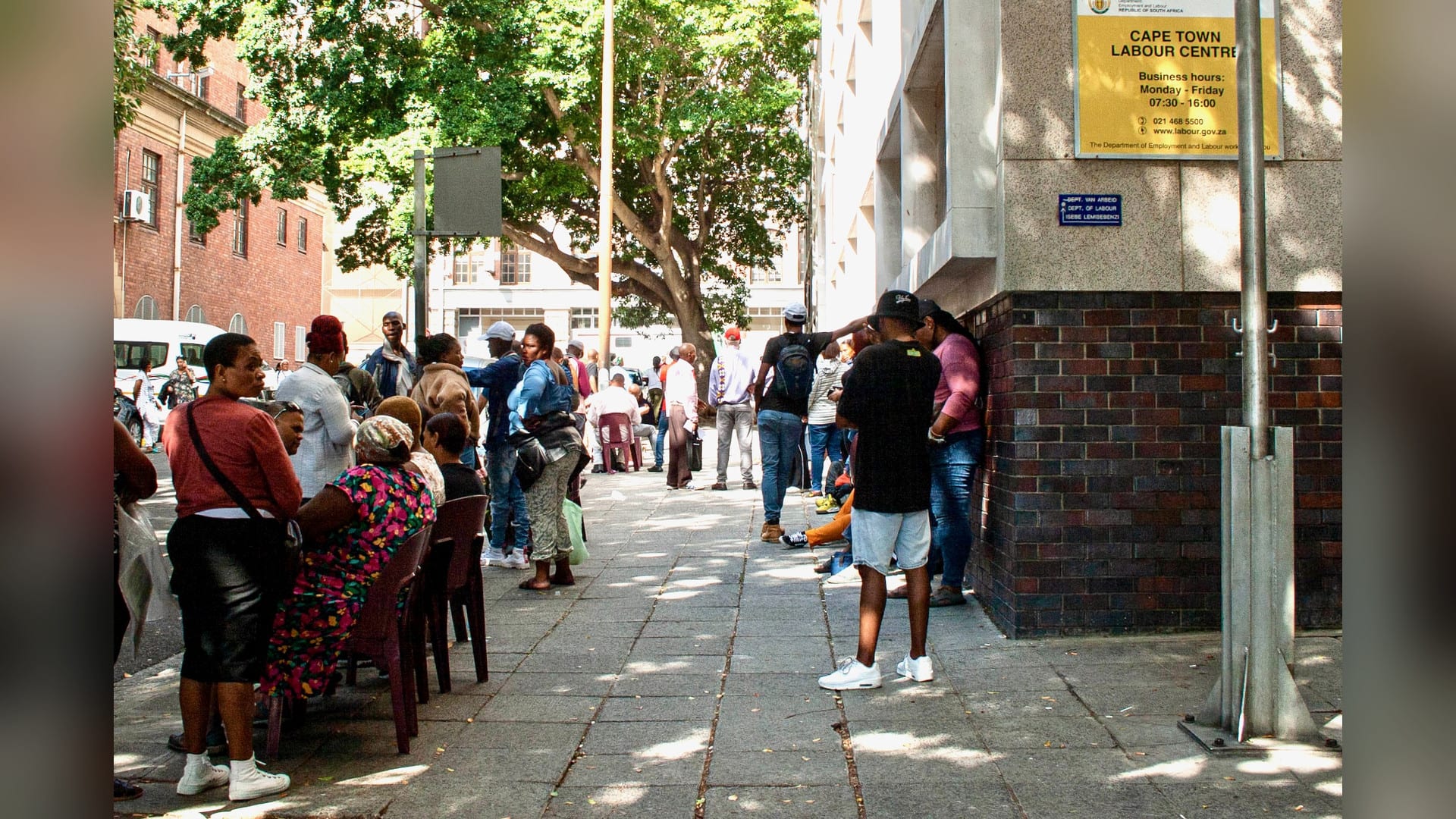
South Africa's unemployment crisis has deepened, with the official jobless rate climbing to 33.7% in the third quarter of 2026 as the number of people entering the labour market outpaced employment creation.
Statistics South Africa's latest Quarterly Labour Force Survey, published on Tuesday 10 November, revealed that the country added 101,000 jobs during the quarter, taking total employment to 16.8 million.
However, the number of unemployed people also increased by 97,000 to 8.6 million, reflecting the continued difficulty in creating enough jobs to accommodate the growing workforce.
The labour force expanded by 198,000 people, pushing the unemployment rate up from 33.6% recorded in the previous quarter.
This means that more than one in every three people participating in the labour market could not find work.
The formal economy was the main source of employment growth, adding 268,000 jobs to reach 12.3 million employed people.
However, the gains were undermined by job losses in the informal economy and household sector, which shed 98,000 and 68,000 jobs respectively.
Finance, manufacturing and mining were among the industries that recorded employment growth.
In contrast, private households experienced the biggest decline in employment, followed by agriculture and construction.
At provincial level, the Western Cape, North West, Eastern Cape and Gauteng recorded increases in employment.
The Free State and Mpumalanga were among the provinces that experienced a decline in the number of employed people.
Young people continued to bear a disproportionate share of the unemployment burden, with the jobless rate among those aged between 15 and 34 standing at 47.3%.
Although this represented a marginal decline of 0.1 percentage points, approximately five million young people remained unemployed.
The slight improvement in the youth unemployment rate was not accompanied by job creation, as the number of employed young people actually decreased by 5,000.
Meanwhile, youth unemployment declined by 23,000 during the quarter.
The survey also highlighted an increase in the number of discouraged work seekers, with 70,000 more people giving up their search for employment.
These are individuals who are available to work but have stopped looking for jobs because they believe there are insufficient employment opportunities.
Because they are no longer actively searching for work, discouraged job seekers are not included in the official unemployment rate.
The latest figures paint a picture of a labour market still struggling to generate sufficient employment, despite gains in certain industries and the formal sector.
Related stories


South Africa
Youth representation and service delivery feature among voters' concerns
By Justine Dumont
More on unemployment
All unemployment storiesSouth Africa
Voters call for better service delivery, job creation and a brighter future
By Justine Dumont
Politics
Parties mixed on Godongwana’s mid-term budget as fuel relief fails to cool anger over growth, jobs
By Justine Dumont
Latest from Africa Daily
Today's top stories- ANC Joburg says it learnt of Thuthukile Zuma's resignation on social media
- BMA intercepts 18 vehicles worth estimated R10m at Beitbridge through new targeting system
- DA, Helen Zille reject Malema's apology demands: 'See you in court'
- Knives out for Ramaphosa after salary hikes for political elite
- NAC's R65m scandal: CFO cannot explain who authorised the transfers