Politics
Knives out for Ramaphosa after salary hikes for political elite
President Cyril Ramaphosa is facing mounting pressure from within the labour movement and the broader liberation movement, with union federations accusing him of being out of touch with the suffering of ordinary South Africans after he approved salary increases for public office-bearers.
3 min read
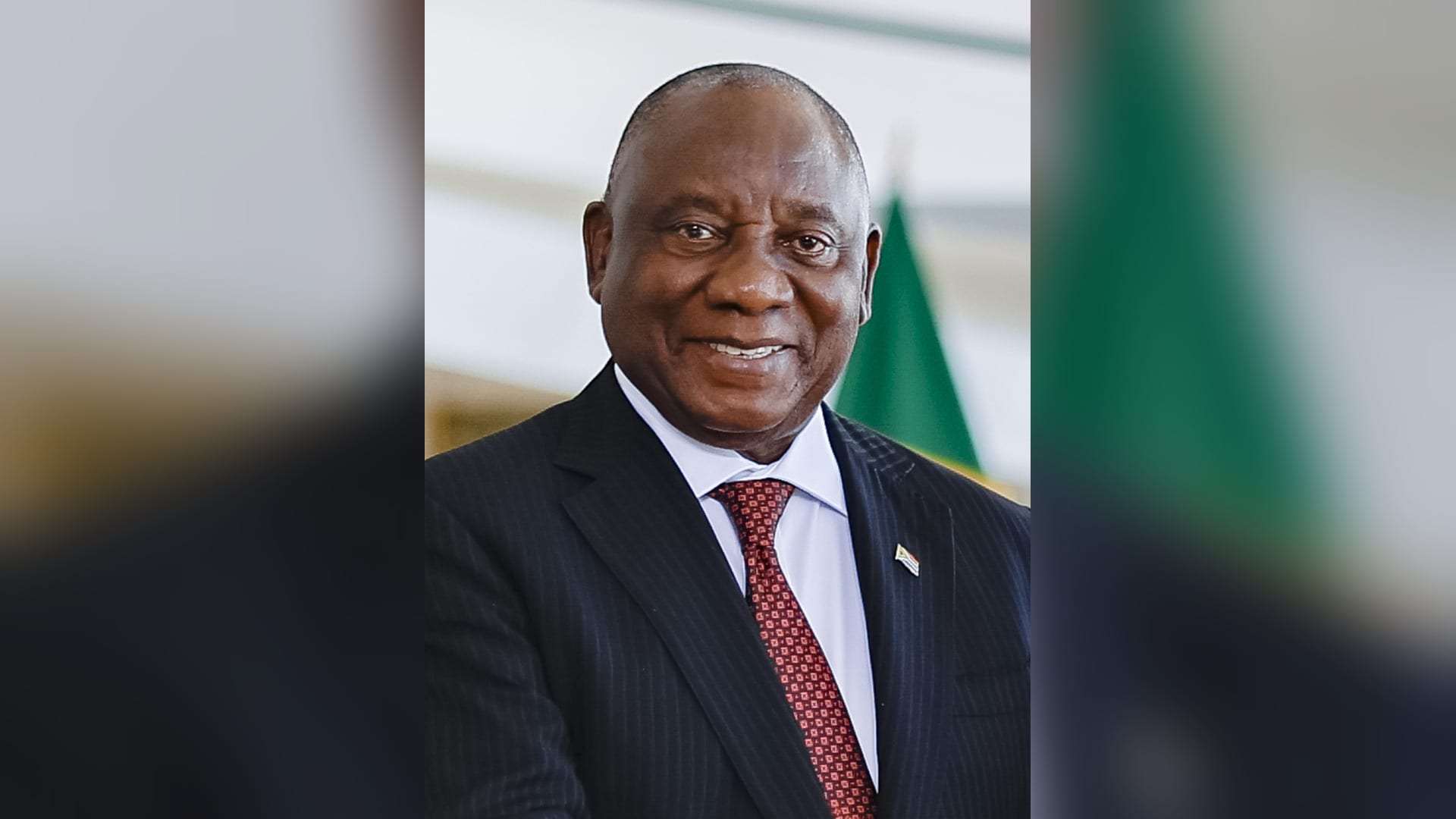
President Cyril Ramaphosa is facing mounting pressure from within the labour movement and the broader liberation movement, with union federations accusing him of being out of touch with the suffering of ordinary South Africans after he approved salary increases for public office-bearers.
The latest backlash follows Ramaphosa's decision to approve increases of 3.5% and 4% for public office-bearers for the 2026-27 financial year, effective from 1 April 2026.
He approved a 3.5% increase for the national executive, members of Parliament (MPs), premiers, MECs and provincial legislators, and 4% for judges, magistrates, traditional leaders and institutions supporting democracy.
The increases follow recommendations by the Independent Commission for the Remuneration of Public Office-Bearers.
But for the National Education, Health and Allied Workers' Union (NEHAWU) and the South African Federation of Trade Unions (SAFTU), the decision has become a lightning rod for growing anger over Ramaphosa's leadership, austerity and what they describe as a presidency detached from the realities of the working class.
NEHAWU on Tuesday condemned the decision, describing it as completely unprincipled and insensitive to the harsh socio-economic realities confronting the overwhelming majority of South Africans, particularly workers and the working class.
"We find this decision completely unprincipled and insensitive to the harsh socio-economic realities confronting the overwhelming majority of South Africans, particularly workers and the working class," NEHAWU said.
"Our people continue to grapple with high unemployment, poverty, inequality and the rising cost of living, the approval of these salary increases sends a deeply troubling message about the priorities of those entrusted with public leadership."
For NEHAWU, the salary increases cannot be separated from the broader economic trajectory under Ramaphosa.
The union said the decision occurs against the background of an economy that remains stagnant with a low growth rate for the foreseeable future.
"This is largely as a result of the dogmatic pursuance and implementation of neo-liberal macroeconomic policies centred on austerity measures. These policies have been reproducing the prevailing crisis-levels in the rates of unemployment, poverty and inequality," NEHAWU said.
"The implementation of austerity measures has had a devastating impact on the capacity and capability of the state to fulfil its constitutional obligations, particularly its responsibility to provide quality public services to the working class and the rural poor."
NEHAWU said the public service has been systematically weakened through years of budget cuts, the freezing and non-filling of critical vacancies, understaffing and the erosion of institutional capacity.
Consequently, workers in the public service are expected to deliver essential services under increasingly difficult conditions, often without the necessary human and material resources.
"It is therefore unacceptable that public office-bearers should receive salary increases while public servants continue to face difficult working conditions, inadequate staffing levels and persistent challenges relating to remuneration and the delivery of public services," the union said.
"Public office-bearers should not be exempted from the conditions and plight that confronts the rest of the country."
NEHAWU called on Ramaphosa to reconsider his decision and for government to focus its priority towards addressing the pressing socio-economic challenges facing the country.
"The current crisis of unemployment, poverty and inequality has brought about miseries, pains and suffocation to workers and the working class in its entirety thereby threatening their livelihoods," NEHAWU said.
SAFTU was even more scathing, describing the decision as indefensible at a time when millions are battling unemployment and poverty.
"This decision is indefensible in a country where, in the second quarter of 2026, 8.5 million people were officially unemployed and another 4.6 million formed part of the potential labour force. That means 13.1 million people were unemployed or part of the potential labour force," SAFTU general secretary Zwelinzima Vavi said.
The federation pointed to deepening poverty, inequality and crushing living costs.
It said the increase amounts to an extra R97 725 a year for a minister and R46 304 for an ordinary MP, and called on Ramaphosa and Parliament to reverse the 3.5% increase.
"At a time when millions are unemployed, and households are being pushed deeper into hardship, leadership must be measured by service to the people, not by higher pay for those already entrusted with governing them," Vavi said.
The condemnation comes as Vavi has joined former president Thabo Mbeki in calling for Ramaphosa to fall on his sword.
Vavi has said he was never a supporter of Ramaphosa's presidency, a position that has now hardened into open opposition as the labour movement accuses the President of presiding over policies that have deepened hardship.
Related stories

Politics
BELA Act rollout hits trouble as transport shortages and community resistance stall school mergers
By Justine Dumont
More on Cyril Ramaphosa
All Cyril Ramaphosa storiesPolitics
Ministers, judges and chiefs get salary increases as Ramaphosa approves 3.5% and 4% hikes
By Mashudu Sadike
Latest from Africa Daily
Today's top stories- DA, Helen Zille reject Malema's apology demands: 'See you in court'
- NAC's R65m scandal: CFO cannot explain who authorised the transfers
- Bafana Bafana urged to stay alert ahead of Kenya qualifiers
- BELA Act rollout hits trouble as transport shortages and community resistance stall school mergers
- Mapisa-Nqakula back in court for R4.5m corruption case