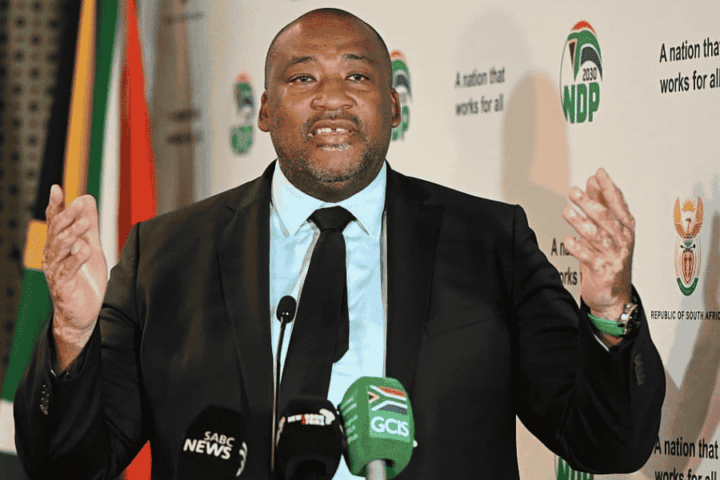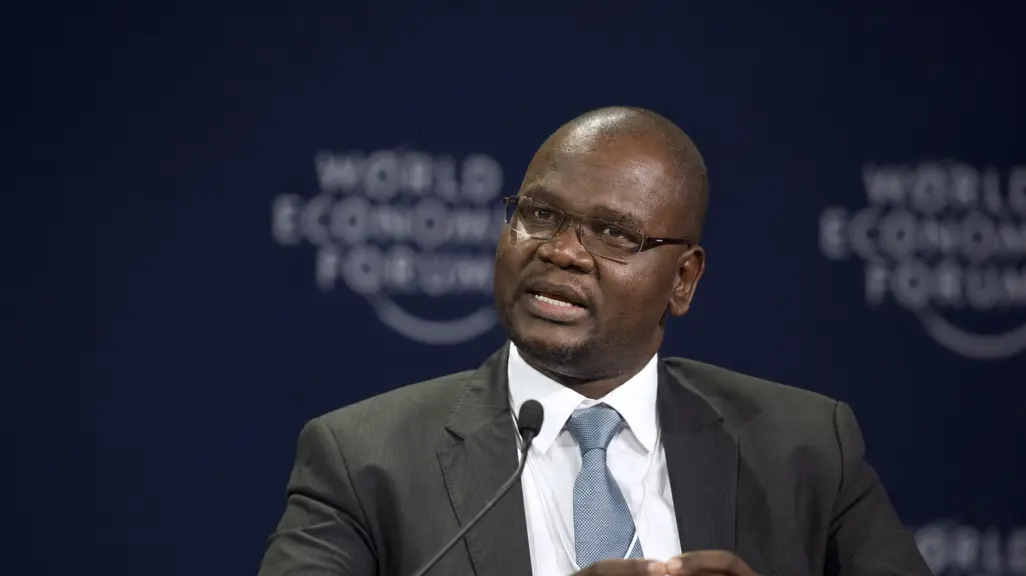
The Gauteng High Court in Pretoria has declared the suspension of Public Investment Corporation (PIC) chief executive Patrick Dlamini unlawful, handing the embattled executive a major legal victory.
The ruling overturns Dlamini’s suspension and is expected to restore stability at the state-owned asset manager following weeks of leadership uncertainty.
In his judgment on Tuesday, Judge Nathan Mbongwe found that the former PIC board had failed to follow the legal processes required before suspending the chief executive.
The court ruled that the board exceeded its powers by removing Dlamini without complying with the provisions of the PIC Act.
According to the judgment, the Minister of Finance, acting in consultation with Cabinet, is responsible for appointing the PIC chief executive, while the board’s role is confined to identifying and recommending a suitable candidate.
Judge Mbongwe said any decision to suspend the chief executive must first be recommended by the human resources and remuneration committee, initiated by the board chairperson and approved by the finance minister in consultation with Cabinet.
He found that none of these mandatory steps had been followed before Dlamini was placed on suspension.
“The board acted unlawfully, without ministerial approval, and in disregard of its own policies,” the judge said in the ruling.
Dlamini was suspended in July after a whistle-blower report accused him of misconduct relating to a controversial R430 million payment made to investment company Acapulco.
His removal from office sparked turmoil within the PIC, eventually leading to the resignation of several board members.
A new board was appointed last week, with Seiso Mohai taking over as chairperson.
The suspension also highlighted tensions between Finance Minister Enoch Godongwana and former board chairperson and Deputy Finance Minister David Masondo over the governance of the PIC.
The allegations against Dlamini stem from the PIC’s handling of a long-running dispute involving Acapulco.
In 2013, the PIC advanced a R333.2 million loan to Acapulco to fund its purchase of a 25% stake in Lanseria International Airport.
The agreement required Acapulco to secure refinancing for part of the loan before the repayment deadline in 2023.
After failing to meet its repayment obligations, Acapulco’s debt grew to approximately R600 million once interest had been added.
The PIC then moved to take ownership of Acapulco’s shares after the company defaulted on the loan.
The dispute later shifted to the value of Acapulco’s stake in the airport.
Professional services firm BDO initially valued the shares at around R330 million, leaving no surplus once Acapulco’s debt to the PIC had been deducted.
Acapulco was later permitted to appoint accounting firm Crowe to conduct another valuation of the same stake.
Crowe valued the investment at roughly R1 billion, creating the basis for Acapulco to receive about R430 million after its debt had been settled.
A PwC forensic investigation commissioned by Dlamini concluded that the PIC had formally rejected Crowe’s valuation but failed to robustly defend its position during arbitration.
The report found that the arbitration process ultimately favoured Acapulco.
The Financial Sector Conduct Authority is continuing its investigation into the transaction.
Before being suspended, Dlamini had begun implementing governance reforms aimed at improving oversight of investment decisions.
His proposed changes included dividing the chief investment officer position into separate portfolios responsible for listed investments, unlisted investments, and property and infrastructure.