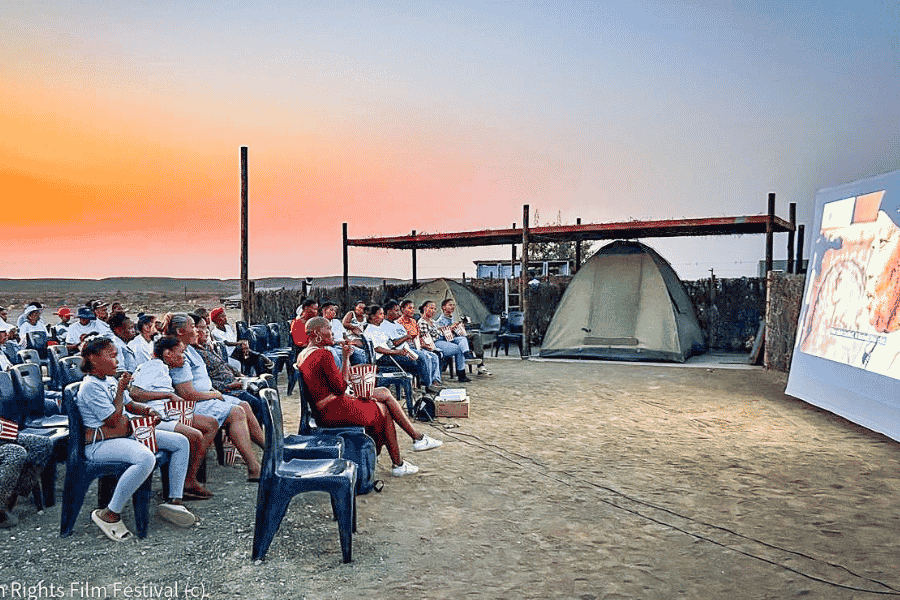
The Kalahari is about to be engulfed in fire – not from the scorching desert sun, but from the big screen, big conversations and big dreams as the Africa Human Rights Film Festival returns to the Northern Cape this October.
From 12 to 18 October 2026, the dusty villages of Rietfontein and Andriesvale will transform into a vibrant hub of cinema, dialogue and creativity as filmmakers, activists and communities gather for a week-long celebration of human rights through film.
Now in its eighth year since launching in 2018, the Africa Human Rights Film Festival (AHRFF) is no longer just a festival.
It has become a movement to build a thriving film ecosystem in one of South Africa’s most marginalised regions.
This year’s theme is bold and timely: “Setting the Discourse”.
Festival Director Davison Mudzingwa says the theme is a direct response to a world drowning in misinformation, doomscrolling and shrinking attention spans.
“This comes following the escalation of misinformation on important issues affecting the world. People are too busy with technology, doomscrolling, and a world that sort of praises low attention span. We want this festival to revive the spirit of taking, debating and critically analysing issues,” says Mudzingwa.
And the line-up is set to do exactly that.
The 2026 programme brings together powerful films that explore memory, land, food sovereignty, migration, identity, ageing and apartheid history.
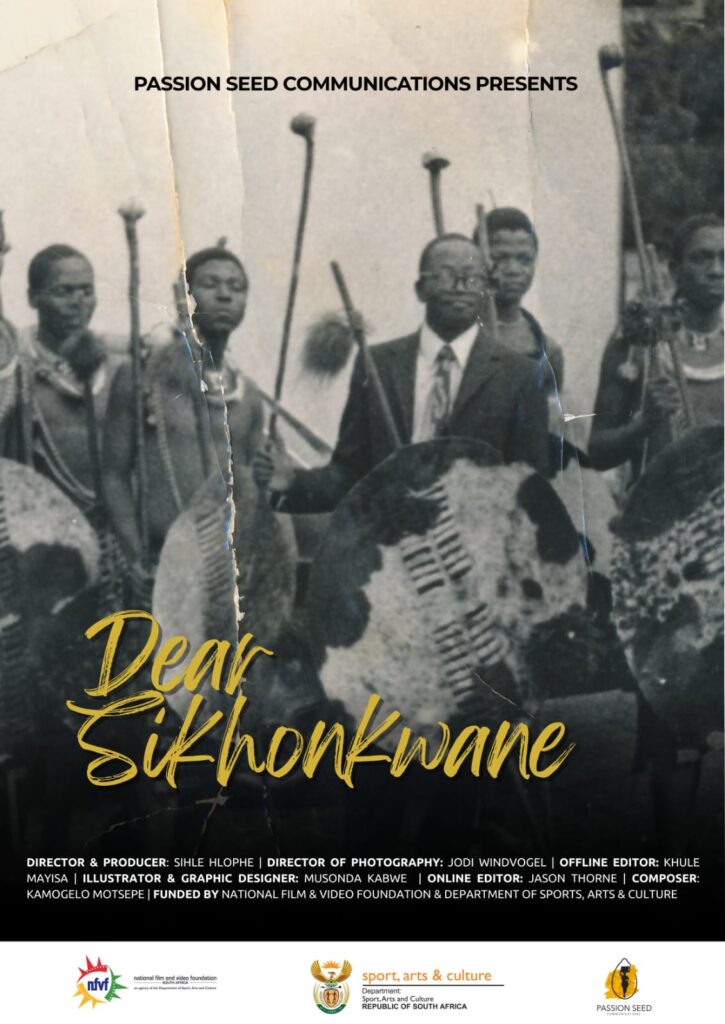
Among the headline films is Dear Sikhonkwane by Sihle Hlope, an intimate portrait of one of the first SiSwati authors who wrote, co-wrote and edited more than 40 books in less than two decades. It is a love letter to mother tongue and literary legacy.
In Hearts Remember, the lens turns to dementia and ageing in South Africa, featuring five families including the previously untold story of iconic Bafana Bafana coach Clive Barker.
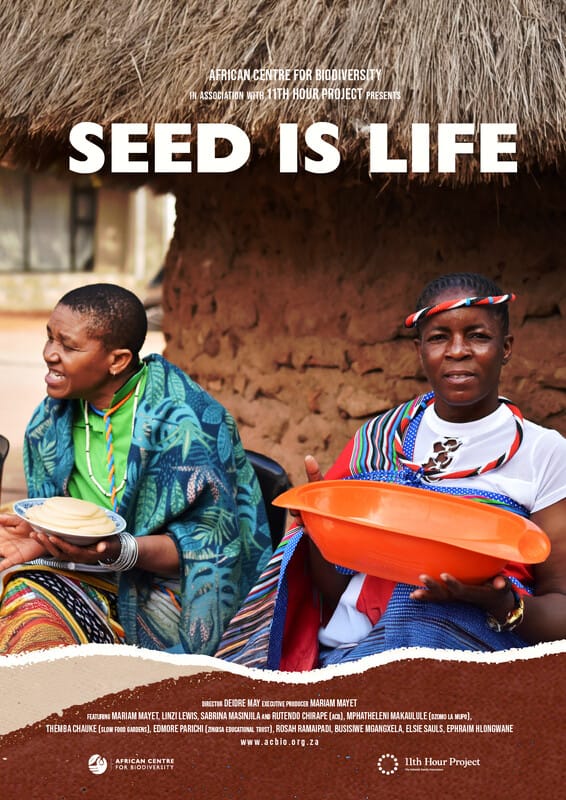
Food and justice collide in SEED IS LIFE, directed by Deidre May, which follows smallholder farmers in South Africa and Zimbabwe fighting to protect indigenous seed systems against growing corporate pressure.
On the international front, EXODUS: A WAR AGAINST THE PEOPLE by Bijoyini Chatterjee takes audiences to the Mexico-US border, exposing forced displacement and the humanitarian crisis through raw migrant testimonies.
Closer to home, Christopher Truter, A Child of 1976 by Deidré Jantjies revisits the killing of a young Capetonian by police in August 1976, with his niece Carmelita Truter seeking recognition 50 years after the Soweto uprising.
Land – the burning issue of South Africa – features prominently in A Piece of Ground by Sesihle Manzini and Stolen Ground: The Tygerberg Raceway Story by Joe Emilio, which interrogates dispossession, forced removals and today’s land invasions.
But perhaps the most exciting spark will come from the Kalahari itself. Four films made by young people from the region will premiere at the festival, tackling identity, gender-based violence and a brave coming-of-age story by Joy Baardman.
For Mudzingwa, that is the point.
“A lot has been said about the marginalisation of the Kalahari. We believe the film ecosystem is beginning to show signs of growth following years of skills development and film exhibition. There is evidence that with proper support and resourcing, marginalised communities can compete equally with peers elsewhere in the world and their unique stories are the currency,” he says.
Beyond screenings, the festival will host panel discussions, filmmaking workshops, masterclasses and networking sessions led by veteran trainer Hein Ungerer and filmmaker Joy Nkgapele, giving emerging filmmakers direct access to industry heavyweights.
Supported by the National Film and Video Foundation and the Presidential Employment Stimulus Programme, the festival is proving that cinema can thrive far from the bright lights of Johannesburg and Cape Town.
This October, the Kalahari will burn – with ideas, with stories, and with a new generation of filmmakers ready to set the discourse, Mudzingwa said.