Politics
Malema to question credibility of IEC results at national ROC as EFF trails
Julius Malema is expected to question the IEC’s preliminary results as the EFF assesses its declining electoral support.
5 min read
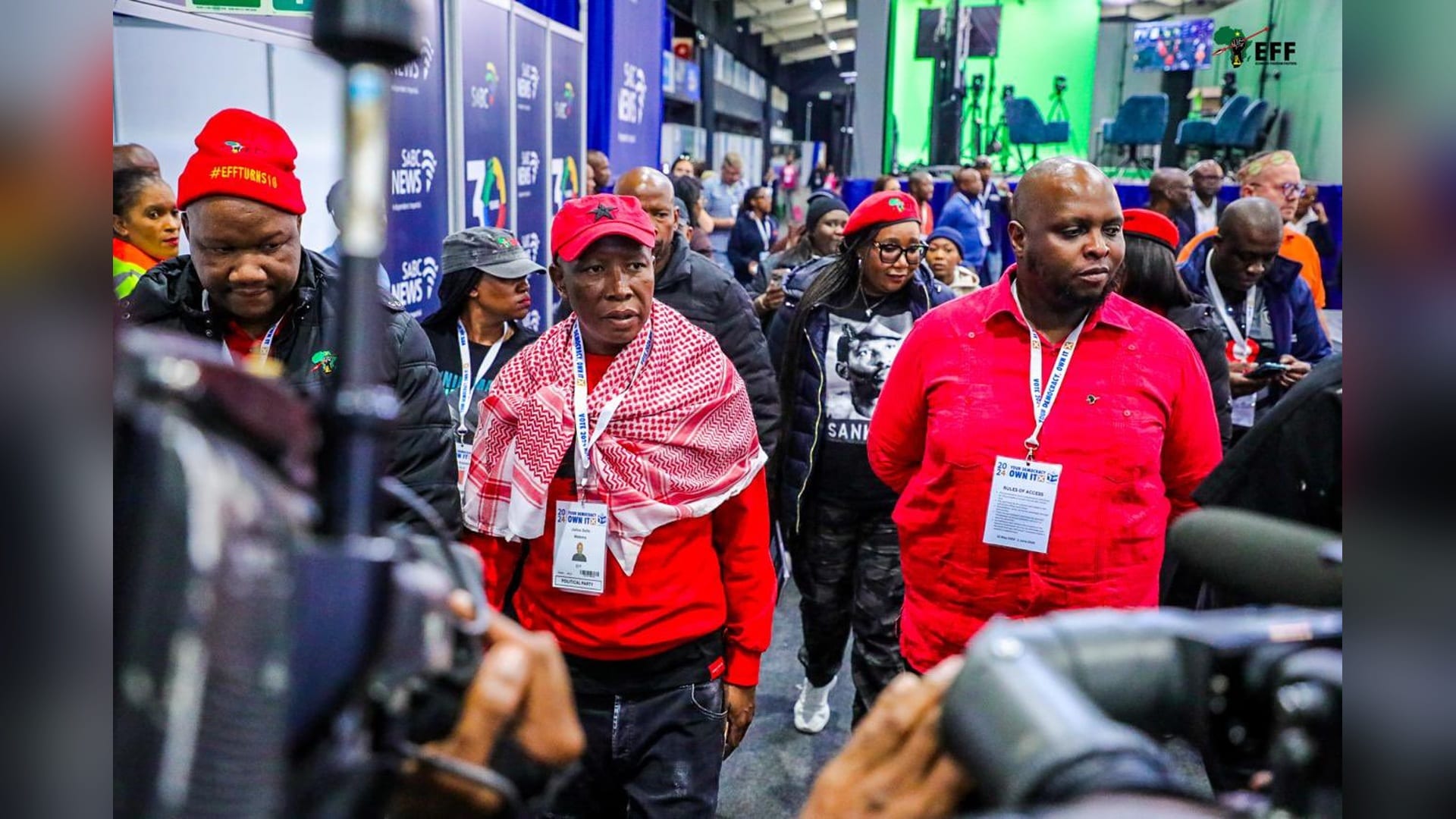
EFF president Julius Malema will address the media on Saturday at the national Results Operations Centre (ROC), where he is expected to question the credibility of the Electoral Commission of South Africa's (IEC) preliminary results.
Sources close to Malema say he will reject the preliminary results at the briefing, and will raise concerns about the credibility of the counting and results process.
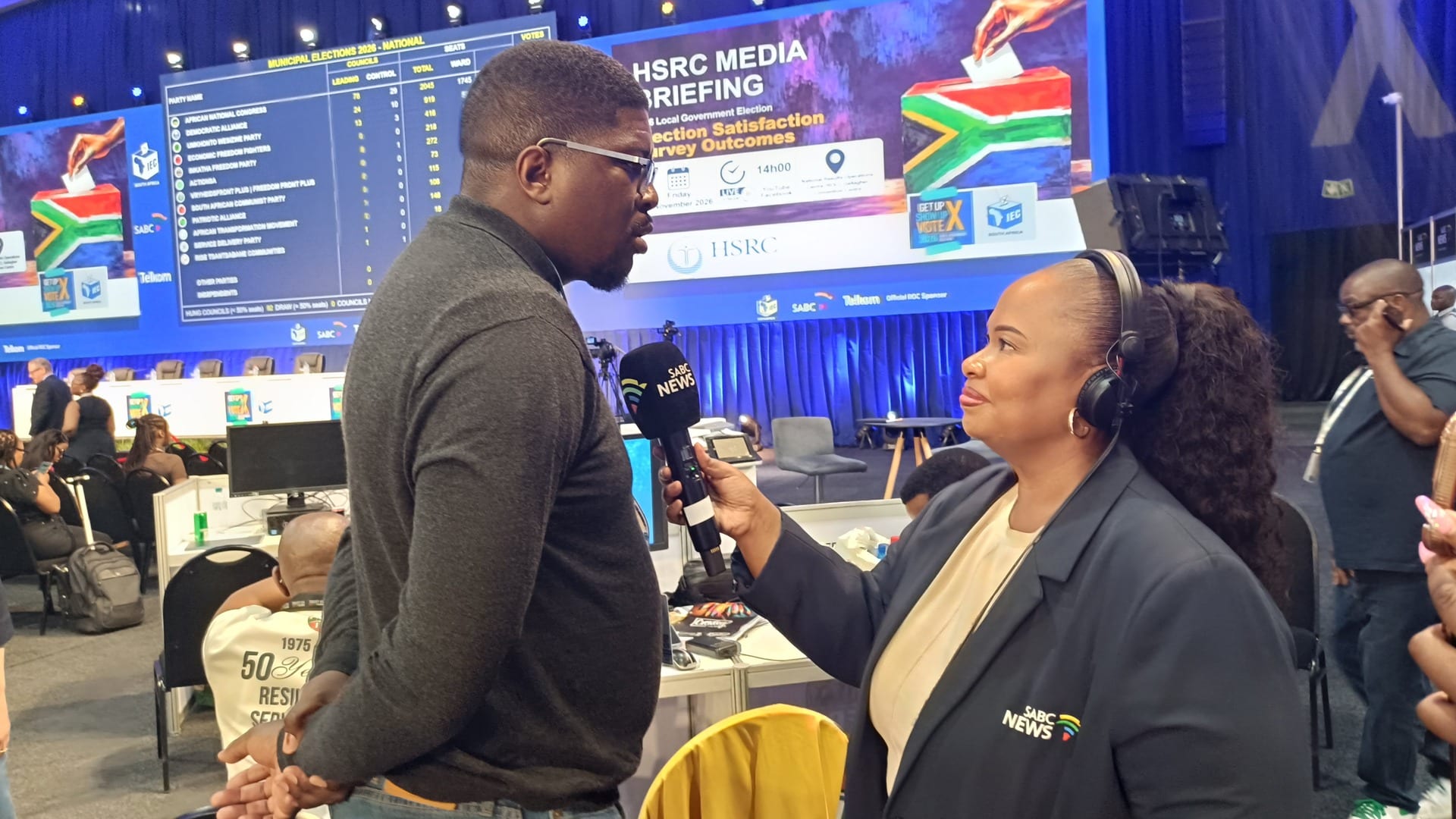
The ROC is the IEC's central hub for the election, where results from voting districts across the country are captured, verified and displayed. It is also where the IEC holds its own briefings and where party agents and observers are based.
The EFF has said it accepts that South Africans have not rallied behind it in this election.
With almost 98% of voting districts counted nationwide, the party's electoral support has declined. On the national leaderboard, the EFF is currently in fourth place with 9% of the vote.
In municipalities, the party is also currently not performing as well as it did in the 2021 local government elections.
The EFF has accepted that, with the vote-counting process in its final stages, the picture is unlikely to change.
The party is currently in fourth place in the City of Johannesburg with 6% of the vote. In Ekurhuleni and Tshwane, the EFF is also on 6%, but is currently in fifth place behind the MK Party and the Freedom Front Plus respectively.
EFF treasurer-general Omphile Maotse said the party's position at this stage is to accept the result.
"Ours is to accept the voices of our people. This is democracy, and the people must choose who they wish to lead the municipalities. If he did not choose the EFF, we will accept it. If they had chosen the EFF, we would also accept it," Maotse said.
The party said that once the official results are announced, a meeting with national officials will be convened to reflect on the outcome. During the meeting, the EFF will assess where it went wrong and what it could have done better to win over voters.
Maotse said it will be important for the party to close ranks and diagnose where things went wrong.
"We planned for the elections. When the results are now out, we have to call a closing meeting and do a diagnosis of what happened. Is it our resources? Could it be our structures?" Maotse said.
Malema's briefing at the ROC is expected to set out the party's formal response to the preliminary results and the basis on which it is questioning their credibility. Sources close to him say he will reject the IEC's preliminary results, but the party has not yet provided details of any specific objections it intends to lodge.
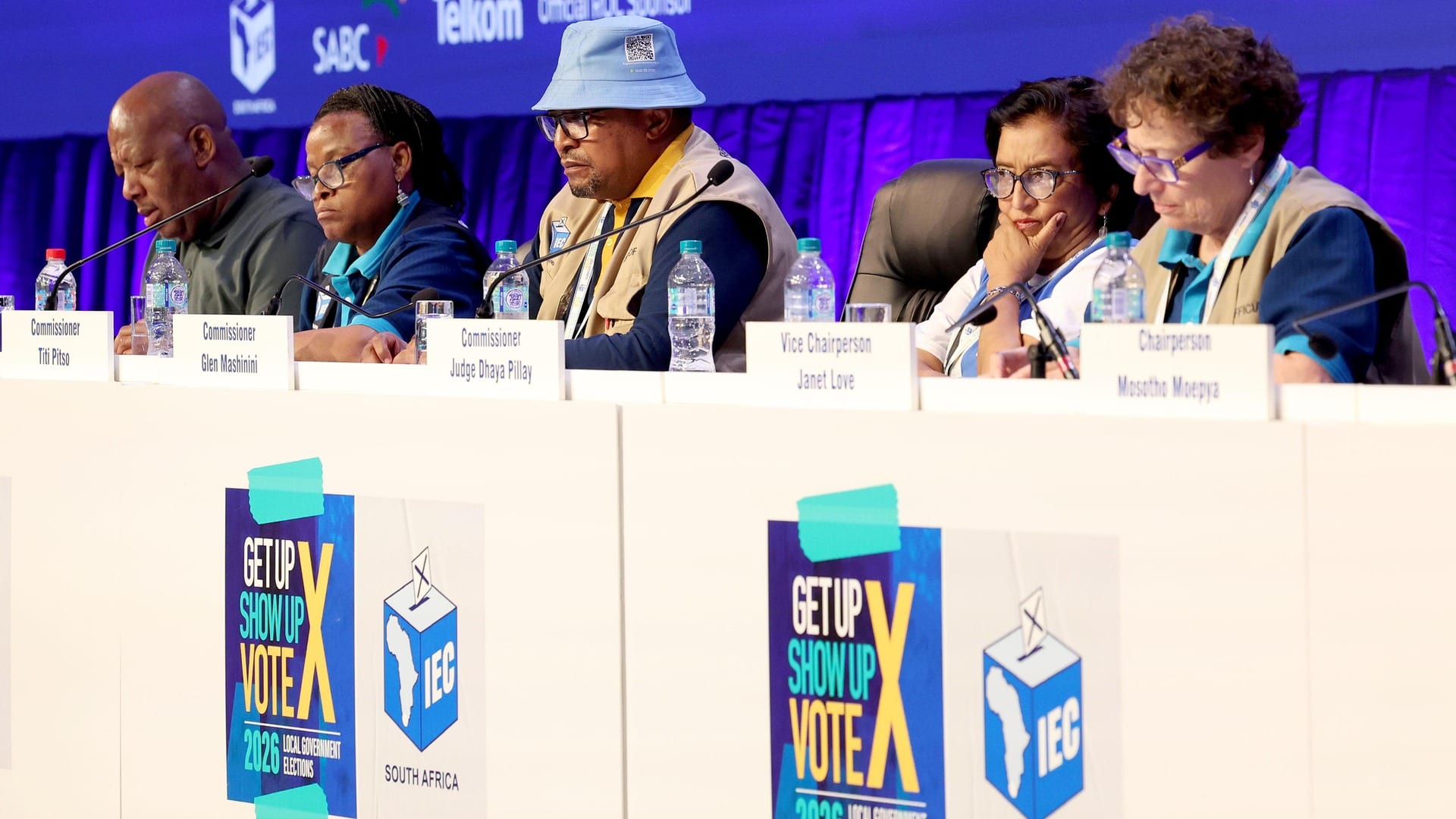
The ROC is also where parties can raise concerns through the IEC's established processes, and where the Commission has been updating contestants on complaints and objections.
The IEC has stressed the distinction between a complaint and a formal objection under Section 65 of the Electoral Act. A complaint can be raised with a presiding officer. An objection must be lodged in writing, set out the irregularity, the law relied on, and the relief sought, and show it could change the result.
By Thursday evening, the IEC had received more than 800 complaints from contestants, most alleging that party agents were prevented from observing voting and counting. About 106 remained open.
Parties that missed Friday's deadline for objections would have to apply for condonation, or go to the Electoral Court. Final results will only be declared once objections that could affect the outcome have been considered and resolved.
Political analyst Sandile Swana said the EFF's decline should be examined province by province and metro by metro, and in relation to which parties gained as the EFF lost support.
"Since the emergence of MKP, the EFF has been under attack, direct attack from MKP and from Floyd Shivambu. So, for instance, we need now to look at province by province, metro by metro," Swana said.
"Even when MKP launched its attack, the first attack in 2024, and JOSI was able to defend successfully in Johannesburg, not in Johannesburg, in Gauteng. So, we need to be able to say the EFF is losing, but losing to who? That's first point."
Swana said the party's organisational challenges predate the emergence of the MK Party. By 2021, during COVID, the EFF had developed a strategy, which he described as a new organisational design, to build structures voting district by voting district. COVID interrupted it.
"So, they went into the 2021 election without implementing their strategy. So, they still did well in terms of not losing much. So, the actual collapse, I mean changes, significant changes in EFF support has been in 2024," he said.
He said the drivers of the losses would need to be studied in the coming weeks and months.
"Now, you then have to study, and we cannot do that now, it will probably emerge in the next coming weeks and months, as to what are the drivers behind the losses of the EFF," Swana said.
He cautioned against attributing the decline to ideology alone, pointing to the rise of the SACP, which shares similar ideological positions.
"Now, and you must be aware that you have parties like the SACP that have got similar ideologies as the EFF, so we can't just say it's just the ideology of the EFF. The SACP is coming up strongly with similar ideologies, and it's not every party that has [lost]," he said.
"So, for instance, the DA is not supporting xenophobia, for instance, openly, you know, like other parties like ActionSA, etc, etc, but it's actually recovering in some of the areas where it had lost before. So, we need to be very careful of looking for simplistic answers."
Swana said the key questions are where the losses occurred and whether there is a relationship between the EFF's losses and gains by other parties.
"I would prefer to look and say, where were these losses? Are there any other parties that clearly gained when the EFF lost? Could there be a relationship? So, all that we can confirm for now is that the EFF has declined, but the reasons cannot be open before, we cannot go into the reasons before, we know the types of votes that they've lost, where did they lose them," he said.
Related stories
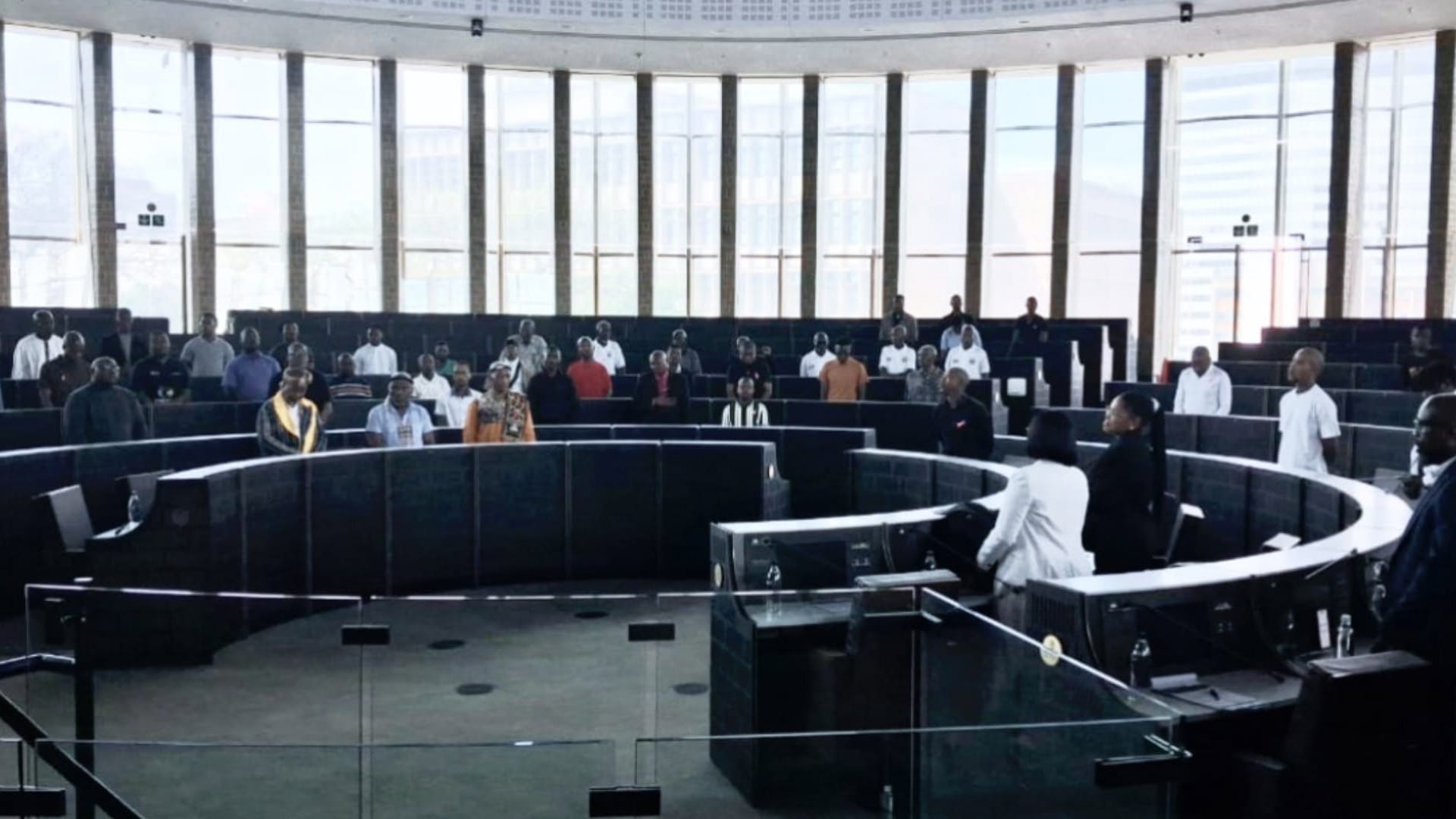
2026 Mayoral chain showdown
Municipal skills crisis raises questions about readiness of incoming councillors
By Justine Dumont
More on Julius Malema
All Julius Malema storiesPolitics
Celebrities, politicians cast ballots in 2026 local government elections
By Mashudu Sadike, Zama Nteyi and Justine Dumont
Politics
ANC to meet ANCYL ‘soon’ after Youth League demands DA be kicked out of GNU
By Mashudu Sadike
Latest from Africa Daily
Today's top stories- Municipal skills crisis raises questions about readiness of incoming councillors
- IFP blames lack of money as Hlengwa's Durban mayoral bid flops
- IEC faces revolt as ballot disputes pile up before deadline
- Magistrates still waiting on Ramaphosa for pay rise – MP
- Kwankwa: ANC a 'dying party mutilating itself'