Politics
ANC NEC meets to decide coalition direction and leadership questions after election setback
The ANC's National Executive Committee (NEC) is meeting today to assess the party's performance in the recent local government elections.
3 min read
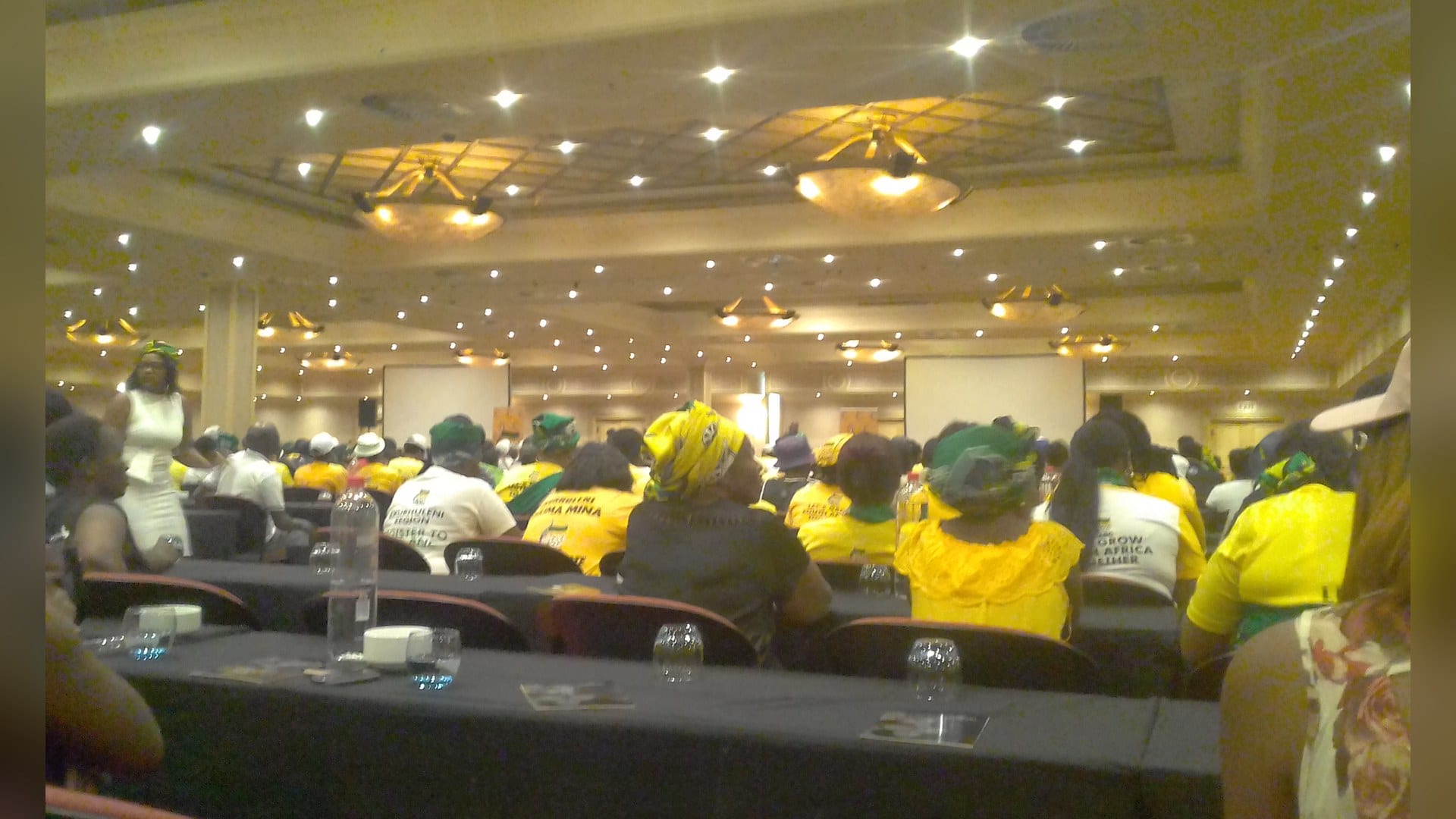
The ANC's National Executive Committee (NEC) is meeting today to assess the party's performance in the recent local government elections.
Coalition negotiations are at the top of the agenda as the party seeks to retain control of municipalities and secure partnerships with other political parties.
The party is under pressure after its support fell to just over 30%.
The extended NEC meeting is expected to set out guidelines for the party's negotiating team before coalition talks begin.
The meeting follows an election in which no single party secured outright control in many municipalities. Coalition talks have therefore become the main contest for power at local level.
For the ANC, the outcome in several key municipalities will depend on the framework adopted by the NEC. The guidelines are expected to state which parties the ANC can negotiate with, what conditions it will set for partnerships, and how much flexibility negotiators will have in different provinces and municipalities.
The question of who the ANC will stand with in the local government election negotiations is central to the party's immediate future.
In municipalities such as Emfuleni, where ANC support has declined, the party faces a choice between seeking new partnerships, attempting to retain control through smaller parties, or accepting opposition-led coalitions.
Similar questions are being considered in other hung municipalities across the country, where the ANC, the DA and smaller parties are assessing their options.
The NEC is expected to weigh the balance between retaining municipal power and protecting the party's longer-term political position. A coalition that keeps the ANC in office in the short term could carry political costs if it is seen as unstable or unworkable. A decision to stay out of a coalition could leave the party without influence in municipalities it has governed for years.
The meeting will also assess why the party's support fell and what that means for its structures at provincial and regional level.
The decline to just over 30% has intensified internal debate about accountability, leadership and service delivery. In municipalities where the ANC has faced sustained criticism over water interruptions, sewage spillages, billing problems and financial distress, the election result has been read inside the party as a signal of voter frustration.
The NEC is expected to receive reports on the party's performance across provinces and to discuss what steps are required in response.
A second issue expected to dominate today's meeting is the future of the party's Top 7.
There is speculation about whether the Top 7 will stand down after the local government elections, following the party's performance at the polls.
The NEC is expected to discuss leadership accountability and whether changes at the top are required. No decision has been confirmed ahead of the meeting.
The question links the election result to the party's leadership. If the NEC decides that the leadership must take responsibility for the decline, it could open the way for changes in the party's top structure. If it decides that the focus should remain on coalition talks and stabilising municipalities, the leadership question could be deferred.
For now, the ANC has not confirmed whether the Top 7 will remain in place, step aside, or face a formal process to determine their future.
Today's meeting will also address the practical timeline for coalition talks. Municipal councils must be constituted within a set period after the elections, and delays in finalising coalitions could affect service delivery and governance.
The negotiating guidelines are therefore expected to be detailed enough to allow talks to proceed quickly, while still giving the NEC control over major decisions.
The party's regional and provincial structures are expected to report on the state of negotiations in their areas. In Gauteng, where coalition contests in municipalities including Emfuleni remain unresolved, the NEC's guidance will be closely watched.
The meeting is also expected to discuss the ANC's approach to opposition parties. In some regions, there has been resistance to partnerships with the DA. In others, ANC structures have argued that the party must be open to any arrangement that secures stable governance.
The NEC will have to decide whether to set national rules that apply across all municipalities, or to allow provinces and regions to make decisions based on local conditions.
Related stories
More on ANC
All ANC storiesPolitics
‘Not legally constituted’: NAC board silenced in Parliament after legal bombshell
By Zama Nteyi
Politics
ANC Joburg weighs Electoral Court action over IEC discrepancies in 15 wards
By Mashudu Sadike
Latest from Africa Daily
Today's top stories- Man jailed for stealing copper cables from De Aar streetlights
- Three men sentenced for stealing 503kg of Transnet copper cables
- Incoming councillors to begin training in January 2027, SALGA confirms
- McKenzie apologises as MPs wait for report
- Veterans win healthcare approval, but DMV cannot foot the bill