Politics
Veterans win healthcare approval, but DMV cannot foot the bill
Military veterans whose healthcare applications were approved following a court order are being told they cannot get treatment because the Department of Military Veterans (DMV) says it has no money to pay for it.
By Zama Nteyi
3 min read
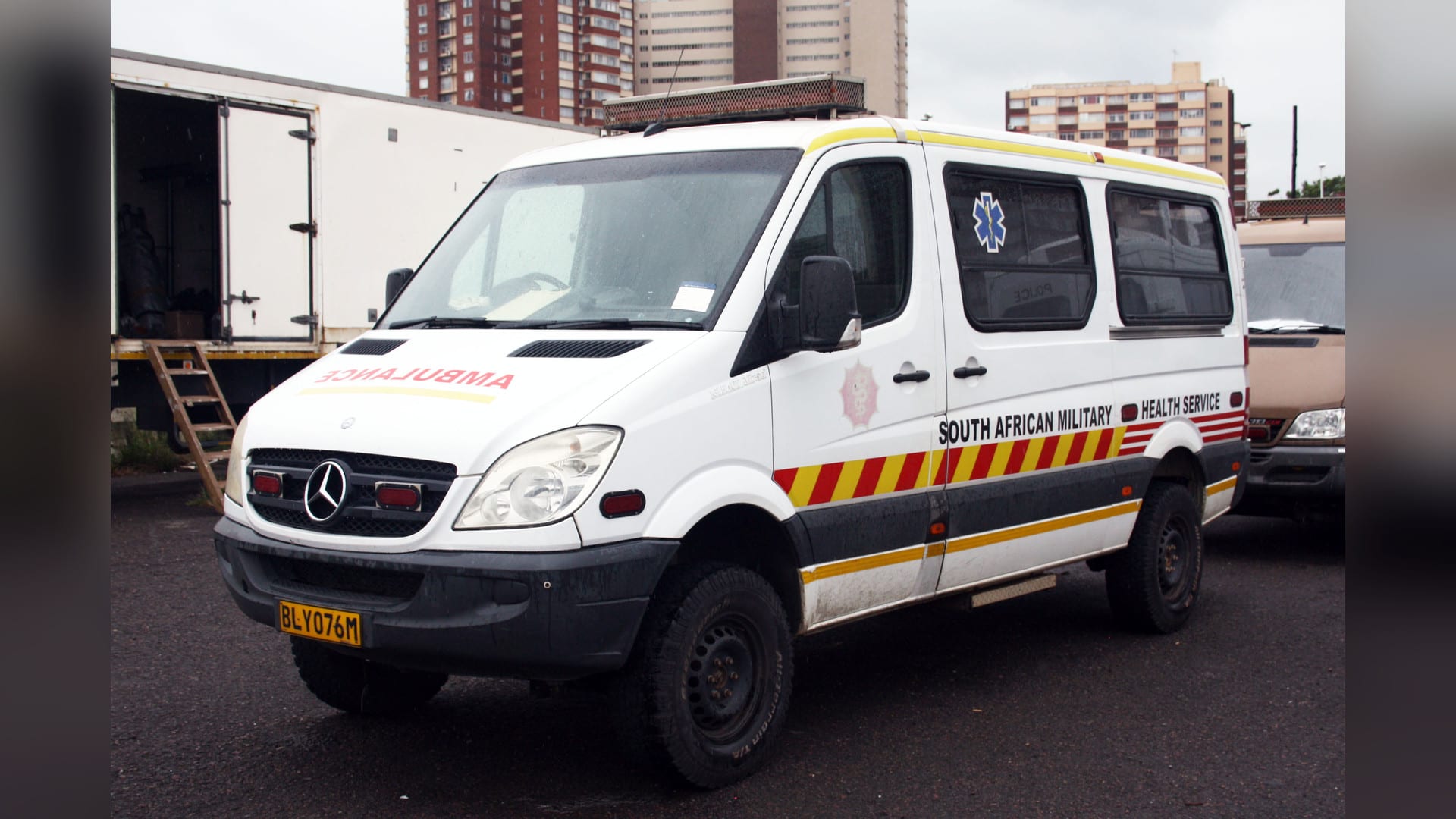
Military veterans whose healthcare applications were approved following a court order are being told they cannot get treatment because the Department of Military Veterans (DMV) says it has no money to pay for it.
The department is effectively approving healthcare on paper while leaving veterans without access to the treatment they have been promised.
Ambassador Thami Mseleku, who heads the ministerial task team on the DMV, told Parliament's Portfolio Committee on Defence and Military Veterans on Wednesday, 11 November that the department was meeting a court-imposed deadline to decide on outstanding healthcare applications.
But his presentation exposed a glaring contradiction: approval does not mean veterans will actually receive medical care.
"In the response, it clearly indicates that, yes, you have been approved to have access to the health benefit. However, the department is still having budgetary constraints, and therefore we are still in discussion with the public health facilities. If you can do it yourself in the meantime, while those discussions are taking place, it's fine. But we are trying to fast-track that," said Mseleku.
In other words, veterans who have waited for their applications to be approved are being left to find and potentially fund their own treatment while the department tries to work out how to honour its obligations.
Mseleku said discussions had begun with the Ministry of Health about allowing veterans to access public healthcare facilities.
However, the two ministers have yet to meet, with Mseleku attributing the delay to the election campaign.
The department's financial difficulties have also left it struggling to settle outstanding healthcare bills.
Its chief financial officer, Sibongiseni Ndlovu, told the committee that the DMV had approached National Treasury for a once-off R200 million allocation to settle outstanding accounts with the Department of Defence's South African Military Health Service (SAMHS).
Treasury has acknowledged the request but has not yet made a decision.
EFF MP Carl Niehaus was unconvinced by the department's assurances, accusing it of using smoke and mirrors to create the impression that it was complying with the court order.
"As I was listening to Ambassador Mseleku's presentation, I couldn't help thinking that we are dealing here with quite a lot of smoke and mirrors. On the one hand, the ambassador tells us they are embracing the issue of access to medical facilities. But on the other hand, he tells us that those who get approved, and are told they can now get access, will not get access, but will be told that there are financial constraints.
"I'm not convinced that this meets the provisions of the court order. A further application to court on the basis of such a sleight of hand, 'yes, you've been approved, but you cannot get it', may lead to a further court ruling which will not be in favour of the department," he said.
He said that the department could not hide behind the Public Finance Management Act (PFMA) to avoid complying with a court order.
He warned that the department's approach could expose it to contempt of court proceedings.
DA MP Chris Hattingh also questioned why the department appeared to be making little progress despite having raised the same problems a month earlier.
"In October, the department said it could not refer applicants for healthcare to the South African Military Health Services because of long-outstanding accounts and other reasons, and was then prepared to approve care through public facilities. Now, a month later, the presentation says discussions are continuing. What is the exact status? What is going on here? Which public healthcare facilities have been designated and approved, and when did this arrangement become operational? How many military veterans have now received treatment through this?" he asked.
The questions exposed another gap in the department's account: it could not demonstrate how many veterans had actually benefited from the proposed alternative healthcare arrangements.
Mseleku said approximately 260 healthcare applications were still being traced because the department had been unable to match applicants to their force numbers or other records.
The Gauteng High Court ordered on 11 May 2026 that the department decide veterans' healthcare applications and provide reasons for any rejections within 90 working days.
The order was intended to force the department to deal with applications that had remained unresolved.
But Wednesday's presentation raised questions about whether veterans are receiving anything more than approval letters, with the department still unable to guarantee that those approved can access the healthcare benefit.