Politics
Appeals board scandal widens as minister's appointments come under fire
The Department of Military Veterans has admitted that appointments to its appeals board were made without the consultation required by law, triggering a heated confrontation between MPs in Parliament.
By Zama Nteyi
3 min read
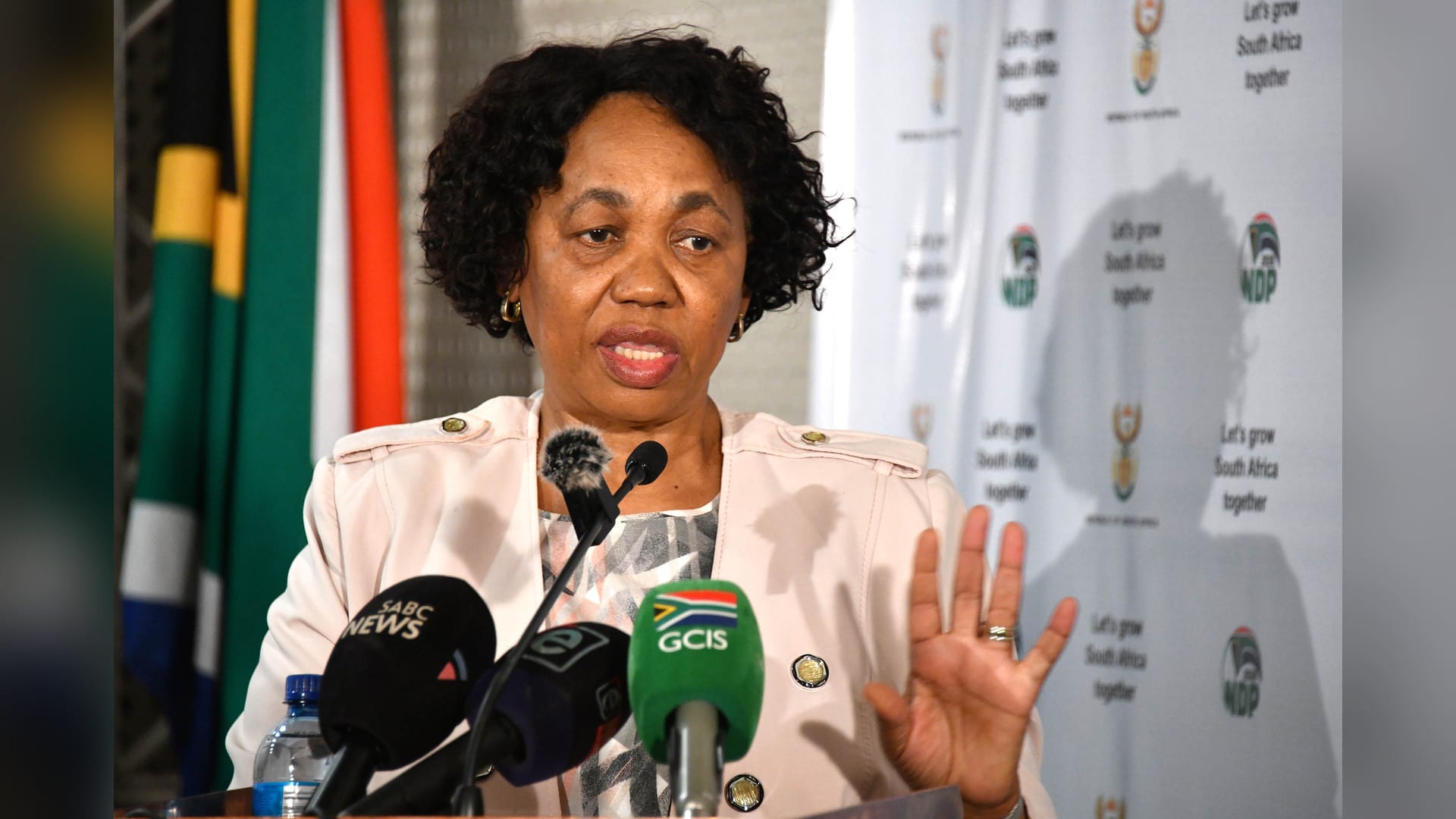
The Department of Military Veterans has admitted that the appointments to its appeals board were made without the consultation required by law.
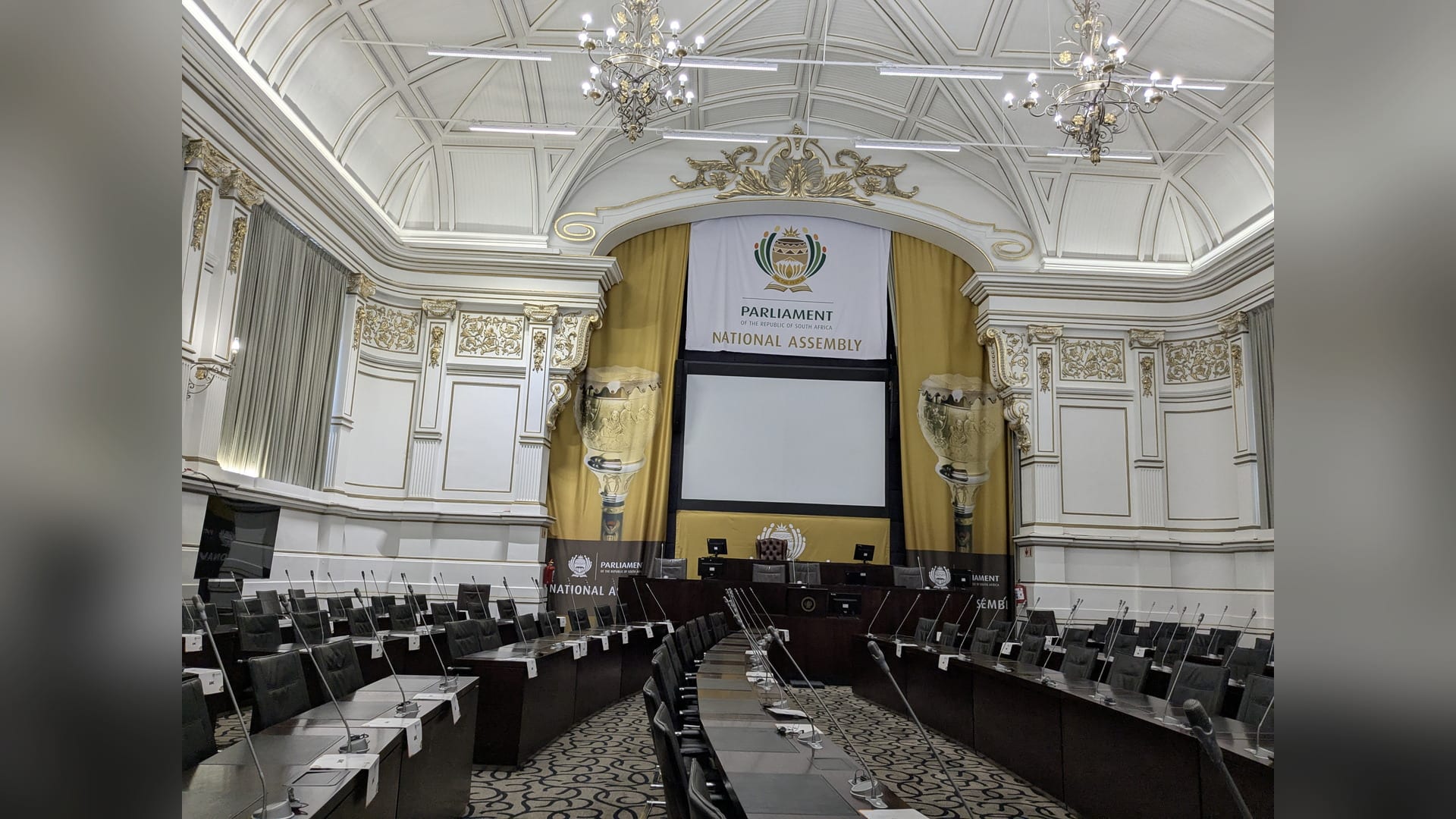
This triggered a heated confrontation between MPs in Parliament on Wednesday, 11 November.
The board, which is supposed to hear appeals from military veterans whose benefit applications have been rejected, has become the centre of a legal dispute over whether it was lawfully constituted.
Ambassador Thami Mseleku, head of the ministerial task team on the Department of Military Veterans (DMV), told the Portfolio Committee on Defence and Military Veterans that the South African National Military Veterans Association (SANMVA) was not consulted before the appointments.
"On the one hand, SANMVA may rightfully be raising issues of proper consultation: 'we were not consulted before this appointment', which is already acknowledged by the minister. That is why she approached them in that regard," he explained.
Mseleku said the board's work had been suspended while the minister attempted to address the consultation problem through correspondence with SANMVA.
He indicated that the board would now resume its work.
"The work of the appeals board will soon be in place to deal with its work, until set aside by a court of law, the competent authority," he said.
But EFF MP Carl Niehaus rejected the department's position, arguing that the minister had acted outside her legal powers by making the appointments without the required consultation.
"The reality that we face is that the minister acted outside her powers. She should have consulted, and she did not consult. The reality that we face is that this board is not properly and legally constituted," he said.
ANC MP Tshilidzi Munyai welcomed the board's establishment, saying it would give veterans an opportunity to challenge rejected applications.
"We are very happy that there's now a functional, established appeals board, with a prescribed period as per the ruling of the court, so that our members will be able to appeal if they were not approved," said Munyai.
When Munyai later described the board as legal, Niehaus intervened on a point of order, accusing him of misleading the public and military veterans.
"We must not mislead the public. It is evident that there's a serious problem with the appeals board. Even the presentations we received today indicated that SANMVA and other military veterans' associations have raised serious concerns about the process that led to its constitution. There is a problem. The appeals board as it is constituted at the moment is not legal. It is being challenged by various military veterans' associations, including SANMVA, right now. Let us not tell lies and sell fibs to the public, and especially not to our fellow military veterans," said Niehaus.
The dispute centres on Section 21(1) of the Military Veterans Act, which requires appointments to the appeals board to be made in consultation with SANMVA.
In a written reply to Parliament under question NW2895, the minister acknowledged that the court had found the current board "not to be compliant with the Act" because of the failure to consult the association.
The department's handling of the board also came under scrutiny from DA MP Chris Hattingh.
He pointed out that the department had told Parliament in June that the board was functional, admitted in August that its work had been suspended, and was still unable to confirm on Wednesday whether it had resumed operations.
The uncertainty leaves veterans facing further questions about where and how they can appeal decisions rejecting their applications for benefits.