Politics
‘Not legally constituted’: NAC board silenced in Parliament after legal bombshell
Parliament has refused to let the National Arts Council (NAC) council answer questions. This after the Department of Sport, Arts and Culture’s (DSAC) own legal head admitted that the council is not legally constituted.
By Zama Nteyi
3 min read
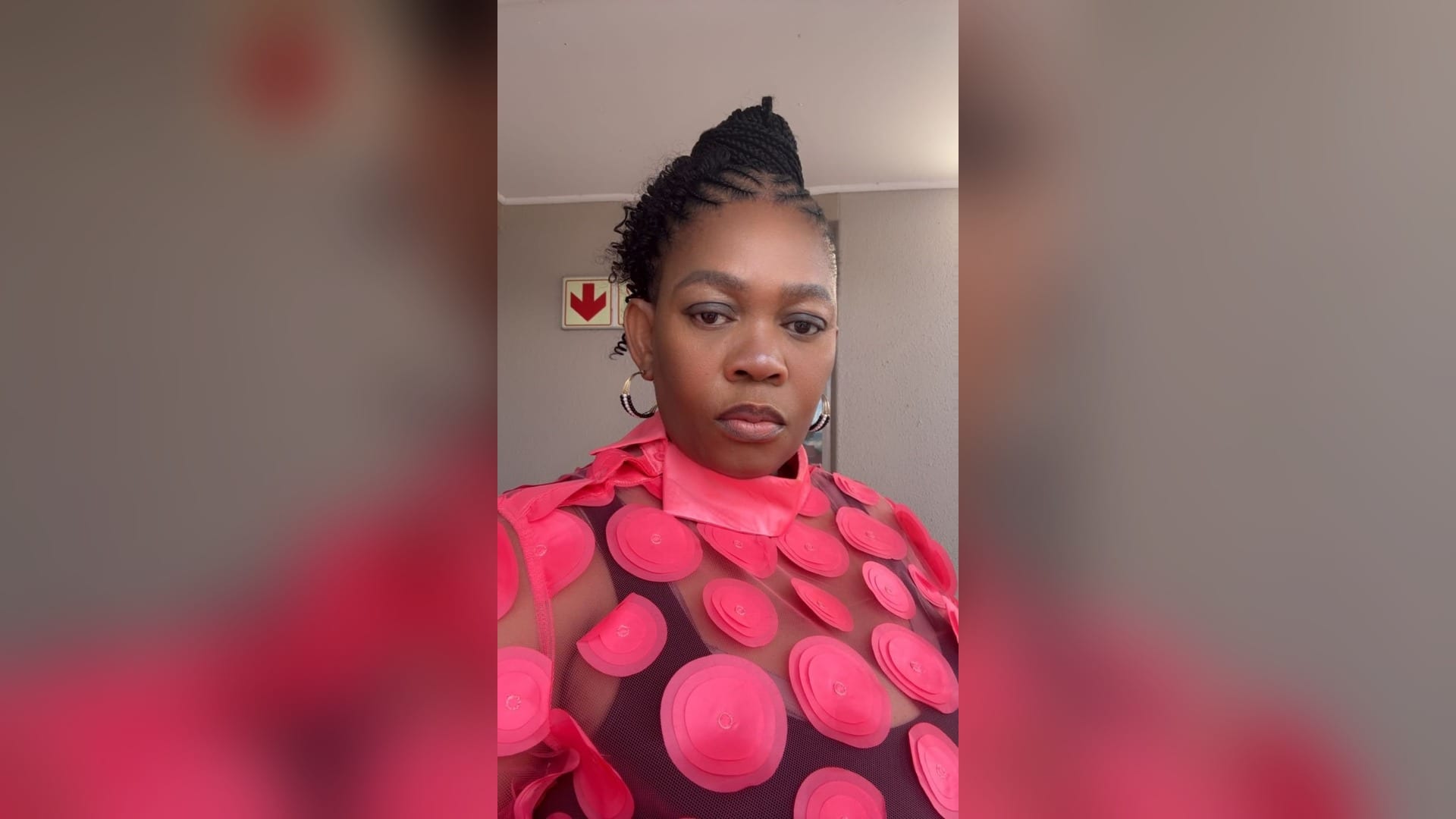
Parliament has refused to let the National Arts Council (NAC) council answer questions. This after the Department of Sport, Arts and Culture’s (DSAC) own legal head admitted that the council is not legally constituted.
Council members sat through Tuesday’s meeting of the Portfolio Committee on Sport, Arts and Culture but were not allowed to speak.
“I will be breaching the decision that was taken by the committee if I allow members of the board to speak,” The chairperson, Inathi Mirranda Mbiyo, said on Tuesday, 10 November.
The committee also postponed a discussion on Downtown Studios because the council could not account for it.
The decision followed an admission from DSAC’s acting head of legal services, Advocate Benedict Mukubedi.
“There are two distinctions that we need to make. One is that of constitution and composition. Yes, they do form a quorum. However, they are not legally constituted,” Mukubedi said.
ANC MP Matsholo Mmolotsane said the council has only seven members appointed by the minister. The law requires at least nine.
“The least number of members we can have is nine. We cannot have anything less than nine. So presently we have seven. It means there is no chicken, and the water is already boiling. We don’t have anything to say, Minister. We are just wasting our precious time,” she said.
Sport, Arts and Culture Minister Gayton McKenzie agreed.
“Firstly, I do agree that it is really a waste of the precious time of this portfolio committee to be interrogating and demanding answers from a board that is not properly and fully constituted,” he said.
The problem means artists will wait longer for money. Mukubedi said funding panels can keep working, but no grants can be approved until the council is full.
“In terms of the adjudication of these applications, I believe they are chaired by the respective members of the board. Those processes can still proceed. However, the approval aspect, which is a material matter, would have to be postponed. Hopefully, by the time they sit, the department’s processes would have been finalised, so that a properly constituted council will be able to approve the recommendations of the panels,” he said.
McKenzie said he had also frozen the hiring of a permanent CEO and CFO.
“I personally asked that those processes be held until we have a fully constituted board. That is the only delay. The current board wanted to proceed with it. I said no, don’t proceed, because the fiduciary duties must fall on a fully constituted board. I don’t want people to say I wasn’t part of the appointment of the CEO, I wasn’t part of the process. Hence I’ve stopped it,” McKenzie explained.
EFF MP Eugene Mthethwa said the council’s past decisions were now in doubt.
“Section 8(3), contrary to what the legal person has quoted, says a quorum for a meeting of the council shall be a majority of its members. Seven is not a majority. And there is no provision in the Act that says if members are fewer than nine, there is an opportunity to act. So even the decisions taken in any of their meetings need to be questioned,” Mthethwa said.
Mukubedi argued that section 4(8) of the Act, which deals with filling vacancies, kept the council alive.
“If you read section 4(1) exclusively, it says the council is not properly constituted. But the legislature foresaw that there may be instances where vacancies arise. Hence the inclusion of subsection 8, so that whenever there are vacancies, the council is not automatically dissolved. Section 4(1) of the National Arts Council Act says the council ‘shall consist of nine provincial representatives and no fewer than nine and no more than 18 other persons,” Mukubedi argued.
Six council members resigned on 14 and 15 October. DSAC says it aims to appoint new members by the end of December.
McKenzie dissolved the council in May 2026. On 31 July, the Gauteng High Court suspended the dissolution and reinstated the members pending a review.
Related stories
More on National Arts Council
All National Arts Council storiesLatest from Africa Daily
Today's top stories- 'Watch me in 2029': McKenzie concedes ActionSA victory
- DA challenges ANC's pension funding claims
- Armed robbers target three Limpopo schools, steal tablets and assault security guards
- Matlala's U-turn on Sibiya payment and claims against Idac dominate three days of testimony
- Semenya rules out ASA and SASCOC roles, calls officials ‘snakes’