As South Africa commemorates 50 years since the 1976 Soweto Uprising, President Cyril Ramaphosa faces growing pressure to explain how his government will address youth unemployment, crime and illegal immigration — issues many young people say now define their daily reality.
The president is expected to deliver the keynote address at the National Youth Day commemoration in Johannesburg on Tuesday as the country reflects on the legacy of the students who challenged apartheid and changed the course of South African history.
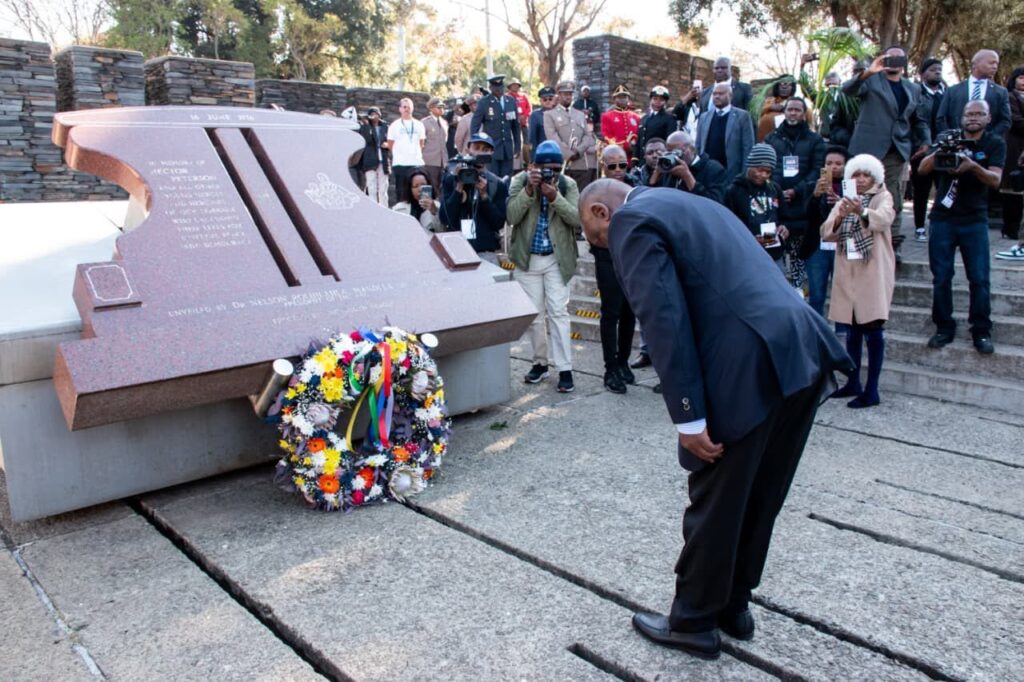
The milestone event honours the young people who took to the streets on 16 June 1976 in protest against the apartheid government’s education policies, a moment that became one of the defining chapters of South Africa’s liberation struggle.
Held under the theme “RESET @50 – Our National Commitment to the Future for Freedom Lives in Every Generation”, this year’s commemoration is expected to reflect on the legacy of the 1976 generation while confronting the realities facing young South Africans today.
While the country celebrates five decades since the uprising, many young people believe not much has changed.
Fifty years ago, students fought for the right to quality education and dignity. Today, a new generation is fighting for access to jobs, economic opportunity and a meaningful future.
Youth unemployment remains one of South Africa’s most pressing challenges. Millions of young people remain locked out of the labour market, including many who hold qualifications, diplomas and university degrees. Despite the democratic gains achieved since 1994, unemployment among young people has become one of the defining crises of the post-apartheid era.
For many young South Africans, the struggle has shifted from gaining access to education to securing employment after completing it. As a result, Ramaphosa will come under pressure to outline concrete plans for job creation, skills development and expanding opportunities in an increasingly digital economy.
Crime is also expected to feature prominently.
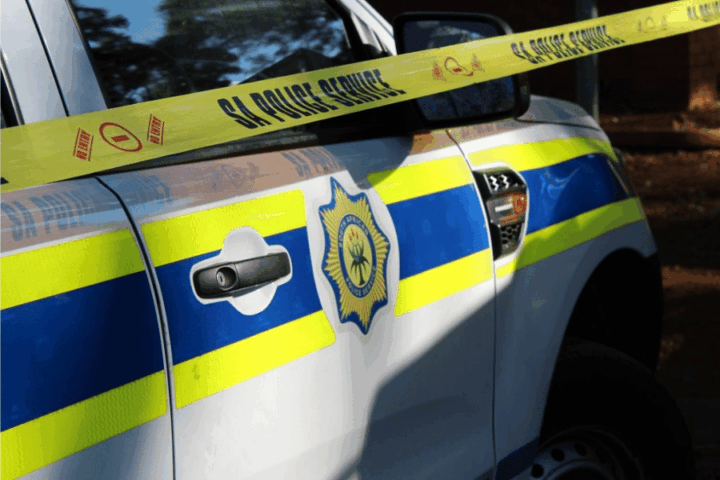
Communities across the country continue to grapple with violent crime, gang activity, substance abuse and gender-based violence. Many experts have argued that policing alone cannot solve the problem, pointing instead to poverty, unemployment and social exclusion as major drivers of criminal activity.
Young people are likely to expect government to explain how it plans to tackle the conditions that make communities vulnerable to crime, including school dropouts, inadequate social support systems and limited economic opportunities.
Immigration is another issue likely to dominate public debate around Youth Day.
In recent weeks, anti-illegal immigration protests have intensified in several parts of the country amid growing frustration over unemployment and economic hardship. Some South Africans argue that scarce jobs and opportunities are increasingly being contested in an already strained economy.
At the same time, government has warned against vigilantism and xenophobic violence, insisting that immigration laws must be enforced through legal and constitutional processes.
Ramaphosa is therefore expected to address concerns around border security, immigration management and law enforcement while balancing these issues against South Africa’s constitutional obligations and commitment to social cohesion.
The significance of this year’s commemoration lies not only in remembering the sacrifices of 1976 but also in assessing whether the promise of freedom has translated into meaningful opportunities for the generation that followed.
As South Africa reflects on the courage of the youth who challenged an unjust system half a century ago, many will be listening closely for answers on how government intends to confront the challenges that continue to define the lives of young people today.
For millions of South Africans, the legacy of 16 June is no longer only about the right to learn. It is also about the right to work, to participate in the economy and to build a future with dignity.