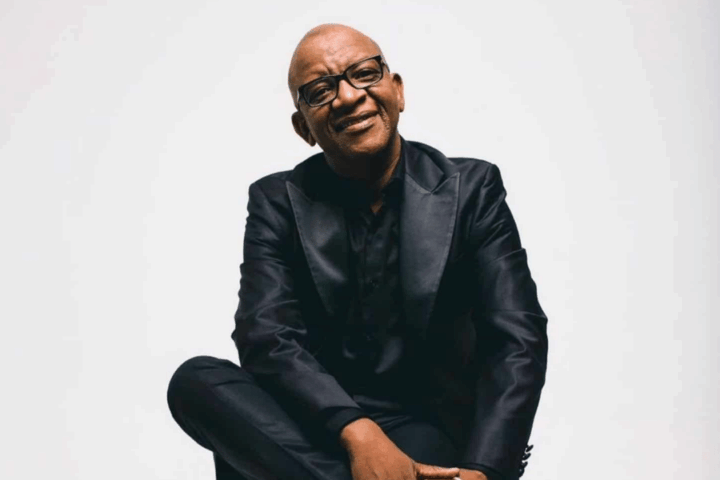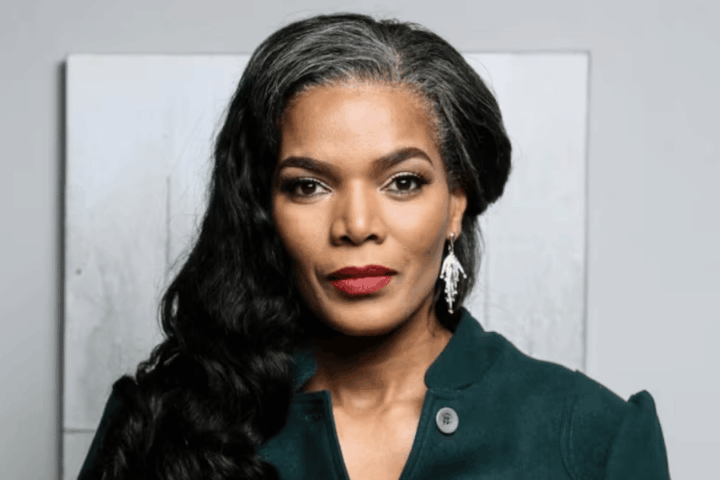
Popular television actress Ayanda Mandisa Bandla, who played Thandiswa in e.tv ‘s popular drama Smoke and Mirrors and her husband Mqondisi Nyanda Ngubane are being interdicted from withdrawing a gripping South Africa crime drama feature film Poacher’s Moon from Durban Film Festival (DFF) due to take place on July 23.
Africa Daily can exclusively reveal that a United Kingdom-based production company DodatNowFilms and its and its director Tom Leo James Datnow have approached the Joburg High Court on urgent basis to stop the married couple and its two entities -Vignette Africa and MQ Films -from withdrawing Poacher’s Moon from the DFF, interfering with the exhibition, festival participation, distribution, sale and exploitation of the film , among others, pending the final determination of the dispute.
Datnow cited Vignette Africa as the first respondent, MQ Films as second respondent,Bandla as the third respondent and Ngubane as the fourth respectively.
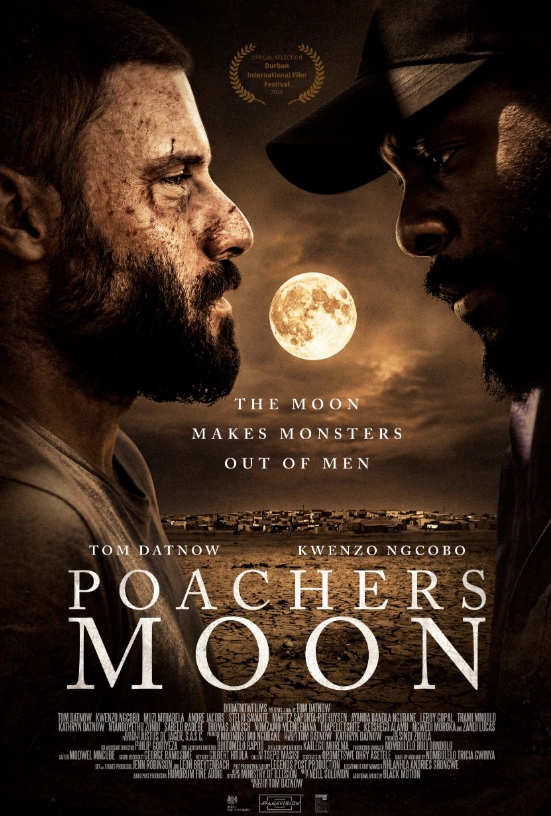
In his founding affidavit, DatNow said he appointed Vignette Africa and MQ Films to provide production support, executive production services and assist with creating distribution opportunities for Poacher’s Moon in South Africa because he was not familiar with the local market.
The affidavit states that the relationship later collapsed after Bandla, Ngubane and their entities allegedly withdrew from the project before attempting to reinsert themselves into the film’s distribution process.
“As appears more fully hereunder, the first and second respondents were appointed as the applicants’ agent in South Africa to facilitate production services and the creation of distribution opportunities in respect of a film, Poacher’s Moon, copyright in which vests in the applicant,” the affidavit reads.
Datnow further alleged that, after the agency agreement came to an end, “the respondents have sought to re-insert themselves in the participation of distribution opportunities and have threatened to obstruct or otherwise interfere with such opportunities.”
Datnow said he originated the film as its writer, director and producer through DoDatnowFilms, while the company financed the production. Because he was unfamiliar with the South African film industry, he said the company enlisted Vignette Africa and MQ Films to facilitate local production, crewing, casting, logistics, post-production and executive production services.
He said the parties entered into oral agreements under which the South African companies would procure production and post-production services, while DoDatnow would fund those expenses through a special purpose company established for the project.
Datnow said the relationship deteriorated in March 2026 when Bandla informed him by email that Vignette Africa was withdrawing from the project.
In the email attached to the application, Bandla allegedly wrote: “We no longer need to be included in any waterfall/distribution agreements, conversations and deals. We will no longer continue to engage with any distributors. You as DoDatnow can continue singularly to pursue distribution matters how you see fit.”
Bandla further stated: “We as Vignette walk away peacefully from this project… We wish you all the best for the film moving forward.”
Datnow said he accepted the withdrawal and the parties exchanged correspondence aimed at formalising their separation. However, he claimed, the dispute reignited after Poacher’s Moon was selected for screening at the DIFF, scheduled to take place from 23 July to 2 August 2026.
He said Bandla later asserted that Vignette remained entitled to be involved in matters arising from opportunities created before its withdrawal and warned that the company could withdraw the film’s DIFF submission if DoDatnow dealt directly with the festival.
The affidavit quotes Bandla as stating: “As Vignette Africa we remain fully involved in the matter of DIFF… otherwise we are willing and ready to withdraw the film from DIFF on our account and endeavours to allow for DoDatnow Films to have their own independent submission.”
Bandla also allegedly stated that Vignette was prepared to withdraw other engagements with broadcasters, streaming services and international organisations, including Netflix Africa, Amazon, Paramount Africa, the SABC, e.tv, Channel 4, ITV, MultiChoice and the British High Commission.
Datnow contends that such actions would cause irreparable harm to the film’s commercial prospects and international reputation.
“There is no agreement in terms of which DoDatnow assigned, transferred or ceded ownership of the film or its copyright to any of the respondents or any other party,” the affidavit states.
He further submitted that DoDatnow is “the party entitled to control the exhibition, festival participation, distribution, sale and exploitation of the film, and to determine who may act on its behalf.”
He argued that losing the opportunity to screen at DIFF would inflict damage that could not later be remedied.
“The DIFF constitutes a major marketing opportunity for the film and, if that should occur, then the applicant will never be able to re-gain the opportunity. The lost opportunity cost would also be impossible to quantify,” the affidavit read.
Datnow also claimed that if the respondents approach distributors and raise disputes over ownership or authorship, the film’s future could be jeopardised.
“It is unlikely that any distributor or festival would want to be associated with the distribution of a film that is subject to an internal dispute about ownership or authorship,” the affidavit states.
The applicants maintain that despite attempts by their attorneys to resolve the matter through correspondence and proposed mediation, they did not receive the undertakings they sought to prevent interference with the film’s distribution. They have therefore asked the high court to grant urgent interim relief pending the outcome of the main application.