South Africa and Namibia have committed to deepening economic cooperation to ensure Africa no longer exports raw minerals while importing finished products.
President Cyril Ramaphosa said the continent must pursue a new model of industrialisation driven by regional value chains.
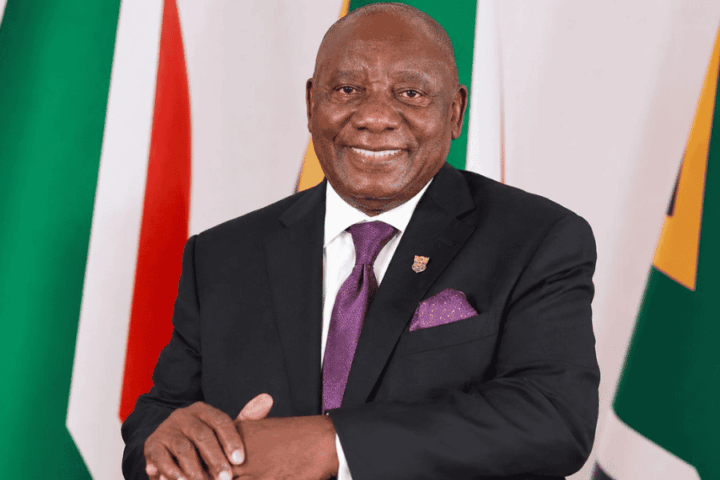
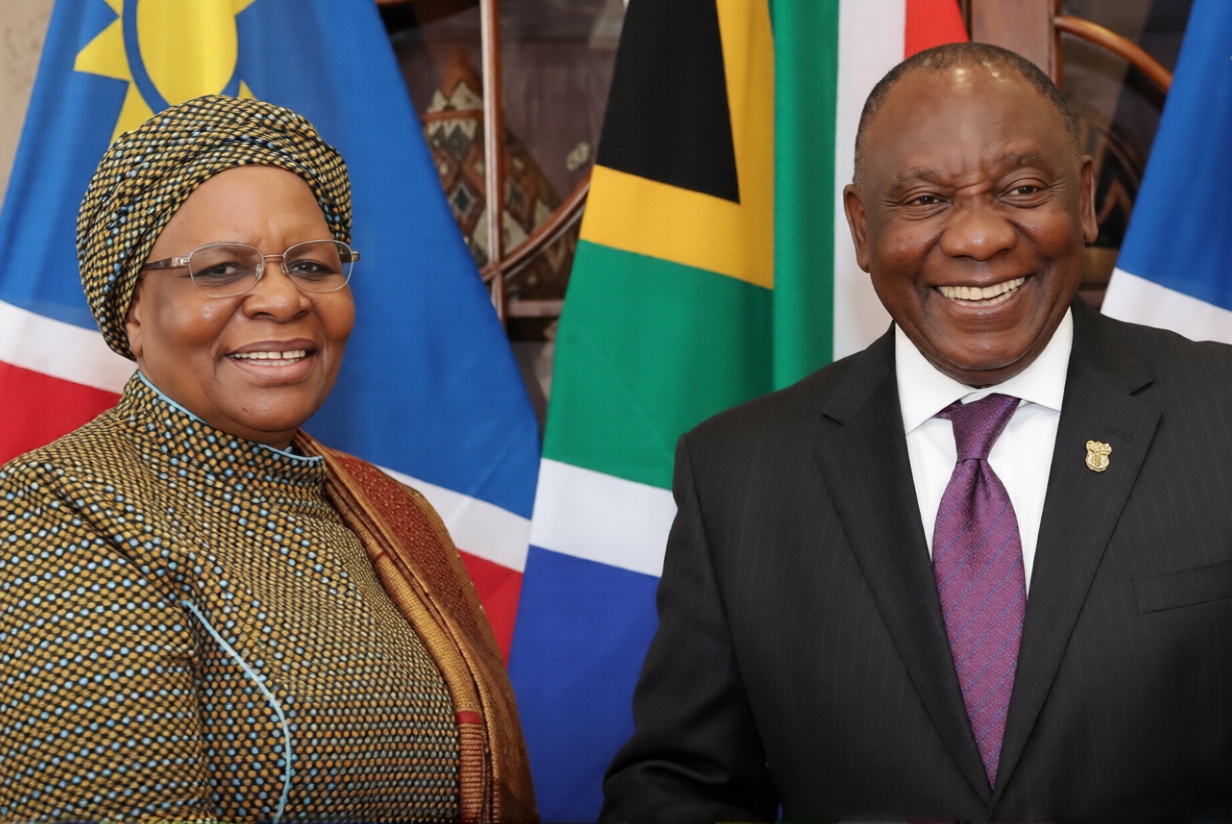
Speaking alongside Namibian President Netumbo Nandi-Ndaitwah at the opening of the fourth South Africa–Namibia Binational Commission (BNC) in Pretoria on Friday, Ramaphosa said the continent must seize the opportunity to beneficiate its natural resources and create jobs at home instead of exporting wealth abroad.
“Our objective should be to build regional value chains that produce finished products rather than merely exporting raw materials,” Ramaphosa said.
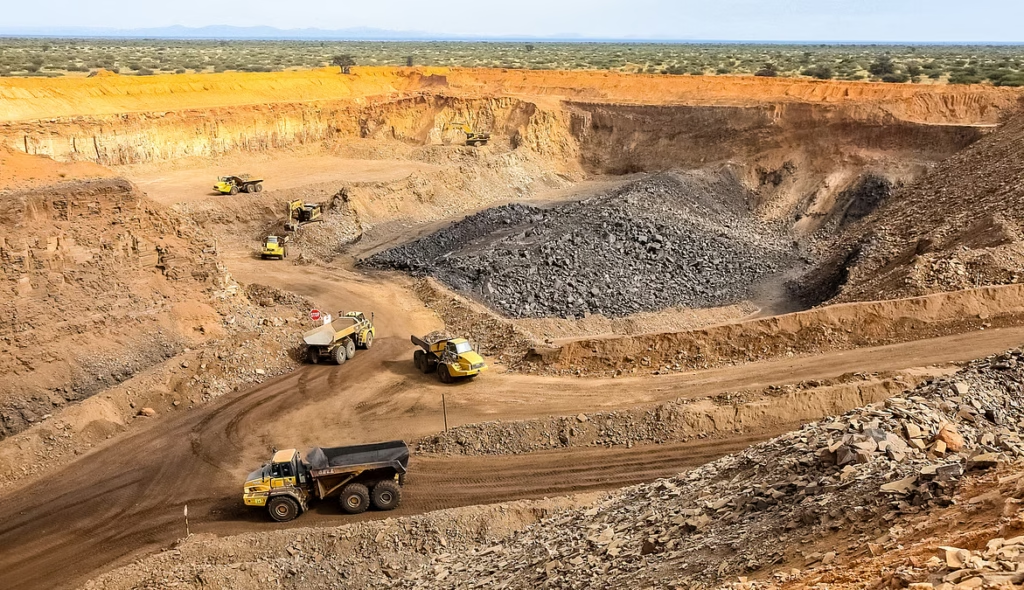
“For far too long, Africa has exported opportunity while importing prosperity.”
He said Africa possessed the minerals, energy resources and agricultural potential needed to shape the global economy, but questioned whether the continent was prepared to capture the value generated from those resources.
“The days when our minerals leave our shores simply as rock and dust must steadily come to an end,” Ramaphosa said.
“Instead, we should increasingly process, refine, manufacture and innovate here in Southern Africa, creating value for our own economies and opportunities for our own people.”
The two leaders co-chaired the fourth session of the BNC, the highest formal mechanism governing relations between South Africa and Namibia since its establishment in 2013.
Ramaphosa said the success of the commission would not be measured by the number of agreements signed but by how effectively they were implemented.
“The true measure of our success will not be in the number of agreements that we have signed, but the effectiveness with which we implement them. Implementation must now become our foremost priority.”
Energy cooperation featured prominently during the talks, with Ramaphosa describing the Orange Basin as one of the world’s most promising new energy frontiers.
The Orange Basin is a massive 160,000 km² frontier petroleum basin located offshore along the western coasts of South Africa and Namibia. It is one of the world’s most promising deepwater oil and gas provinces, spanning water depths from 750 m to over 4,200 m.
Ramaphosa said recent offshore oil and gas discoveries presented an opportunity for South Africa and Namibia to build an integrated regional energy economy spanning exploration, refining, petrochemicals, logistics, maritime services and advanced manufacturing.
“We congratulate Namibia on its remarkable offshore discoveries, which have rightly attracted global attention,” Ramaphosa said.
“Given our shared geology and geographic proximity, there is a compelling case for closer collaboration.”
He also highlighted opportunities for cooperation in green hydrogen, pointing to South Africa’s Boegoebaai Deepwater Port and Green Hydrogen Development Programme as a potential industrial corridor linking the two countries.
Beyond energy, Ramaphosa said both governments should deepen cooperation in mining, geological research and water resource management while encouraging greater trade and investment.
Boegoebaai Deepwater Port is a proposed R13.8 billion greenfield megaproject in the Northern Cape. Located 20 km from the Namibian border, it will feature dry bulk and break-bulk berths.
The project includes a 550 km rail line and a massive adjacent Namakwa Special Economic Zone (SEZ). The port aims to serve as a critical export hub for South Africa’s emerging green hydrogen economy and regional mining commodities.
Ramaphosa said unnecessary trade barriers and improving transport corridors would be critical to unlocking the full benefits of the African Continental Free Trade Area.
Namibia’s President Netumbo Nandi-Ndaitwah echoed the call for stronger regional integration, saying the BNC represented more than a diplomatic engagement between neighbours.
“Our political freedom was attained, but the struggle for the total emancipation of our people requires us to deliver tangible economic benefits for the mutual benefit of our people,” she said.
She said South Africa and Namibia had a responsibility to cooperate in good faith as neighbouring countries.
“As neighbours, we have no choice but to cooperate in good faith, guided by the spirit of good neighbourliness and the common good of our people.”
Nandi-Ndaitwah thanked South Africa for its R100 million presidential drought relief project, which has funded borehole installations across Namibia.
She said the project demonstrated the deep ties between the two countries and confirmed that the remaining R27 million allocated for the second phase would be used to complete additional boreholes.
“By expanding access to clean, reliable water in an arid country like Namibia, these projects strengthen livelihoods and reaffirm our responsibility to one another.”
She also proposed formalising plans to transmit electricity from Angola through Namibia to South Africa, saying regional energy infrastructure remained essential for industrialisation and economic integration.
“I therefore propose that we mandate our ministers responsible for energy to engage their Angolan counterparts to formalise the proposal to transmit electricity from Angola through Namibia to South Africa,” she said.
While welcoming future cooperation on clean and nuclear energy, Nandi-Ndaitwah said Namibia was still finalising its legal and policy framework before such collaboration could proceed.
Both leaders also reaffirmed their commitment to regional peace and multilateral cooperation.
Ramaphosa said South Africa and Namibia remained concerned about ongoing conflicts in the eastern Democratic Republic of Congo, Cabo Delgado in Mozambique, Sudan, South Sudan and parts of the Sahel.
“Without peace, there can be no investment. Without security, there can be no sustainable development,” he said.
The two presidents also reiterated their support for reform of global governance institutions, including the United Nations Security Council, while pledging continued cooperation on migration, regional integration and implementation of the African Union’s Agenda 2063.
In addition, Nandi-Ndaitwah expressed confidence in South Africa’s upcoming local government elections and wished the country well ahead of the 4 November polls.
“We believe the elections will be conducted peacefully, as South Africa has always done.”