March and March leader Jacinta Ngobese-Zuma has defended the nationwide demonstrations planned for June 30, insisting they will be peaceful and dismissing claims that the movement is encouraging vigilantism or violence against foreign nationals.
Addressing a media briefing on Tuesday alongside representatives from several civil society organisations, Ngobese-Zuma said the protests were aimed at pressuring the government to enforce immigration laws, strengthen border security and tackle what organisers describe as a growing illegal immigration crisis.
“The 30th of June was never about violence. It was never about shutting down the country. It was never about harming anyone,” she said. “All we are asking for is for illegal immigrants to leave the country and for government to enforce the laws that already exist.”
The June 30 campaign has become a focal point for an expanding coalition of organisations that have joined March and March’s push against illegal immigration. According to organisers, communities across South Africa have rallied behind the initiative because they believe government has failed to address concerns over porous borders, strained public services and rising unemployment.
Ngobese-Zuma said the movement had always operated within the confines of the law and consistently engaged authorities before undertaking demonstrations or other activities.
“We always make applications. We always engage the police. We understand what the law requires,” she said.
She reiterated that the movement would not abandon its campaign until its objectives had been achieved.
“We will continue until we win. For us, winning means secure borders, the removal of people who are in the country illegally, and putting South Africans first.”
Her remarks come as the movement faces mounting criticism from political parties, human rights organisations and migrant advocacy groups, which have accused it of fuelling xenophobic sentiment.
However, Ngobese-Zuma rejected those allegations, insisting that the campaign is centred on law enforcement and not hostility towards foreigners.
“None of what we are saying is about hatred. It has nothing to do with fearing migrants or not loving them. It is about us as South Africans trying to protect the little that we have left and ensuring that the laws of the country are enforced,” she said.
The movement has repeatedly argued that undocumented migration has contributed to overcrowding in schools and hospitals, increased pressure on public resources and reduced economic opportunities for South Africans.
Ngobese-Zuma said responsibility for the situation lay squarely with the government.
“If anyone must take responsibility, it is those who allowed illegal immigration in the first place. The government must secure the borders, enforce the laws and protect its citizens.”
She further criticised what she described as government’s failure to adequately equip immigration enforcement agencies and monitor visa overstayers, warning that the country faced an escalating security challenge.
The briefing also underscored the role of a broader network of civil society organisations that have long campaigned on immigration issues. Organisers said the June 30 demonstrations were not the initiative of a single organisation but reflected frustrations shared by communities across the country.
“We never said anything about a shutdown. We never said anyone must be harmed. We never said anyone must be violated. What we are calling for is the enforcement of the law,” Ngobese-Zuma said.
She added that the coalition intended to continue mobilising after June 30 and would engage political parties ahead of the local government elections to ensure immigration enforcement remained a key political issue.
The movement has also vowed to hold political parties accountable for promises made on immigration, border management and local economic development.
Despite concerns that the demonstrations could trigger tensions, Ngobese-Zuma maintained that organisers remained committed to peaceful action and accused critics of deliberately misrepresenting the movement’s intentions.
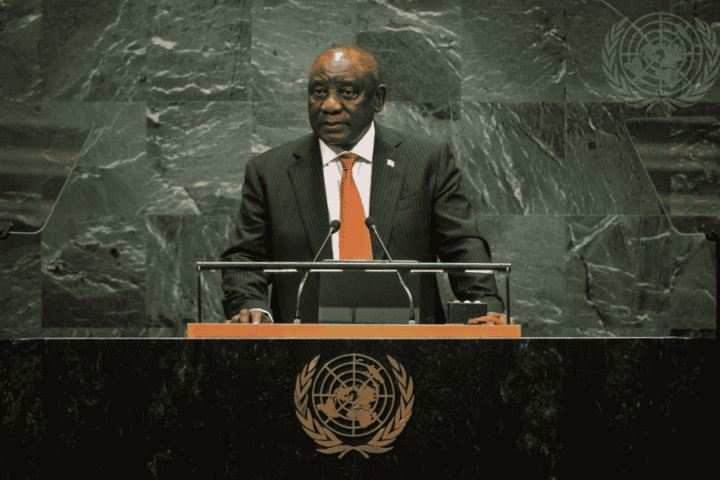
The government has yet to formally respond to the coalition’s June 30 demands. However, President Cyril Ramaphosa has previously warned against vigilante action and stressed that immigration enforcement falls under the responsibility of the Department of Home Affairs.