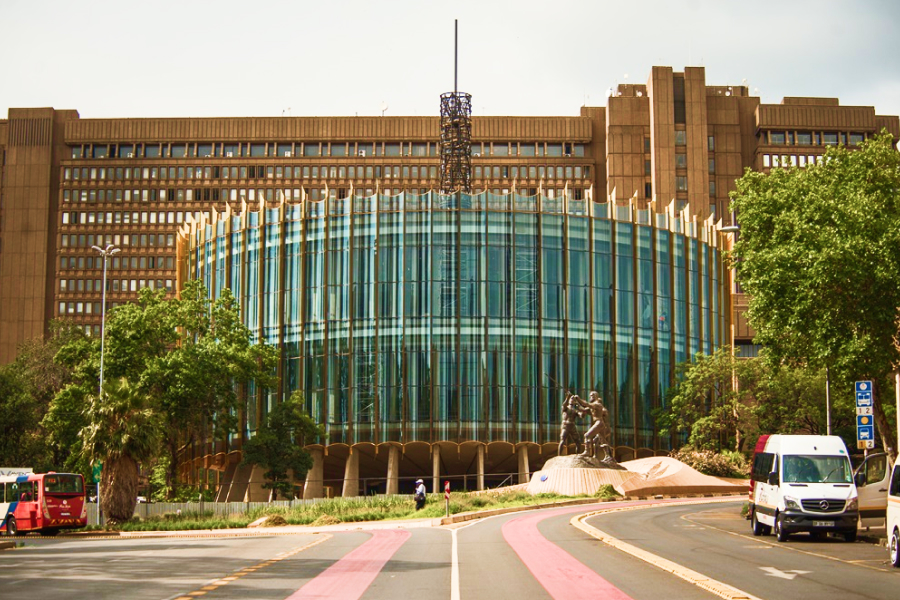
The City of Johannesburg has become trapped in a cycle of regression marked by ongoing poor governance, weak accountability, mounting financial losses and deteriorating service delivery, the Auditor-General of South Africa (AGSA) has warned.
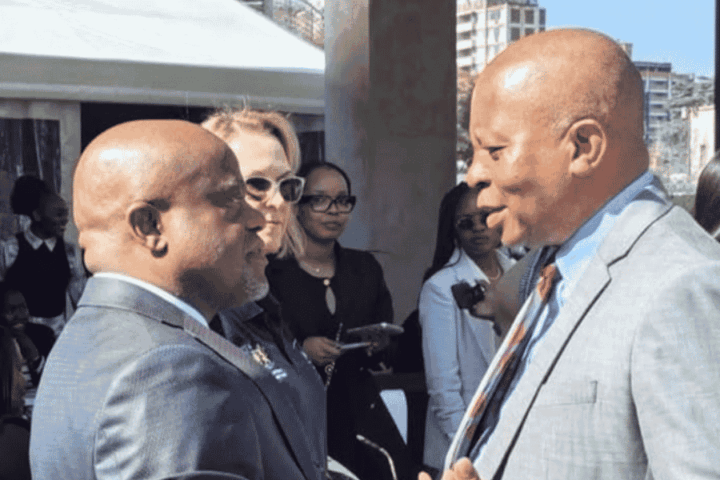
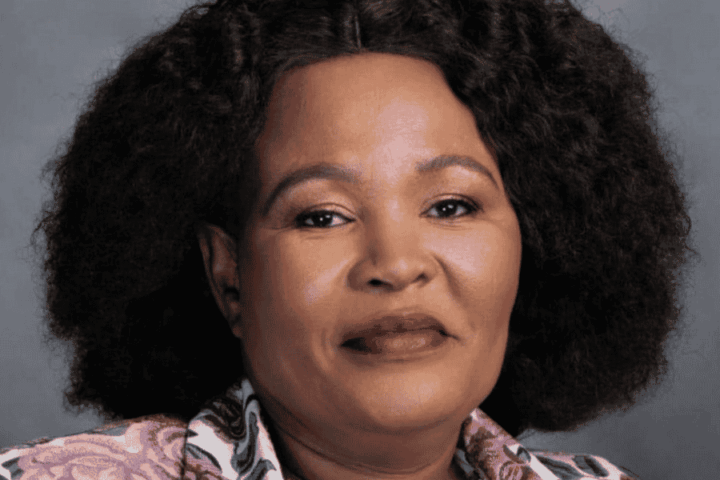
Presenting the city’s 2024/25 audit outcomes before Parliament’s Standing Committee on Public Accounts (Scopa) on Tuesday, AGSA business unit leader Fhumulani Rabonda said the majority of Johannesburg’s municipal entities remain stuck in an environment of poor governance and inadequate accountability.
The warning comes after the city’s core municipality regressed from an unqualified audit opinion to a qualified audit opinion, a setback the Rabonda attributed to persistent weaknesses in financial reporting, internal controls and oversight.
Rabonda said the majority of the municipal entities remain trapped in a cycle of regression and the city’s accountability environment remains deeply concerning.
“In terms of accountability, this means something is not working and the city is unable to make credible decisions, or there is non-compliance with legislation, or there is performance information that is not reliable and it is maintaining an environment that has a disregard for the law.”
“We know that with an environment that has got a disregard for law, it’s a fertile ground for unscrupulous conduct to happen.”
“That is why we are calling out the auditee that is sitting in this amber environment for a very long time.”
Financial house in disarray
The AGSA report paints a picture of a municipality under severe financial pressure.
According to the audit outcomes, Joburg’s financial health remains concerning due to liquidity constraints, rising debt levels and persistent challenges in collecting revenue owed to the city.
Among the most alarming findings was the write-off of R9.5 billion in debt.
Rabonda said R9 billion of this amount related to consumer debt owed by residents and businesses that had consumed municipal services but were either unable to pay or whose debt the city was unable to recover.
He also highlighted significant losses in the city’s electricity and water networks.
Rabonda said City Power recorded electricity losses of 30%, amounting to R5.7 billion during the financial year.
Of this amount, Rabonda said R3.9 billion related to non-technical losses largely caused by electricity theft, meter bypassing, illegal meter calibration, damaged meters, faulty transformers, billing errors and customers without meters.
Johannesburg Water, meanwhile, recorded water losses of 45%, amounting to R2.8 billion.
These are not mere technicalities, he said, they represent billions of rands in potential revenue loss through electricity theft, meter tampering, illegal connections, water leaks and deteriorating infrastructure.
Rabonda stressed that these losses were listed as emphasis-of-matter findings in the financial statements.
“These items are not audit findings, but they are matters we consider important enough to draw the attention of users of the financial statements to,” he explained.
He said their report further found that unauthorised, irregular, fruitless and wasteful expenditure remains entrenched across the municipality.
He said they attributed this to poor record keeping, weak review processes, ineffective risk management systems and failures to implement preventative controls.
Service delivery targets missed
Rabonda said the city’s governance failures are increasingly reflected in its ability to deliver services.
The audit found that achievement of planned service delivery targets remains low, with infrastructure development and refurbishment projects reaching only 36% of their intended targets.
The quality of performance reporting also remains a concern.
Rabonda said AGSA continued to identify material findings because the city was unable to provide sufficient evidence to support claims that strategic objectives had been achieved.
“The quality of performance reporting remains concerning due to material findings reported as a result of a lack of adequate evidence to substantiate achievement for the strategic priority,” he said.
lInfrastructure failures laid bare
The report also detailed a deteriorating