Women entrepreneurs have been called to rethink traditional approaches to agriculture and agro-processing by embracing innovation, adding value to local resources and drawing on indigenous knowledge to build sustainable businesses.
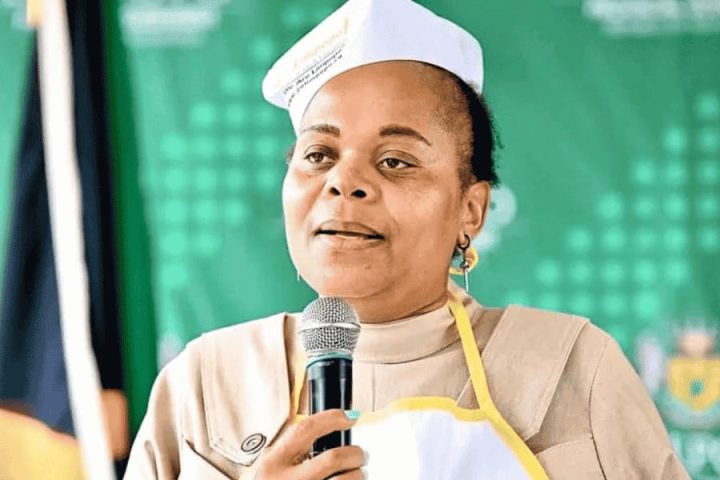
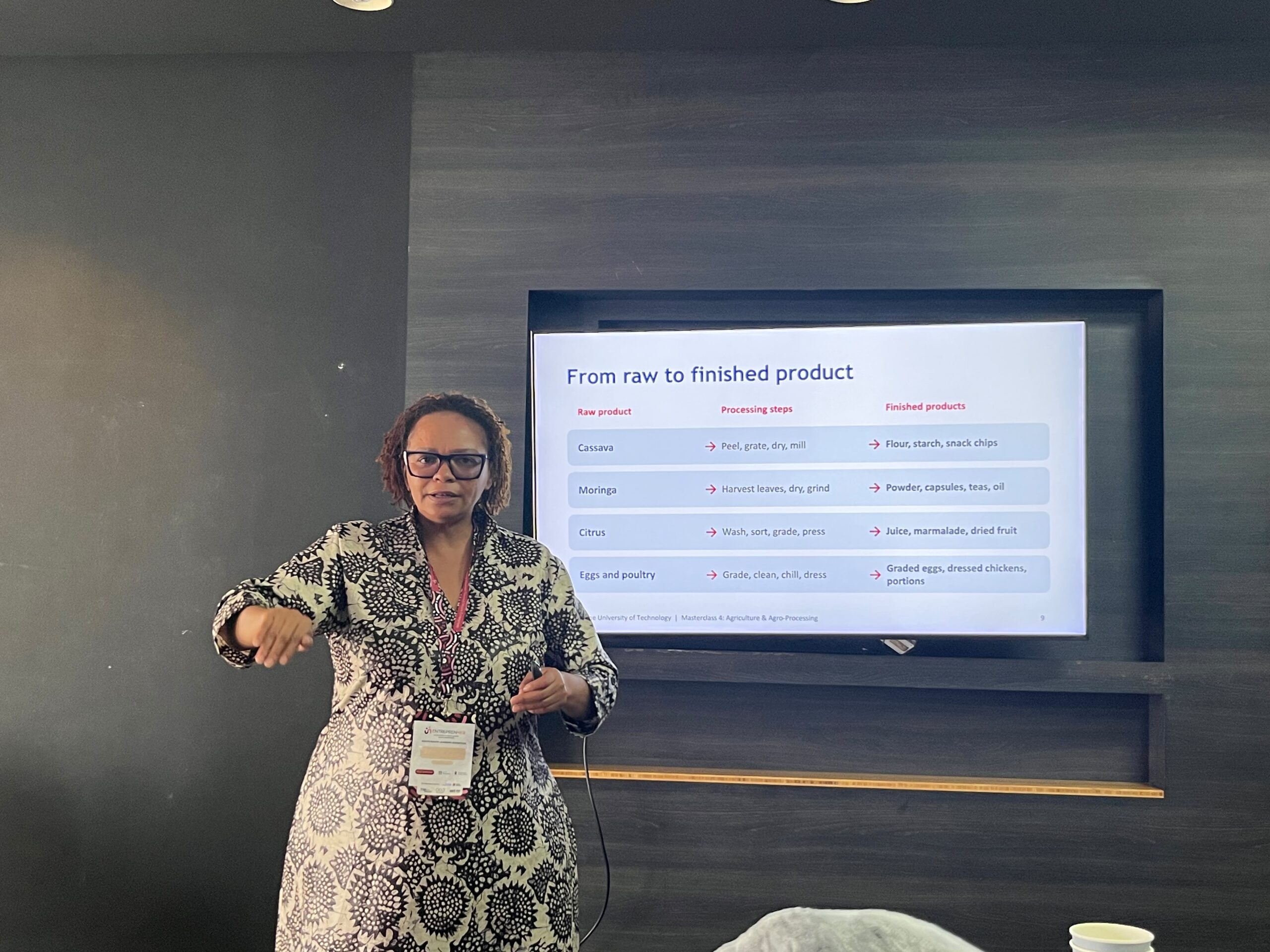
The call was made by Mary-Ann from Tshwane University of Technology (TUT) during an agriculture and agro-processing masterclass at the 2026 EntreprenHER South-South Learning and Market Access Expo in Polokwane.
Speaking to women entrepreneurs, Mary-Ann stressed the importance of becoming future-focused and adapting to changing economic and environmental conditions, particularly the effects of climate change on agricultural production.
“How are we being future-focused? How are we making sure that we are future-ready? We cannot do business the same way we’ve done it in the olden days. We have got to move. We’ve got to innovate. We’ve got to see around corners,” she said.
She encouraged participants to identify problems within their communities and develop products and services that respond to those needs, arguing that successful businesses should be built around solutions to customer challenges.
“What problem are you solving? Ask yourself that question. Whether you are in beauty or agriculture, what problem are you solving through your business?” she asked.
Mary-Ann highlighted the importance of looking beyond primary agricultural production and exploring opportunities in processing, branding, packaging and market access.
“Where the value is in our businesses is in our processing, our branding and our markets,” she said.
She used examples of entrepreneurs who were finding ways to transform locally available resources into commercially viable products, including using rabbit waste to produce organic fertiliser and processing surplus tomatoes into tomato powder to extend their shelf life.
Edith Magwira, a jam producer, was among the entrepreneurs whose business showed how agricultural products could be developed into different offerings. Her approach of using original fruits rather than purees also demonstrated how producers could respond to growing consumer interest in healthier food options.
Mary-Ann also encouraged entrepreneurs to explore indigenous foods and traditional resources as opportunities for innovation and product development.
An entrepreneur participating in the discussion echoed the importance of reconnecting with traditional knowledge and African resources, calling for a return to indigenous practices and locally available products.
The discussion highlighted opportunities to develop products from indigenous ingredients and resources instead of relying exclusively on imported products and conventional approaches.
Mary-Ann further encouraged participants to consider how agricultural waste and other discarded materials could become valuable business resources, highlighting examples from other African countries where water hyacinths were being transformed into shopping bags and used tyres and plastics were being repurposed into alternative building materials.
She said entrepreneurs needed to consider the environmental and social impact of their businesses alongside profitability.
“We only have this one planet. If we ruin it, it’s over,” she said, adding that responsible business practices should consider the planet, people and profits.
Collaboration among women-owned businesses was another key theme, with Mary-Ann encouraging entrepreneurs to move away from competition towards working together to create new opportunities.
“Instead of competition, think of co-opetition. If we start thinking of co-opetition, working together to make something new, something beautiful, we will go far,” she said.
She also urged entrepreneurs to embrace technology and use digital platforms for business research, marketing and innovation, rather than limiting their online activities to entertainment.
“Everything that somebody is telling you, they’ve read it somewhere. Apply technology,” she said, encouraging participants to use available digital tools to research products, identify market gaps and improve their businesses.
However, she cautioned against blindly following unverified information and product trends circulating on social media, emphasising the importance of research, product testing and compliance with relevant standards.
Mary-Ann encouraged entrepreneurs not to wait until their products and businesses were perfect before introducing them to the market.
“You fly the plane while you are building the plane. That’s how we make businesses,” she said.
She urged women to identify opportunities for growth, improve their products and explore ways of reaching new markets, adding that knowledge-sharing and collaboration could help strengthen women-owned enterprises.
The session concluded with a call for entrepreneurs to look beyond simply selling products and consider how they could add value, create employment and build businesses that respond to the needs of their communities — by innovating forward while returning to their roots.