
LIMPOPO Premier Dr Phophi Ramathuba has called on shoppers to respect and support the women traders at the historic Tshakhuma Fruit Market, saying their decades-long struggle is a powerful story of resilience and determination.
Ramathuba delivered the keynote address during a luncheon with women from the Tshakhuma Fruit Market, where she described the market’s history as a “masterclass in endurance”.
The market was established around 1968, with traders initially operating under the shade of trees and conducting business using old shillings and 25-cent coins.
Ramathuba said the women who pioneered the market endured difficult conditions and harassment from the then Transvaal Provincial Administration, which routinely chased them away.

She said their mothers risked their lives and refused to surrender despite the challenges they faced.

“They refused to bow down,” Ramathuba said, reflecting on the determination of the women who laid the foundation for what has become a well-known fruit market.
However, the Premier expressed concern about the manner in which some customers treat traders at the market.
She criticised shoppers who demand a “top-up”, commonly known as “basela”, when buying from the traders, while willingly paying the full price at major supermarket chains.
Ramathuba questioned why customers would negotiate aggressively with hardworking women at Tshakhuma while accepting prices without question at supermarkets such as Shoprite, Pick n Pay and Boxer.
“This must stop! We must respect, support and value the dignity of our mothers who toil through freezing winters and scorching summers,” she said.
The Premier said the traders’ contribution should not be measured only by the fruit and other produce they sell, but also by the decades of sacrifice that have gone into sustaining the market.
She urged customers and the broader community to recognise the women as entrepreneurs who have built livelihoods under challenging circumstances.
The Tshakhuma Fruit Market remains an important trading point, with generations of women continuing the tradition started by their predecessors nearly six decades ago.
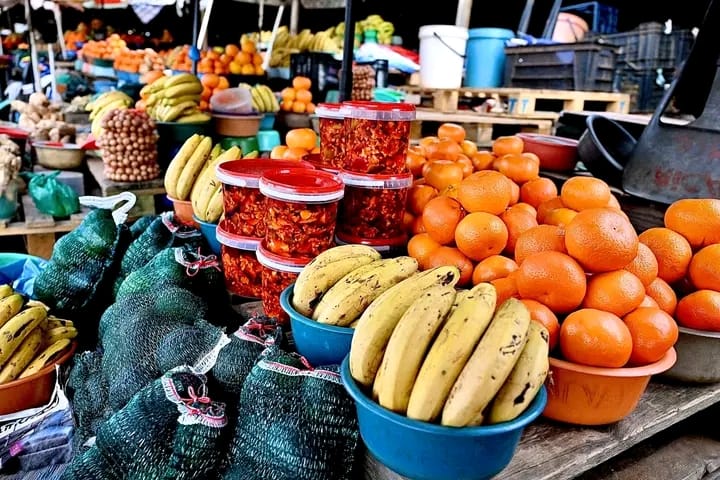
For Ramathuba, supporting these traders is therefore not simply about buying fruit—it is about recognising their history, resilience and dignity.