President Cyril Ramaphosa has used the 50th anniversary of the 1976 Soweto Uprising to confront some of the country’s most pressing challenges, acknowledging growing public frustration over unemployment, crime and illegal immigration while warning against blaming foreign nationals for South Africa’s problems.
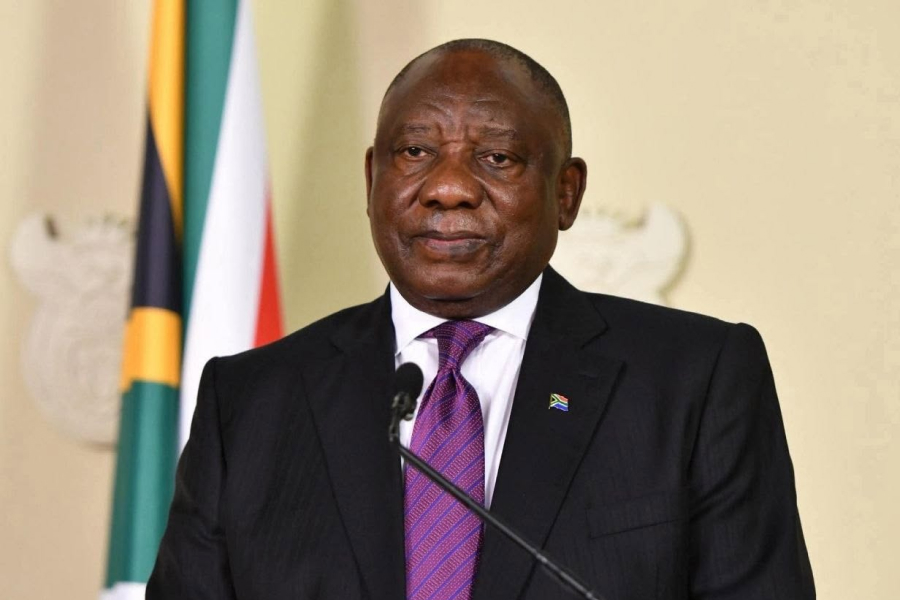
Delivering the keynote address at the National Youth Day commemoration at Nasrec , south of Joburg on Tuesday, Ramaphosa said the country still faced deep socio-economic challenges despite the gains made since the end of apartheid.
The president’s remarks come amid growing tensions around illegal immigration, with anti-immigration protests having spread across parts of the country in recent weeks and some groups demanding that undocumented foreign nationals to leave South Africa.
“Faced with these challenges, there are some who blame the problems of unemployment and crime and poor service delivery on foreign nationals,” Ramaphosa said.
“Even as we recognise the challenge of illegal immigration, of having undocumented migrants in our country, which we are taking decisive action to address, our problems are in the main our own problems and which we have a responsibility to fix ourselves, working together.”
Ramaphosa said government recognised the frustrations being experienced by communities affected by crime, unemployment and pressure on public services.
“These frustrations are real, and we can never dismiss them,” he said.
However, he argued that the roots of South Africa’s current challenges lie largely in the country’s historical inequalities, slow economic growth and weaknesses in service delivery.
The president’s comments formed part of a broader reflection on the legacy of the June 16, 1976 uprising when thousands of school pupils took to the streets to protest against the apartheid government’s decision to impose Afrikaans as a medium of instruction.
Ramaphosa said the youth of 1976 had not only rejected the language policy but had challenged a system designed to limit the aspirations of black South Africans.
“It was a rejection of the Bantu Education system, which was designed to limit the aspirations of black children and prepare them for lives of servitude,” he said.
“It was a protest against injustice, impoverishment and daily hardship imposed on black children by the cruel system of apartheid.”
As South Africa marks five decades since the uprising, Ramaphosa said the country had a responsibility to ask whether enough had been done to create opportunities worthy of the sacrifices made by previous generations.
“The question before us is whether South Africa is doing enough to create opportunities worthy of the sacrifice that was made by the young people of 1976,” he said.
The president acknowledged that youth unemployment remains one of the country’s greatest challenges, describing the current situation as unacceptable.
“Our youth unemployment rate stands at 46%, which is totally unacceptable,” Ramaphosa said.
“Behind every statistic is a young person who wants to work, who wants to contribute, who wants to build a future and who wants dignity.”
He pointed to graduates who struggle to find employment despite submitting numerous job applications, young entrepreneurs who lack access to capital and skilled artisans unable to secure opportunities.
“We cannot accept this as normal,” he said.
Ramaphosa also highlighted violent crime and theft as major threats to the country’s prosperity and social stability, saying young people are often among those most affected.
Ramaphosa also used the occasion to call on the private sector to give young people a greater opportunity to enter the labour market, arguing that a lack of experience should not become a barrier to employment.
“We therefore call upon employers to hire a young person and not to require them to have experience before you hire them,” he said.
“Bring them in and give them the experience. Bring them in and give them the jobs.”
Ahead of the upcoming local government elections, Ramaphosa said young people should play a central role in rebuilding municipalities and strengthening local government.
The 2026 National Youth Day commemoration was held under the theme “RESET @50 – Our National Commitment to the Future for Freedom Lives in Every Generation” and forms part of a year-long programme reflecting on the legacy of the youth of 1976.
While reflecting on the democratic gains achieved since the end of apartheid, Ramaphosa stressed that freedom must translate into tangible improvements in the lives of young people.
“As we mark the 50th anniversary of the Soweto Uprising, we are called upon to ensure that freedom lives in every generation and to reflect honestly on the work that must still be done so that freedom is felt in the lives of every young person today,” he said.
“The South Africa of today is not the South Africa of 1976. But we must continue working to ensure that the promise of freedom becomes a lived reality for all our young people.”