The Directorate for Priority Crime Investigation (DPCI) , also known as Hawks, has seized approximately 90 kilograms of suspected cocaine with an estimated street value of R36 million at Durban Harbour, in an operation targeting transnational drug trafficking.
The bust took place on 6 June 2026 after members of the DPCI’s Serious Organised Crime Investigation unit, through the South African Narcotics Enforcement Bureau (SANEB), acted on information from Customs officials. The drugs were found concealed inside two excavators that arrived aboard the vessel Neptune Ace Tokyo from Santos, Brazil.
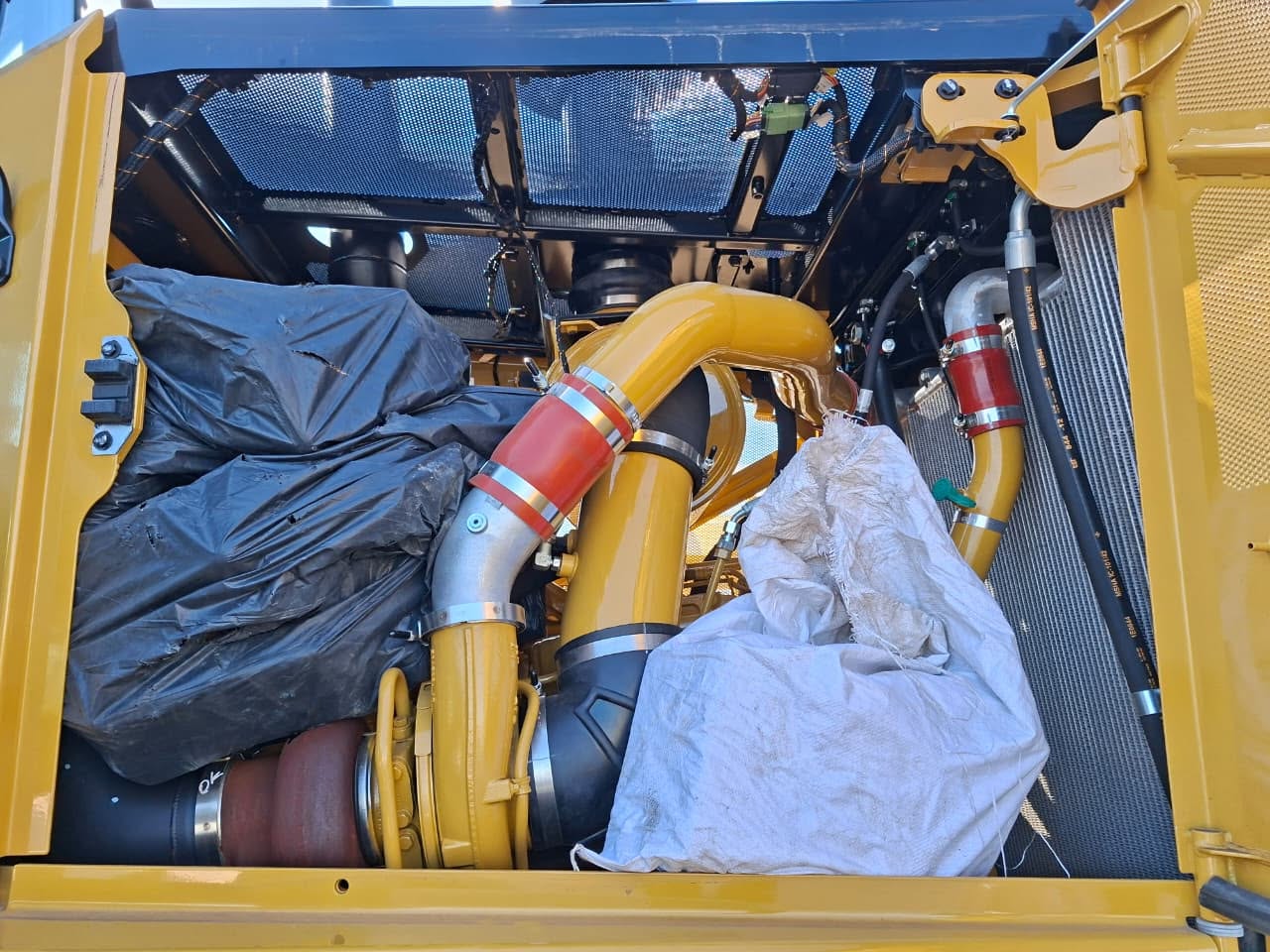
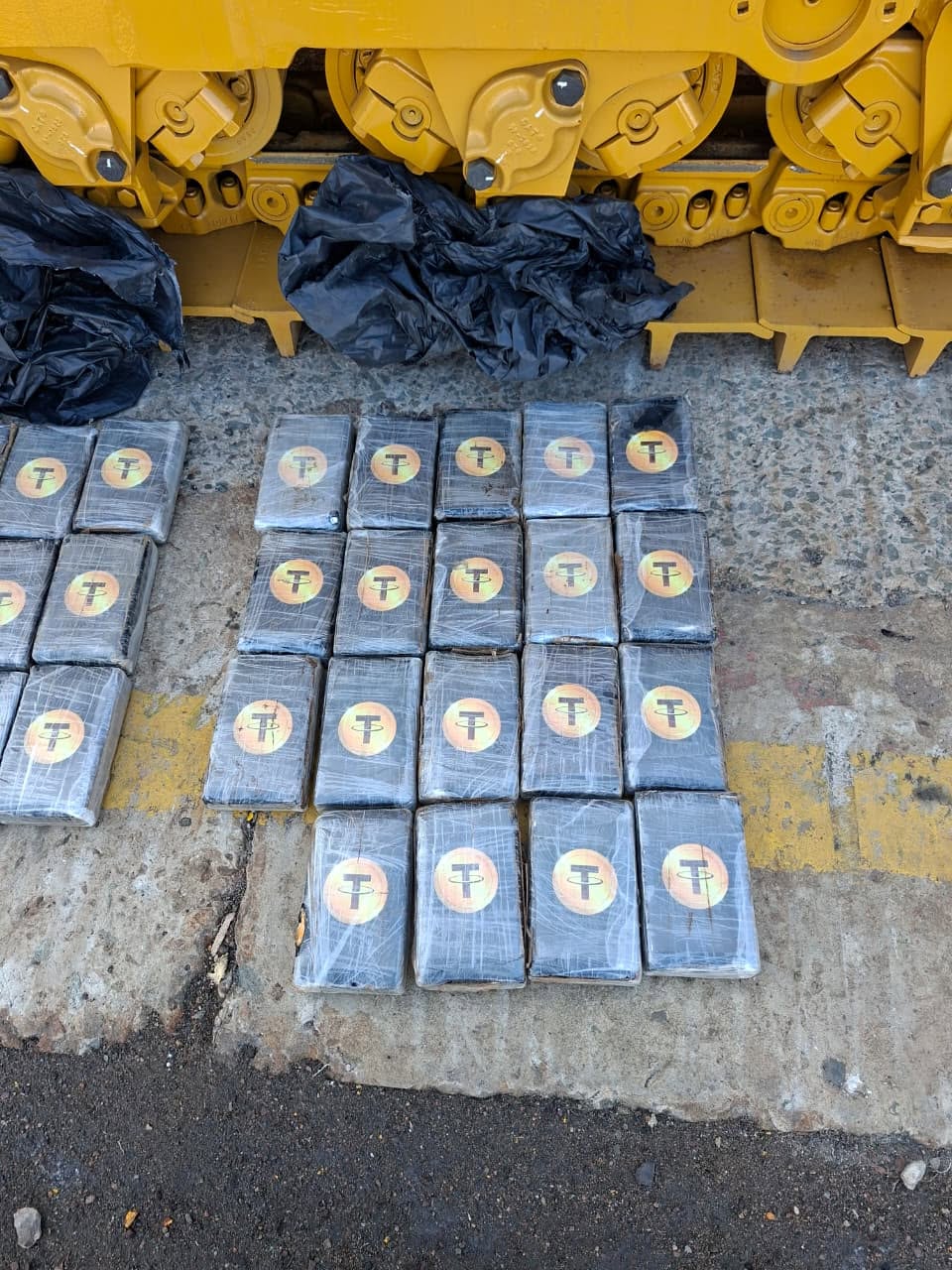
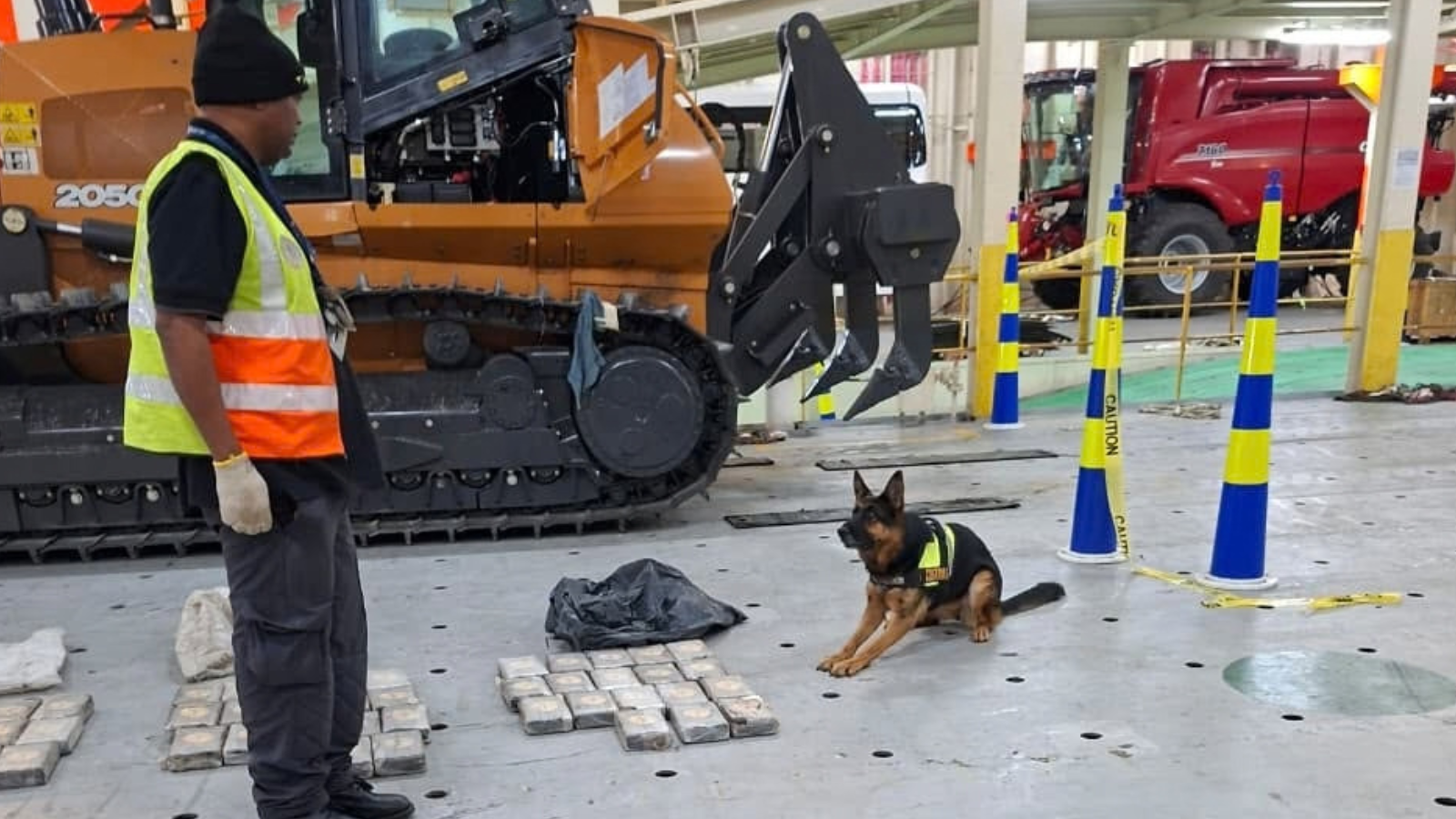
According to a statement issued by police, SANEB members attached to Durban SOCI were alerted by Customs to suspicious cargo at the Q and R Car Terminal. Upon inspection, DPCI officers found suspicious packages hidden inside a panel leading to the engine compartment of the first excavator. A search yielded 47 blocks containing a white powdered substance believed to be cocaine.
While the first scene was being processed, Customs flagged a second excavator that had already been offloaded from the vessel. A further inspection of that machine led to the discovery of 43 additional blocks of the suspected drug. In total, 90 blocks weighing about 90 kilograms were recovered.
Based on an estimated street value of R400 000 per kilogram, the consignment is valued at approximately R36 million, making it one of the larger cocaine seizures at a South African port this year.
No arrests have been made yet. Police said the matter remains under investigation and that exhibits have been sent to the Forensic Science Laboratory for chemical analysis to confirm the substance and trace its origin.
The acting Provincial Head of the DPCI in KwaZulu-Natal, Brigadier Zenobia Mulligan, praised the joint effort between SANEB, Customs, Durban Visible Policing Operations, and the Local Criminal Record Centre. She said the seizure highlighted the importance of collaboration at ports of entry.
“The DPCI remains committed to disrupting transnational drug trafficking networks and safeguarding South Africa’s ports of entry from organised criminal activities, even when our integrity is under scrutiny,” Mulligan said. “We will continue executing our mandate without fear or favour.”
Durban Harbour is one of Africa’s busiest ports and has increasingly been targeted by syndicates using heavy machinery and legitimate cargo to conceal narcotics. Law enforcement agencies have intensified screening of containers and machinery in response, with SANEB playing a central role in narcotics interdictions.
The DPCI said investigations are ongoing to identify the intended recipients of the shipment and to establish links to broader trafficking networks operating between South America and Southern Africa.