The South African Human Rights Commission (SAHRC) has called for urgent legislative reforms to protect children’s privacy and safety online, warning that current laws are failing to keep children safe on platforms never designed with them in mind.
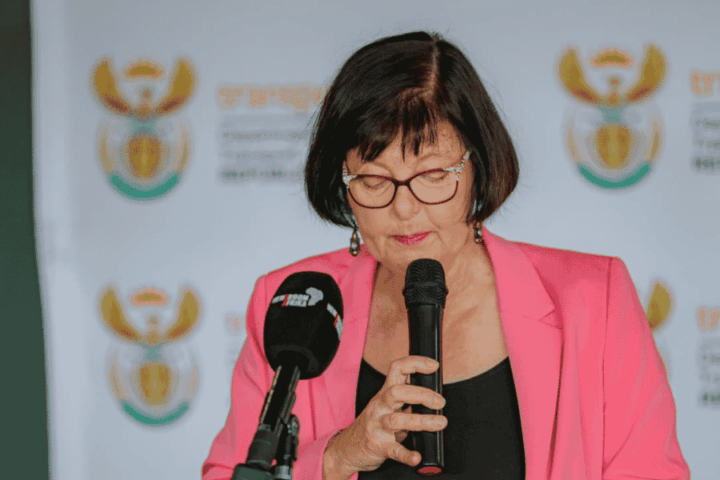
“The Commission found that children are participating in the digital environment that was not designed with their best interests in mind,” said SAHRC Commissioner Nomahlubi Khwinana.
The call is contained in a new report – Children’s Rights to Privacy and Safety on Online Platforms: Legislative Gaps and the Case for Reform – launched by the Commission’s Child Rights Unit on Thursday.
The report follows a stakeholder conference convened by the SAHRC in Johannesburg on 28 March 2026, which brought together government departments, UN agencies, regulators, tech companies, civil society and children from the Commission’s Child Rights Ambassadors programme.
Discussions exposed growing alarm over cyberbullying, harmful content, sexual exploitation, and the harvesting of children’s personal data without protection.
The Commission raised particular concern about violations of privacy through the unauthorised sharing of children’s images and videos on social media, including graphic material involving victims of scholar transport accidents.
According to the report, children’s personal information is routinely collected without meaningful, informed consent, while reporting tools for abuse are inaccessible or inadequate for young users.
“Children’s personal data is routinely collected without meaningful, informed consent, despite the requirements of the Protection of Personal Information Act (POPIA),” the Commission stated.
The report also slams harmful platform design that keeps children hooked, including addictive algorithmic feeds, default data-sharing settings and an absence of effective age verification.
Existing laws, the SAHRC argues, do not address these design harms.
“Technology companies profit from children’s engagement on their platforms while bearing insufficient accountability for resulting harms,” the Commission said.
To fix this, the SAHRC is demanding amendments to five key laws – POPIA, the Children’s Act, the Films and Publications Amendment Act, the Cybercrimes Act and the Electronic Communications and Transactions Act.
Its recommendations include stronger safeguards for children’s personal information, criminal measures to address the abusive sharing of children’s images, mandatory child-friendly reporting mechanisms, enforceable age-verification, and expanded powers for regulators to investigate platforms, including companies operating outside South Africa.
At the heart of the report is The Children’s Declaration, adopted by child participants at the March conference, calling on government, tech firms, schools, parents and civil society to take greater responsibility for protecting children’s rights online.
The SAHRC said it will now take the recommendations to relevant parliamentary portfolio committees and government departments and continue its work through the Child Rights Ambassadors programme.
The proposed reforms are recommendations at this stage and have not yet been adopted into law.