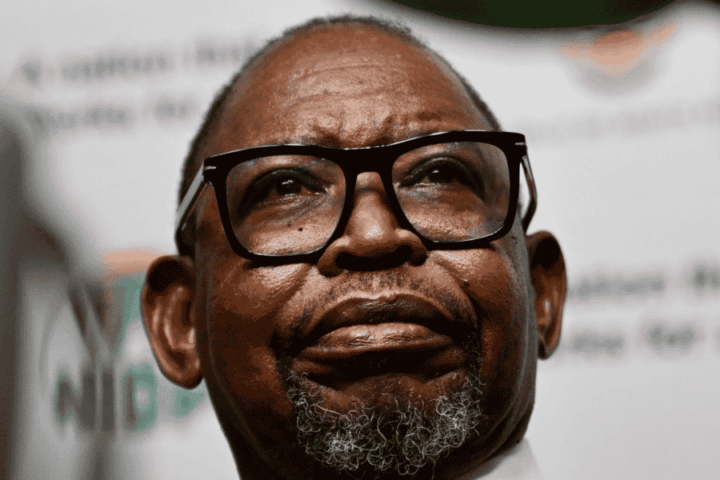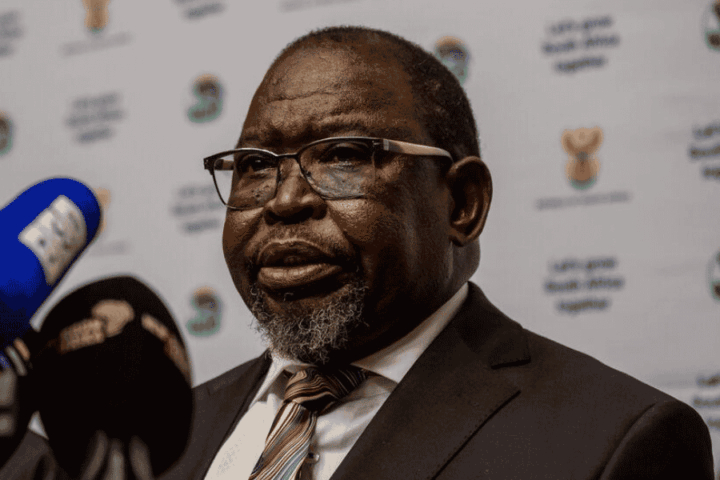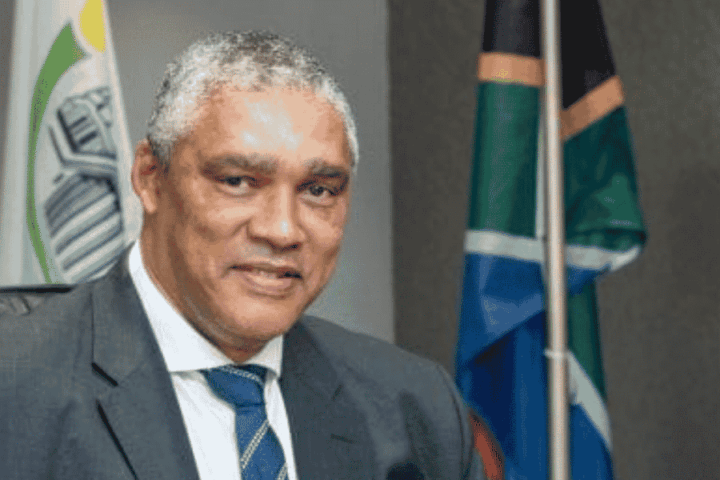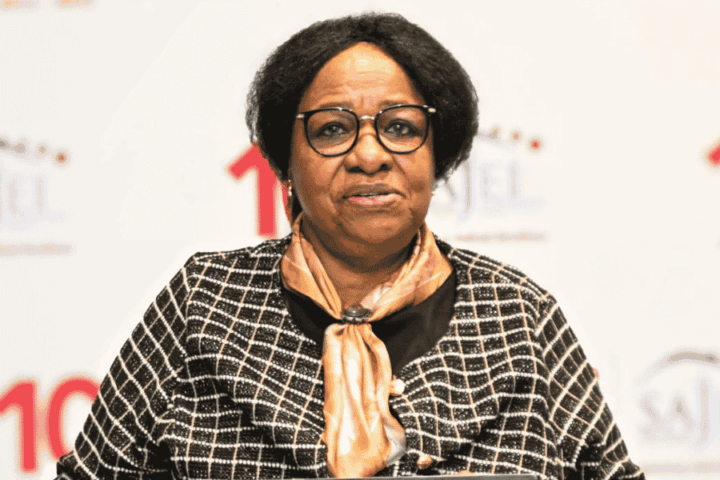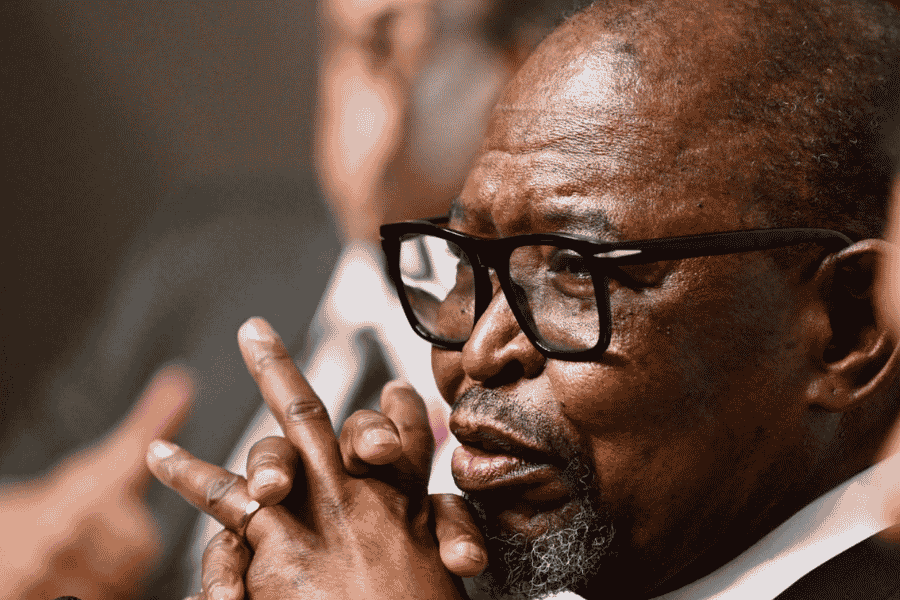
Finance Minister Enoch Godongwana has announced a temporary fuel levy cut worth R10 billion to cushion motorists and businesses from soaring fuel prices, in one of the headline interventions of his Medium Term Budget Policy Statement.
Presenting the fiscal framework in Parliament on Wednesday, Godongwana said government was acutely aware of the pressure rising fuel costs are placing on households and the economy.
“Madam Speaker, we are aware of the pressure that rising fuel prices are placing on households and businesses,” he said.
To provide immediate relief, the fuel levy will be slashed by R3 per litre for diesel and R1.50 per litre for petrol from 4 November 2026 until 1 December 2026.
The relief will then continue at a slightly lower rate until 5 January 2027, with diesel reduced by R1.50 per litre and petrol by R1 per litre.
“These measures will provide R10 billion in support, at a fiscal cost of R10 billion in foregone revenue,” Godongwana said.
The intervention comes as South Africans brace for higher transport and food costs heading into the festive season, with taxi associations, logistics operators and farmers warning that fuel has become a major inflation driver.
Godongwana said the relief would be funded without destabilising the fiscus. The R10 billion that was previously transferred to the Central Energy Fund will be returned to the National Revenue Fund and placed into the Contingency Reserve.
“This intervention will help ease cost of living pressures without compromising the sustainability of the budget,” he said.
The fuel announcement was packaged within a broader fiscal strategy that the minister said rests on four principles: supporting growth through prudent fiscal policy and increased capital investment; improving value for money by driving efficiencies; reducing debt-service costs; and embedding fiscal sustainability through a principle-based fiscal anchor.
Godongwana said that strategy is already showing results.
For the first time in nearly two decades, debt-to-GDP has stabilised at 78.4 percent in 2025/26. The primary surplus is also growing, from 1.7 percent of GDP this year to nearly 3 percent by 2030, while the budget deficit will narrow to 3.9 percent this year compared to 4.0 percent forecast in February, falling to 2.5 percent by 2030.
On revenue, the minister said the outlook for 2026/27 is stronger than expected due to higher collections from corporate tax, dividends tax and VAT. Gross tax revenue has been revised upwards by R17.1 billion to R2.14 trillion this year, rising to R2.53 trillion in 2029/30.
But it was the fuel relief that will be most immediately felt by consumers.
The temporary cut is significant for its scale and timing. A R3 per litre reduction in diesel directly targets the cost base of the transport, mining and agricultural sectors, which government hopes will slow the pass-through of fuel costs to food prices. For petrol motorists, the R1.50 cut provides short-term breathing room during November, traditionally a high-spending period.
Godongwana was careful to frame the move as temporary and fiscally responsible, not a permanent reduction in the levy. By routing the funding through the return of money from the Central Energy Fund, he sought to reassure markets that the relief would not blow a hole in the budget or derail debt stabilisation.
The minister also linked cost-of-living relief to broader efforts to protect the social wage, which he said constitutes 60 percent of non-interest expenditure, including free basic water, electricity and sanitation for over 11 million households and social grants for 18.1 million beneficiaries.