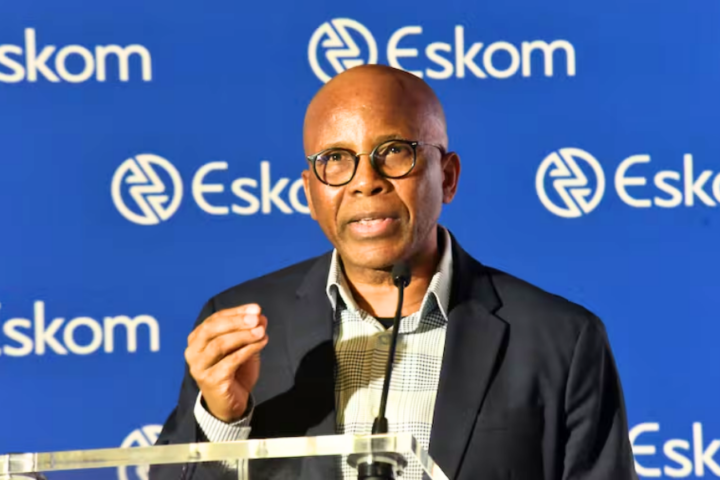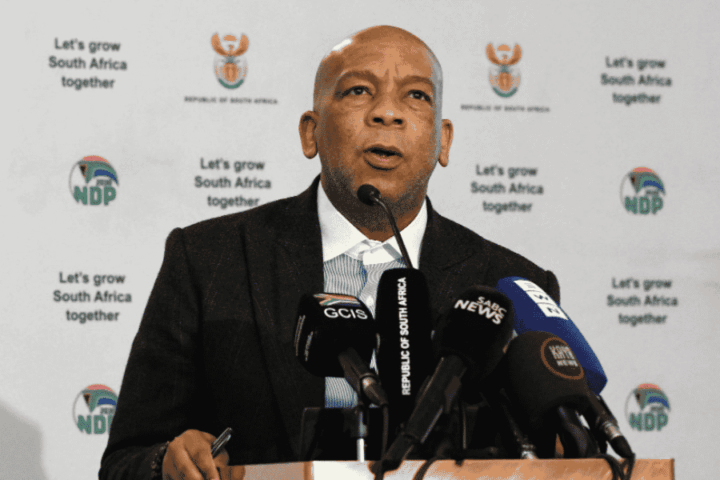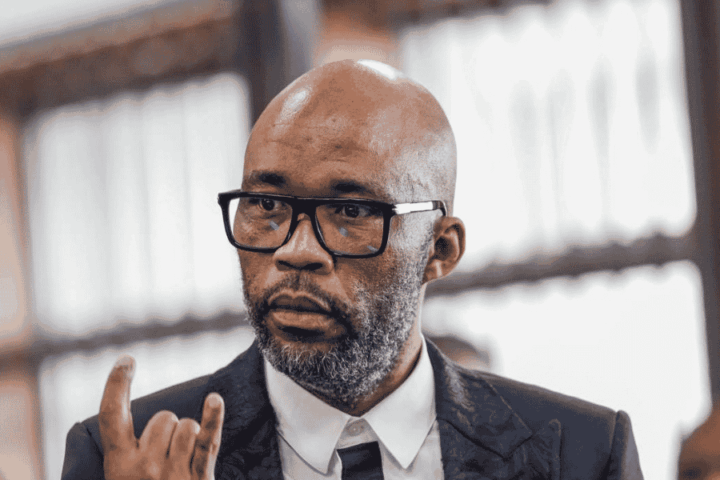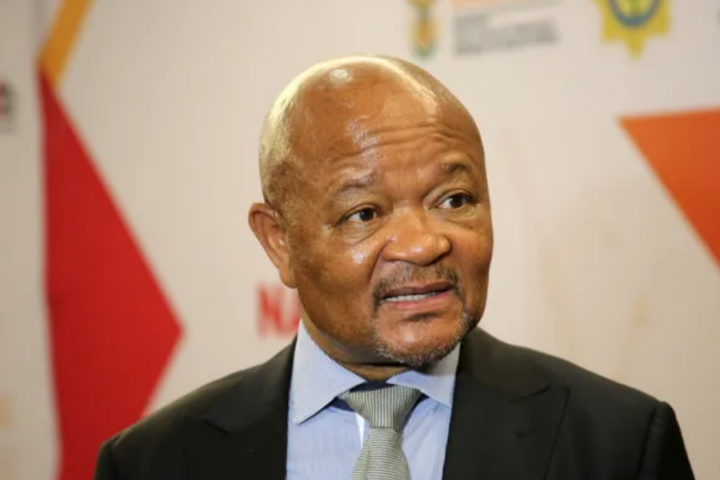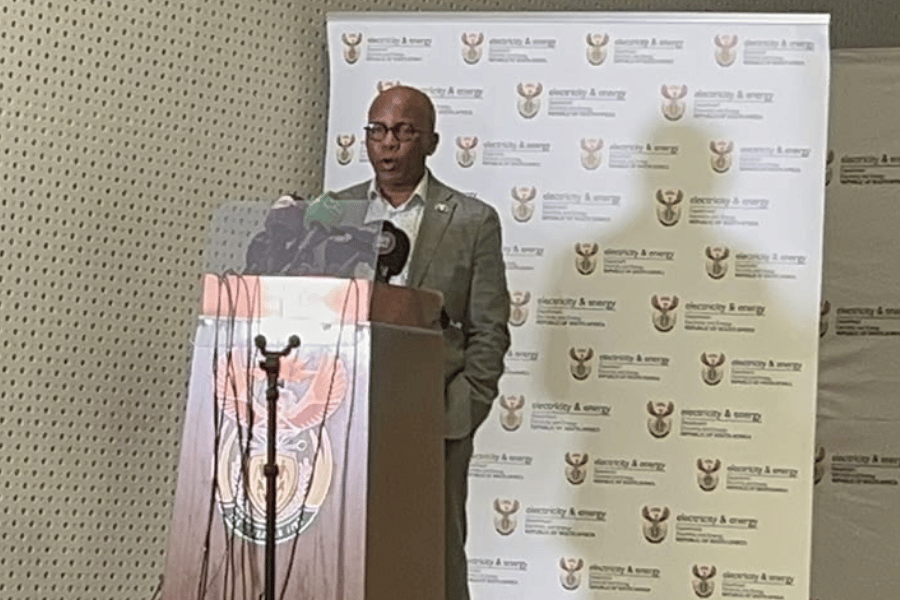
Electricity and Energy Minister Kgosientsho Ramokgopa and Eskom Board Chairperson Mteto Nyati on Friday laid out how South Africa finally defeated load-shedding, telling a Government Communication and Information System (GCIS) briefing in Pretoria that the crisis was beaten not by miracles, but by engineering discipline.
South Africa has now gone more than a year without rolling blackouts, with Eskom confirming it reached 490 consecutive days without load-shedding by 17 September 2026 – the longest streak since the crisis began.
According to Ramokgopa and Nyati, the answer lies in Eskom’s Generation Recovery Plan, which focused on fixing what was already there instead of chasing quick fixes.
Nyati was blunt about what went wrong before, and what had to change.
“We already went down back to basics. Eskom is an engineering company. Engineering requires us to follow certain engineering disciplines. There are standard operating procedures in terms of how to do things. If you follow those procedures, you are bound to do things in the right way,” Nyati told the briefing.
He said the turnaround was built on three pillars: proper maintenance, proper funding, and leadership that actually enforces execution.
For years, Eskom had been accused of skipping maintenance to keep the lights on, running its coal fleet into the ground and then burning billions on diesel to plug the gaps. That cycle, Nyati said, has been broken.
Eskom, he said, finally provided the necessary funds for maintenance, and insisted on discipline in how power stations are operated.
The numbers presented on Friday show a utility transformed.
As of September 2026, Eskom’s financial-year-to-date Energy Availability Factor (EAF) – the key measure of how much of its generation capacity is actually available – had reached 67.96%, its highest level in six years.
Unplanned outages, which were at the heart of load-shedding, had fallen by 6.92% compared to the same period a year earlier, while approximately 3 100MW of generation capacity had returned to the grid.
The most telling figure is the diesel bill.
Diesel expenditure fell by R4.8 billion year-on-year between April and September 2026, while the use of open-cycle gas turbines – Eskom’s expensive emergency backup – declined substantially. In other words, Eskom is no longer burning diesel to keep the country from going dark.
But Ramokgopa warned that the end of load-shedding is not the end of Eskom’s problems.
Keeping the lights on, he said, is only phase one. Phase two is keeping them affordable.
“The country now needs to ensure that electricity remains affordable while Eskom addresses inefficiencies, maintenance requirements and infrastructure constraints,” Ramokgopa said.
The government is now pushing what Eskom is calling “Eskom 2.0” – a new five-year plan to be developed by the board that will focus on sustaining the gains of the Recovery Plan while preparing the utility for a liberalised electricity market.
That plan will include further investment in renewable energy, transmission infrastructure and the maintenance of Eskom’s existing coal fleet, which will remain the backbone for years to come.
Ramokgopa pointed to the 75 MW solar PV project at Lethabo Power Station as an example of how Eskom itself is moving towards adding renewable generation capacity, rather than leaving it entirely to the private sector.