After seven long years of living in darkness, the lights are finally back on in Tswelopele, Tembisa.
On Friday, the community erupted in relief as three new transformers were switched on, ending an electricity nightmare that forced families to survive on paraffin, gas stoves and solar lights while their neighbours a few streets away had power.
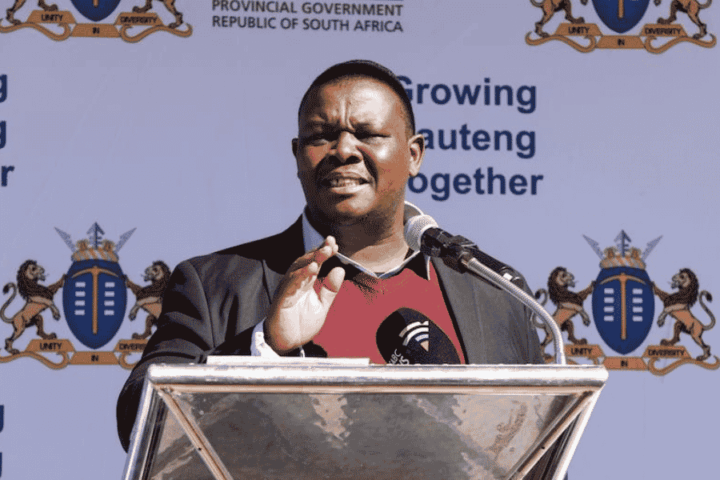
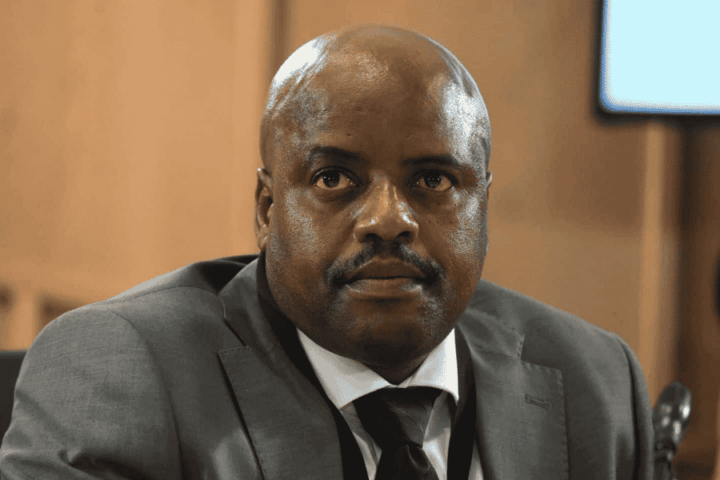
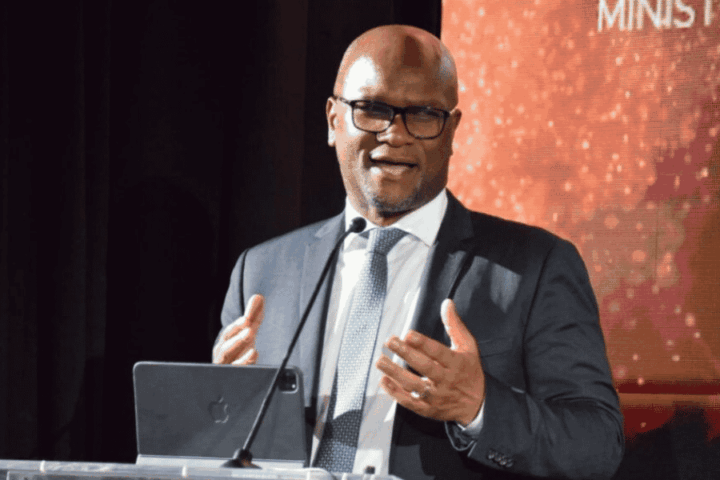
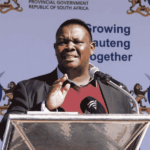
The restoration was led by Minister of Electricity and Energy Dr Kgosientsho Ramokgopa, Gauteng Premier Panyaza Lesufi and City of Ekurhuleni Executive Mayor Cllr Nkosindiphile Xakaza, who personally visited the area to oversee the installation.
For some households, it is the first time they have had electricity since 2019.
One resident, who spoke inside her home that had been without power for seven years, described how appliances had become useless decorations.
“The fridge just stood there, it has nothing in it, as you can also see where the microwave is placed. They dont work,” she said.
For years she cooked on a gas stove, used solar lights at night, and had not been able to use a fridge or microwave. Now, with power restored, she says she is finally planning to use the appliances she could not touch before.
The Tswelopele blackout is not an isolated case. It is part of a much bigger energy crisis in Gauteng driven by overloaded networks and rampant illegal connections.
Lesufi revealed that 20 illegal connections had been found on transformers in Ivory Park, Tembisa alone, costing Eskom and the municipality millions of rand. Many of the connections, he said, were done by unqualified community members, creating dangerous conditions and blowing transformers.
“We did say seven of the nine provinces have ended load reduction,” said Minister Ramokgopa, explaining that Gauteng remains under pressure because of illegal connections and infrastructure vandalism.
“Gauteng is the only Province that gathers every Friday for a meeting to discuss energy matters.”
Lesufi disclosed that the province needs 245 transformers to be fixed in total, and that the provincial energy war room has agreed to install 12 transformers per week to catch up.
“Two weeks ago we carried a story where seven transformers were illegally bought,” Lesufi said, highlighting how the theft and illegal sale of transformers has worsened the crisis.
The three transformers installed in Tswelopele this week are part of that emergency rollout, with a focus now on Gauteng and KwaZulu-Natal as the two provinces most affected by load reduction and infrastructure failure.
To ease the burden on communities that have suffered for years, the City of Ekurhuleni has also announced major relief.
Xakaza confirmed that the City is in communication about a debt write-off, with 100% write-off from 75% of electricity debt owed by community members in the affected areas.
The move is aimed at giving families a fresh start after years of paying for alternative energy while still being billed.
Residents said the inequality within the same community was the hardest to bear – watching other houses with lights, fridges and TVs while their own homes remained dark.
“It is very unfortunate and unfair that houses from some parts of the Tswelopele community have lived so many years with no electricity while the other houses didn’t have to worry about electricity,” one community leader said during the visit.
For years, families had to budget for paraffin, gas refills and solar lights every week just to eat and bathe. The cost, residents said, was crippling.
“Although they are now focusing on Gauteng and Kwa-Zulu Natal, Gauteng is the only Province that gathers every Friday for a meeting to discuss energy matters,” Ramokgopa said, emphasising the province’s coordinated response.