Opinion
As We Vote, South Africa Must Recognise the Regime-Change Playbook
A trade letter, a diplomatic snub and a managed news cycle are not separate events. Ahead of the 4 November vote, South Africa must read the pressure as one pattern.
The views expressed are the writer's own and do not necessarily reflect those of Africa Daily.
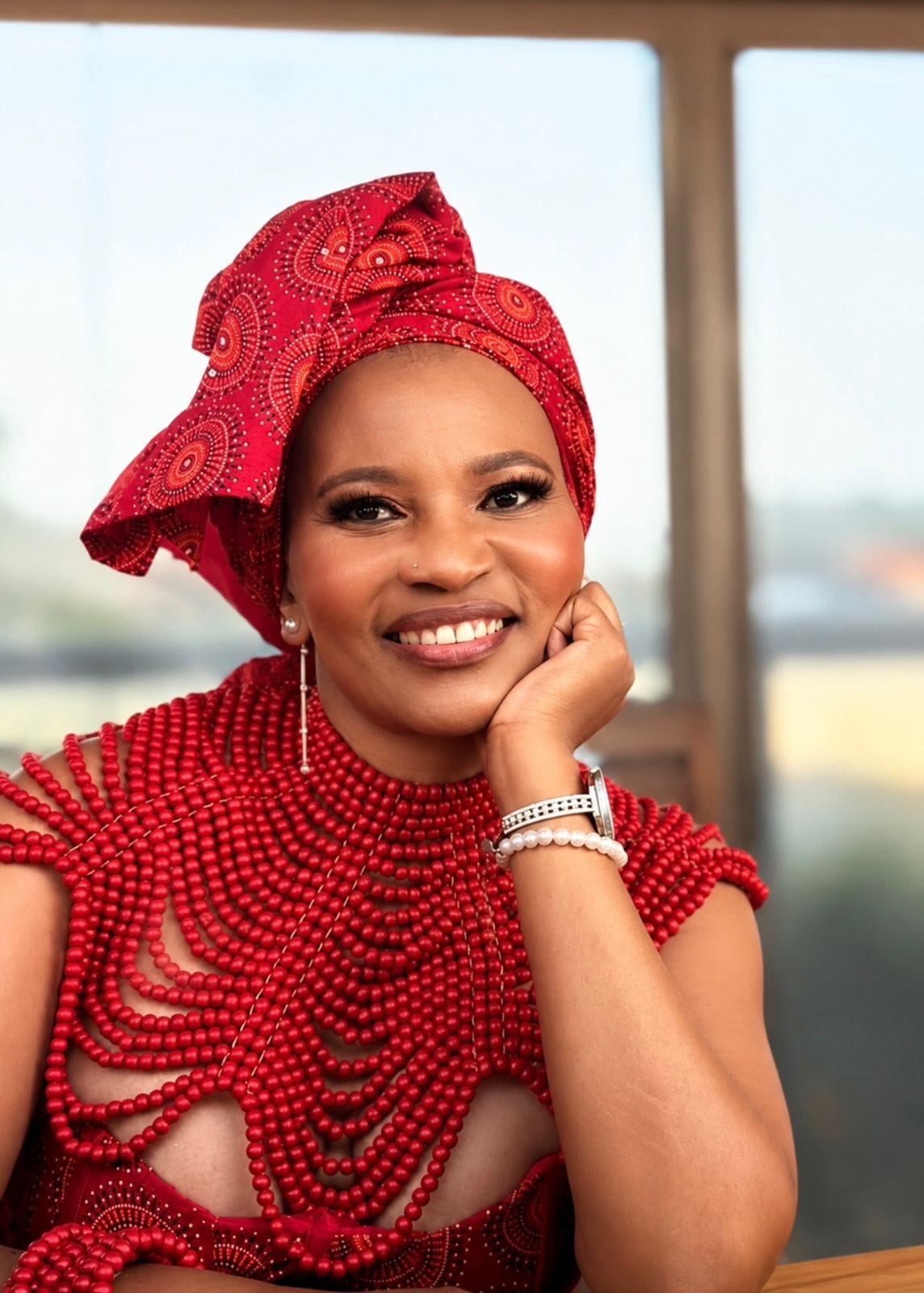
By Kay Sexwale
6 min read
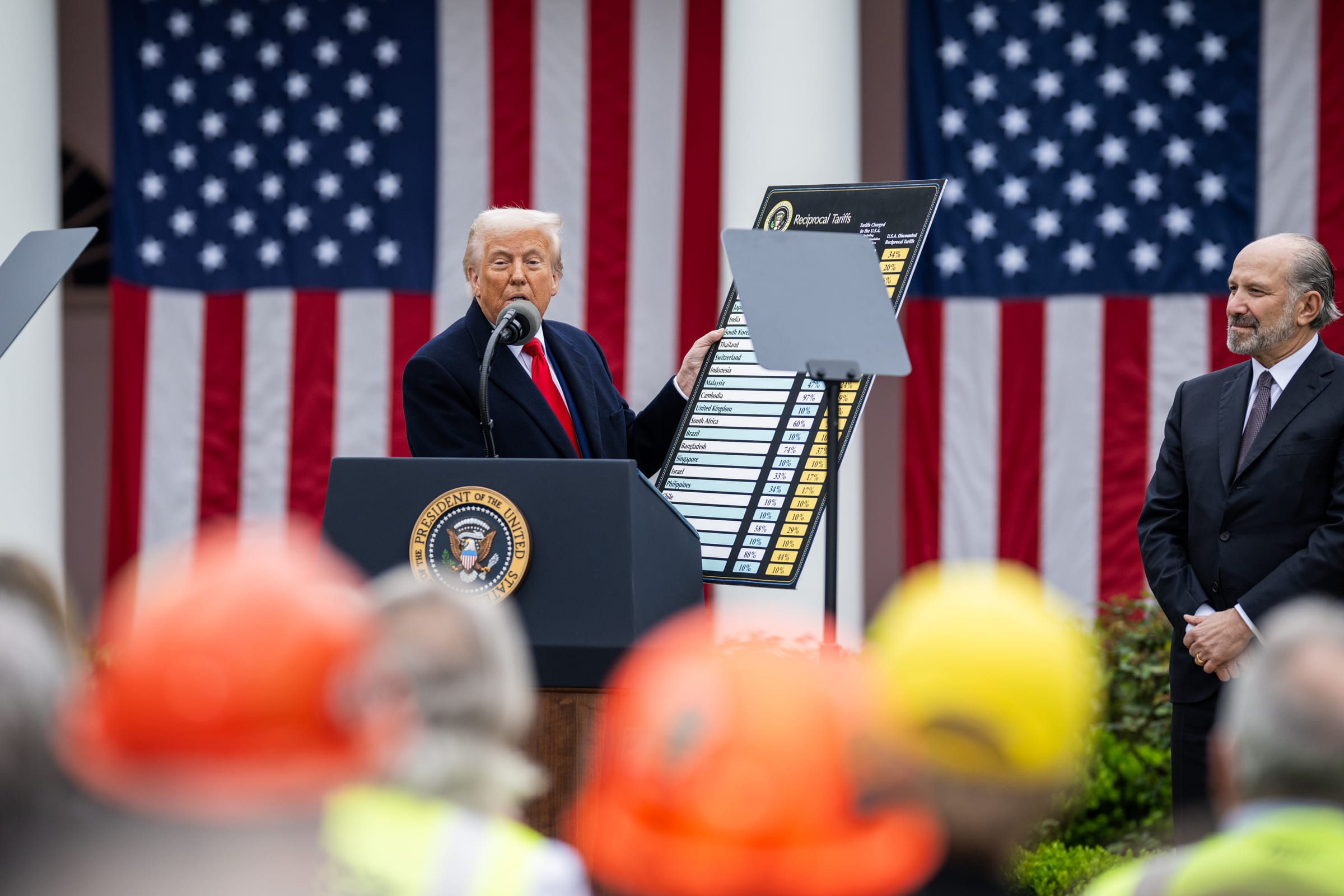
The Trump regime is embarrassingly obvious. The pressure is public, the timing difficult to ignore, yet we are expected to treat each development as unrelated. Those responsible pretend nobody can see the larger picture.
Donald Trump's letter to President Cyril Ramaphosa, made public on 2 November, gives 60 days' notice of his intention to terminate South Africa's eligibility for the African Growth and Opportunity Act (AGOA), effective 1 January 2027. The letter ironically cites corruption, alongside trade barriers, national security and foreign-policy concerns. It surfaced just two days before South Africans vote in local government elections. That is not a minor detail to file away under coincidence.
AGOA is a trade preference programme that gives eligible African countries favourable access to the American market. But Trump's letter makes it plain that this is about more than trade. South Africa's international relationships and foreign-policy choices are being treated as grounds for punishment. Washington is attempting to use economic leverage to demand political compliance, dressed in the language of eligibility criteria and national security.
This is the salami-slicing strategy: weaken a country's room for manoeuvre one piece at a time. Apply economic pressure, narrow diplomatic access, isolate the inconvenient government, inflame internal divisions and make independent foreign policy increasingly painful. Each action can be defended separately. Together, they can constrain a country's choices and alter its political trajectory.
South Africa's marginalisation in the G20 and the threat to withdraw AGOA should be read in the wider contest over BRICS and a multipolar world. Pretoria's relationships beyond Washington's preferred circle are treated not as sovereign choices, but as provocations. The message is unmistakable: align with us, or expect to pay.
But the external pressure did not emerge in a domestic political vacuum. In March 2024, ahead of the national and provincial elections, the Democratic Alliance wrote to US Secretary of State Antony Blinken requesting American assistance with election monitoring, independent domestic observers and parallel vote tabulation. The DA framed its appeal around alleged threats to electoral integrity, including the conduct of the ANC and its international relationships. President Ramaphosa condemned the approach, accusing the party of mortgaging South Africa's democracy to foreign powers.
The DA called it standard democratic practice. The political question, however, was why a South African political party was inviting a powerful foreign government to involve itself in our electoral processes when established regional and international institutions already observe our elections. After Trump took over the US, DA ally AfriForum and its AfriMAGA camp intensified their campaign against the South African government.
Then came the Government of National Unity (GNU), with President Ramaphosa misguidedly bringing the DA into national government after the ANC lost its parliamentary majority. What had been sugar-coated as an arrangement for stability and cooperation also gave the DA direct access to national executive power, including influence over the direction of government policy.
Viewed through the lens of regime-change politics, the sequence is striking: an appeal to Washington before the election, followed by a governing arrangement that brought a party with a fundamentally different political and economic programme into the national executive. The GNU marked a decisive political realignment that deserves scrutiny in the context of the pressure now being applied to South Africa.
And now, ahead of the 4 November local government elections, we hear renewed talk of ANC-DA coalitions to govern the metropolitan municipalities. There are indications that some ANC national leaders favour such arrangements, despite resistance from Gauteng's ANC leadership. Gauteng Premier Panyaza Lesufi has repeatedly and publicly criticised the DA's opposition to transformation policies and indicated that the Gauteng ANC would prefer to govern with progressive parties.
That resistance is justified. The DA's economic and untransformative agenda is not a minor policy disagreement with the ANC. It represents a fundamentally different vision of South Africa's political economy. Treating the two parties as interchangeable coalition partners in the name of stability risks normalising a political settlement in which the liberation movement's transformation mandate is progressively subordinated to the demands of a party representing the white minority, which has consistently opposed key instruments of economic redress.
The question is not whether parties may enter coalitions. It is what those coalitions mean for the direction of the country, who benefits from the resulting policy compromises and whether repeated political realignments are narrowing the space for meaningful transformation.
We have seen the wider interference playbook elsewhere. Brazil has faced foreign election interference, including by the United States. Reuters reported in September that Brazilian intelligence officials briefed French and German counterparts on alleged interference ahead of Brazil's presidential election. US Democratic lawmakers also accused the Trump administration of undermining Brazilian democratic institutions.
The United States and Israel are invested in shaping geopolitical narratives. It is propaganda artistry: establish a frame, steer the audience towards the approved villain and leave other actors' actions underexamined.
The same applies to the Afrophobia and xenophobic chaos dominating South African headlines since March. In August and September, Ekurhuleni was gripped by a disturbing series of killings of women. During this period, American ambassador Leo Brent Bozell III embarked on a coordinated media roadshow, meeting Sophie Mokoena of SABC and Hajra Omarjee, who heads Business Day's politics desk, on 21 September. Bozell publicly announced the engagements on X that same day, with the discussions set to appear on SABC that evening and in Business Day shortly afterwards.
He also spoke to Alec Hogg of BizNews on 23 September. These appearances came alongside his visit to AfriForum's headquarters on 24 September to amplify his criticism of Pretoria. A diplomatic protest by International Relations Minister Ronald Lamola followed, with DIRCO confirming that Bozell had been summoned for a third time over what it described as undiplomatic conduct.
Women For Change, which had mobilised public attention around the Johannesburg G20 Summit, resurfaced during the Ekurhuleni killings. Then the noise subsided and the public chorus moved on to a different song. We must never downplay femicide or the scourge of violence against women. But we must examine the timing, the sudden shifts in public attention and the narratives that accompany them. The question is who shapes the public narrative, when certain issues are amplified, when the outcry fades and whose political interests may be served by the cycle.
South Africa has many real domestic grievances, including unemployment, failing services, crime, corruption and poverty. But grievances can be amplified, organised and exploited. The possibility that actors may encourage hostility towards foreign nationals to deepen social fractures and destabilise the political environment deserves serious investigation. We must examine who benefits when South Africans turn on one another.
None of this requires a leaked memo bearing Trump's signature or an instruction from Netanyahu to Mossad. Political analysis is not a criminal prosecution. We are entitled to identify patterns, assess timing, connect public actions and argue what they indicate. Waiting for a written confession is a convenient way to recognise interference only after it has achieved its purpose.
The danger is not that every event must be part of one coordinated master plan. Economic coercion, diplomatic isolation, information operations and the exploitation of social divisions can reinforce one another, whether centrally directed or opportunistically aligned. Their cumulative effect can undermine sovereignty, narrow democratic choices and make a country's political future subject to external pressure.
South Africa's sovereignty does not belong to the ANC, the government or any faction. It belongs to the people. Defending it means holding our own leaders accountable while refusing to outsource political judgement to Washington, Tel Aviv or anyone else.
Trump has made the economic threat explicit. The diplomatic pressure is visible, Brazil offers a warning about election interference, and the domestic political realignments deserve scrutiny alongside the hostility towards migrants. The pattern is in front of us.
South Africans should vote on 4 November with their eyes wide open. They should also understand that elections take place within a wider struggle over who shapes our choices. The regime-change playbook does not always arrive with tanks or a coup. Sometimes it comes as a trade letter, a diplomatic snub, an unhinged 3am rant on Truth Social by Trump himself, a manufactured panic or a news report telling you exactly who to blame.
Trump is being too obvious. The question is whether we will look beyond the latest headline and recognise what the pressure is designed to achieve, right before our eyes.
Kay Sexwale is a communications strategist, reputation management specialist, public commentator and businesswoman. She was raised in exile by a family of liberation fighters who sacrificed their liberty and gave up their youth for a free South Africa.
Related stories
Opinion
South Africa Decides 2026 at Local Government Elections: An Election Observer in Observation
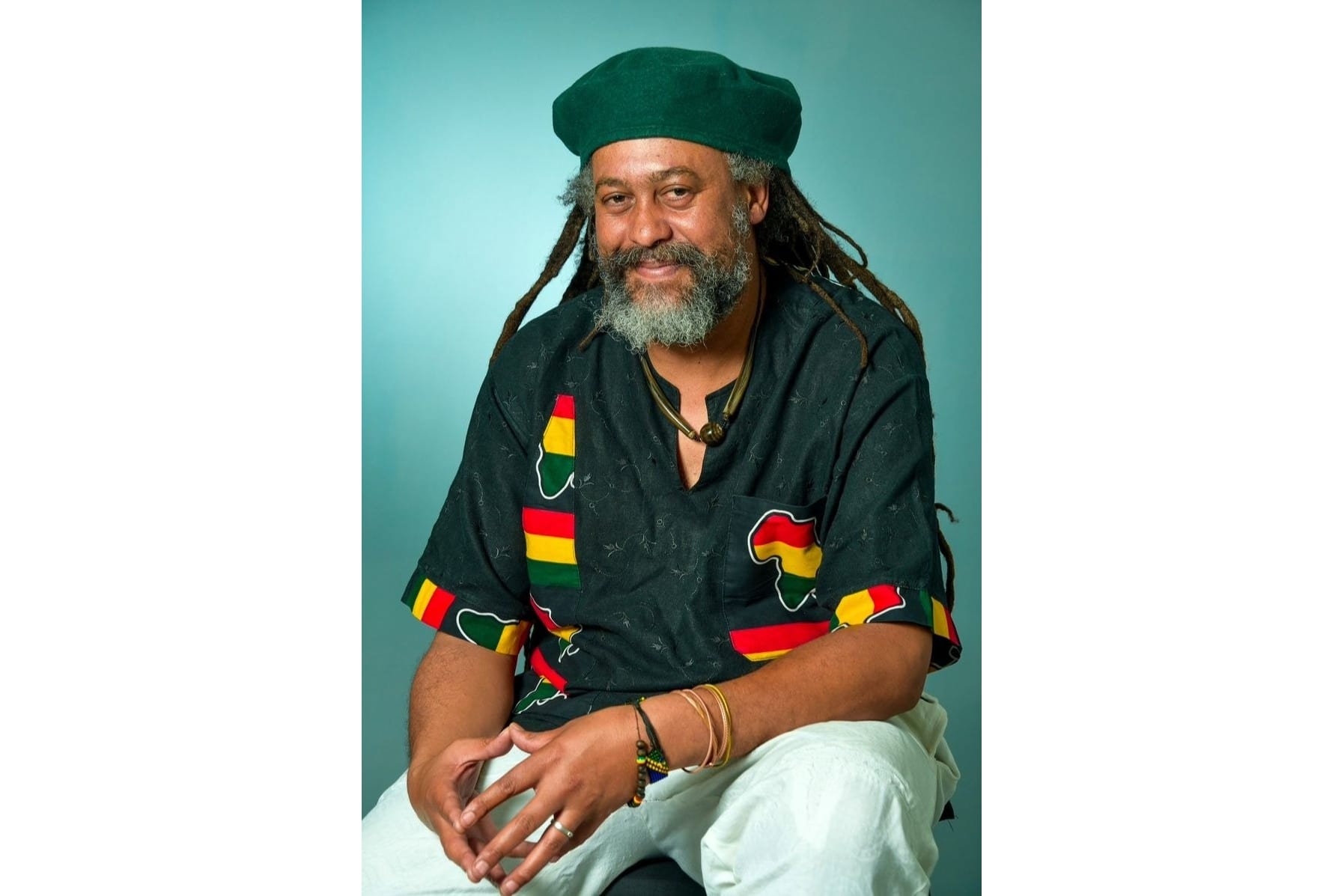
By Ras Adv Sipho Mantula
Latest from Africa Daily
Today's top stories- Campaigning must end at midnight as IEC wraps up special voting - Moepya
- Amaglug-glug shift focus to final preparations after squad announcement
- CGA auditors quit in September. Nobody will say why
- NPA secures forfeiture of R100 000 Tembisa Hospital bribe
- Springboks brace for Italy Test as European Tour gets underway