The Congress of Traditional Leaders of South Africa (Contralesa) has expressed disappointment over the absence of Limpopo Premier Phophi Ramathuba and Cooperative Governance, Human Settlements and Traditional Affairs MEC Basikopo Makamu at the inauguration of Traditional Leader Kgošigadi Malegobe Ivy Maserumule, suggesting political considerations may have influenced the decision not to attend.
Kgošigadi Maserumule was officially inaugurated on Friday, 5 June 2026, as Acting Senior Traditional Leader of the Phokwane Traditional Council (Bakone ba Phokoane) during a ceremony held at the Thosoleng Sports Ground in Phokwane Village under the Makhuduthamaga Local Municipality.
The formal seating marked an important milestone for the preservation of traditional governance and cultural continuity within the Sekhukhune “Royal region”.
However Ramathuba and her MEC were a no show.
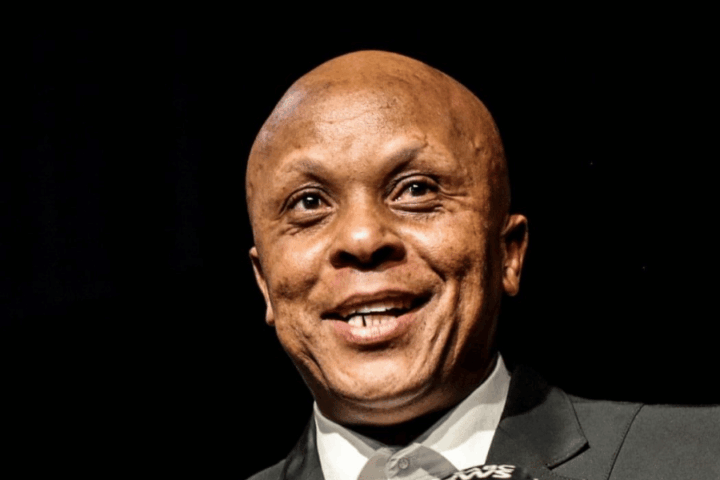
Speaking to Africa Daily, Contralesa president and Mpumalanga House of Traditional Leaders chairperson Kgoshi Mathupa Lameck Mokoena said the absence of the provincial executive was particularly concerning because government itself had identified and approved the date for the inauguration.
“The date was set by government,” Mokoena said.
“This date was identified by government, where they said on this day we’re coming to inaugurate and hand over a letter of appointment to this particular individual.”
According to Mokoena, neither Ramathuba nor Makamu attended the ceremony, and no alternative representative was delegated to officiate on government’s behalf.
He described the situation as unprecedented.
“In all provinces where I’ve been, there would be no event such as this where either the premier or the relevant MEC is absent,” he said.
“Sometimes if the relevant MEC is not there, arrangements are made for another MEC in that province to officiate on behalf of government. But in this case, not even the premier, the relevant MEC or any MEC for that matter came to be part of the event and hand over the certificate on behalf of government.”
Mokoena said the inauguration carried particular significance because it marked the culmination of a lengthy succession dispute within the royal family.
He noted that Maserumule had initially been gazetted and certificated for the position as far back as 2019, but internal conflicts and competing claims delayed her formal inauguration.
“This is history in the making because it happens only once after so many years,” he said.
“In most cases, these inaugurations happen after disputes have been resolved and after a long process of determining rightful leadership.”
He said the ceremony represented an important opportunity for government to demonstrate support for the recognised traditional leader and help unite factions within the royal family.
Mokoena further alleged that political interests may have played a role in the provincial leadership’s decision not to attend.
“My intelligence told me that there are some senior politicians who are in the national government who are not in support of the current incumbent and are in favour of the other group,” he said.
“That’s what influenced the executive in the province not to come because they didn’t want to be seen as siding with one side.”
He argued that government leaders should instead have used the occasion to encourage unity and acceptance of the recognised traditional leader.
“They were supposed to lead by example and say, can all the royal family members rally behind this Kgošigadi,” Mokoena said.
“The message should have been that because she has now been identified, everyone must support her.”
The Contralesa leader said he intends raising the matter directly with Ramathuba.
“After getting a response, I will take it from there. But I can’t leave it just like that because this is a serious matter to us,” he said.
Mokoena said the absence of government officials was particularly disappointing given the history surrounding the royal family, which has experienced years of disputes and tensions.
He said government had an important role to play in helping stabilise the institution and affirm the legitimacy of the recognised traditional leader.
Asked what the incident reflected about government’s approach to traditional leadership matters, Mokoena maintained that political considerations appeared to have influenced the decision.
“Politics played out on this one,” he said.
“This was influenced by politics by senior leadership in the province. I’m putting my neck on the block on that one.”
He added that his concerns were heightened because Makamu had historically shown commitment to traditional leadership matters.
“I know him very well. He’s got passion for traditional leadership,” Mokoena said.
“I’ve been in many events where there was an inauguration, a funeral, the opening of a tribal office or the handing over of facilities by government, and he is always there.
“But in this case there was no way he would fail to attend a coronation of this nature. It does not make sense. No show, just like that.”
Ramathuba and Makamu had not responded to our written questions at the time of publication.