The Women’s Development Bank (WDB) Trust is strengthening its efforts to fight poverty and promote economic empowerment in rural communities through agricultural support programmes aimed at helping disadvantaged households become self-reliant.
The initiative, which involves collaboration with the Department of Agriculture, will benefit communities in Limpopo, KwaZulu-Natal, the Eastern Cape and North West, with a focus on supporting people who are already involved in farming or have the potential to establish sustainable agricultural projects.
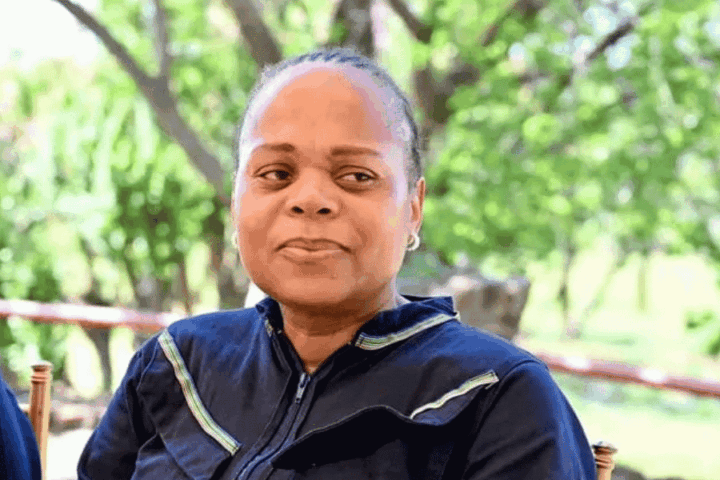
Gloria Serobe, a trustee of the WDB Trust, outlined the initiative, which seeks to put resources directly into the hands of rural communities to help them build sustainable livelihoods through agriculture.
The programme will support approximately 10,000 beneficiaries across the four provinces, with each qualifying beneficiary set to receive a voucher worth R4,000 to acquire essential agricultural inputs.
The support will include items such as seedlings, piglets and assistance with pipelines, depending on the needs of individual farming projects.
Traditional leaders will play a central role in identifying beneficiaries, with each traditional council expected to select 12 people in its area who are actively involved in farming or living in poverty and in need of support.
The approach is intended to ensure that assistance reaches people who need it most and those who are serious about using farming to improve their livelihoods.
A reported allocation of R45 million to each traditional council will support the initiative, although the precise funding arrangements will need to be confirmed by the programme’s implementing partners.
Limpopo has a particularly important role in the initiative because of the province’s agricultural potential and the ongoing efforts to revitalise the historic Zebediela Citrus Estate.
An additional 500 beneficiaries are earmarked for Zebediela, providing further opportunities for local residents to participate in agricultural production and benefit from the wider revitalisation drive.
The initiative comes as the province works to restore Zebediela Citrus Estate as a productive agricultural asset capable of creating jobs, stimulating local economic activity and improving household incomes.
The WDB Trust’s involvement reflects its broader commitment to empowering rural communities through access to finance, practical skills and opportunities to establish sustainable income-generating activities.
Founded in 1991, the WDB Trust has spent more than three decades working to improve the economic circumstances of disadvantaged rural women and their families. Its programmes include microfinance, entrepreneurship development, skills training and community-based support.
Through its various interventions, the trust seeks to ensure that rural people are not merely recipients of assistance but active participants in building their own economic futures.
For communities in Limpopo, the agricultural support programme offers an opportunity to turn farming into a more reliable source of income, particularly for households that lack the resources to purchase essential inputs.
The additional support earmarked for Zebediela could also help strengthen the link between small-scale farmers and the broader efforts to revive the citrus estate, provided the programme is implemented effectively and beneficiaries receive the necessary support to sustain their projects.
The success of the initiative will depend on transparent beneficiary selection, effective cooperation between traditional leaders and government departments, and the ability of beneficiaries to turn the assistance into productive and sustainable farming enterprises.