News
Unisa tribunal protected IEC and shut out student groups
By Zama Nteyi
5 min read
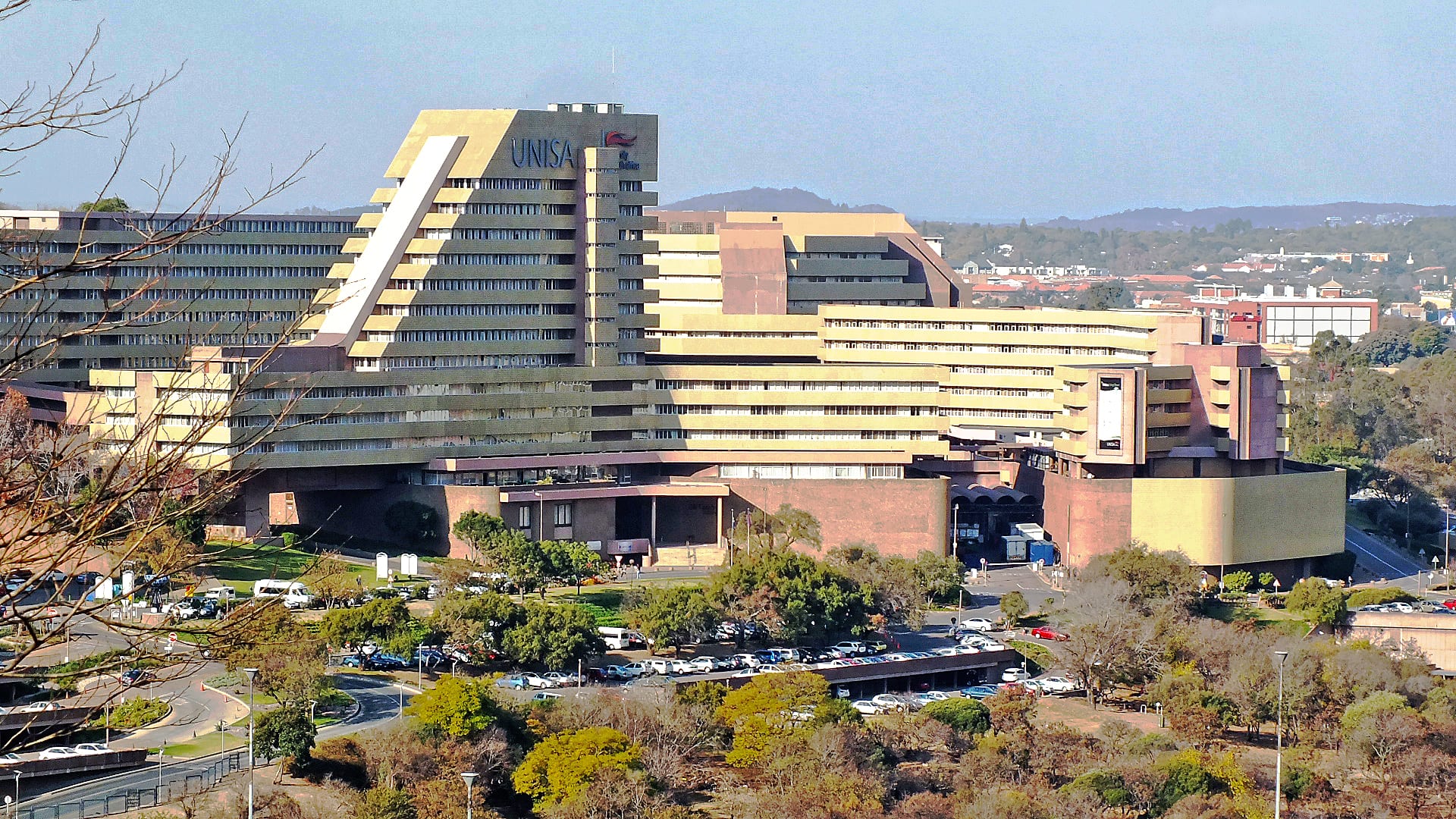
The Johannesburg High Court has thrown out the ruling that confirmed Unisa’s national student leadership. It found the university’s election tribunal gave one side a fair hearing and shut the other out.
Judge Wentzel-Thompson set aside the Independent Election Tribunal’s ruling of 10 July 2026. That ruling had dismissed a dispute brought by the ANC Youth League (ANCYL) and the South African Students Congress (SASCO) over the election of the National Student Representative Council (NSRC) executive.
The court ordered that the dispute be reheard by a brand-new tribunal. None of the original members may sit on it.
It also found that the tribunal chairperson’s evidence under oath was contradicted by the university’s own records.
In his affidavit, chairperson Prof Mudau said the student groups never asked for a chance to reply to the case put by Unisa’s Independent Electoral Commission (IEC). The judge said the papers showed otherwise.
“First, Prof Mudau’s statement that no request for a right of reply was made is contradicted by the record the respondents themselves filed. On 9 July 2026 the applicants wrote to the tribunal asking whether they would ‘be afforded an opportunity to respond to the IEC’s submissions before the Tribunal reaches its final determination’, and expressly requesting ‘confirmation that we will have a reasonable opportunity to respond to any evidence or submissions presented by the IEC’. There is no indication that the tribunal answered.”
The tribunal heard the parties separately. The IEC presented its case on Microsoft Teams after the student groups had left.
The court found the tribunal promised the IEC the very protection it denied the complainants.
“Second, the procedure was not applied even-handedly. When the IEC asked for a right of reply to any new material from the complainants, recognising that ‘it may not look nice if there’s a ruling on the basis of something that we’ve never had an opportunity to answer to’, the tribunal chairperson assured it that any such material ‘will also be shared with [the IEC] so that you can respond before the tribunal makes a final and binding decision’. The applicants asked for the same assurance in writing and received nothing.”
The IEC’s chairperson, Dr Maropeng Mpya, made that request himself.
The tribunal delivered its ruling the next day. The student groups never saw the IEC’s presentation, its six-page credentialing report or any of the evidence handed in after the hearing.
The judge said that material was not a side issue.
“Third, the IEC’s undisclosed material was not peripheral; it was central to the ruling. The IEC presented a detailed answer to each allegation and undertook to submit, after the hearing, its presentation, a six-page credentialing report and other evidence, which the tribunal asked for so that it could deliberate. The ruling, delivered the next day, relies on the IEC’s version on the critical issues.”
The court also flagged a clash in the IEC’s own account on cellphones in the voting booth.
“On the central complaint of ballot secrecy, Dr Mpya told the tribunal that ‘everyone can have their mobile phone at any time, including in the voting booth’. In this court, he says on oath that ‘no student was permitted to enter or vote in the voting booth with a cell phone’.”
The judge did not decide which version was true. But she said the complainants could have used it had they seen the IEC’s case.
The margins mattered too. The EFF Youth Command (EFFYC) won both the president and deputy president posts by 46 votes to 44.
“A reply on materiality could have made a difference,” the court said.
The judge rejected the argument that the outcome would have been the same anyway.
“It is no answer that the result might have been the same. Where a fundamental requirement of fairness is breached, the court will not ordinarily speculate whether the outcome would have been different; the breach itself vitiates the decision, save perhaps where the result is truly a foregone conclusion. That is plainly not this case.”
She pointed out that the tribunal itself had told the IEC to strengthen ballot secrecy awareness, observer management, credential record-keeping and the formal recording of objections. These were the very matters in dispute.
Three of the four tribunal members had attended the national congress as observers.
The court gave three reasons why the original panel cannot rehear the case.
“First, the four members who decided the dispute have already expressed a firm and reasoned conclusion on every issue; they would be asked to reconsider it in light of a reply they declined to receive. However conscientious they may be, a reasonable student body would doubt that the reconsideration was genuinely open.”
“Second, the chairperson has deposed in these proceedings to a version about the applicants’ request for a right of reply that the record contradicts. He has thus become a partisan witness on a matter connected to the dispute.”
The third was that the members who observed the congress were witnesses to contested events.
Unisa must set up the new tribunal within 10 court days. The IEC must then hand over its full case, and the student groups get a chance to reply.
The court did not overturn the election itself. The EFFYC-led executive stays in office until the new tribunal rules.
“Nothing in this judgment should be read as a finding that the election of 24 June 2026 was or was not free and fair, or that any of the alleged irregularities occurred. Those are matters for the tribunal,” the judge said.
The court also refused the student groups’ bid for a rerun of the congress within 90 days, an interim SRC and a ruling on how vacancies may be filled. Each side must pay its own costs.
The election took place at the Kopanong Conference Venue in Ekurhuleni on 24 June 2026. Ninety voting delegates signed the register. Only four of the nine executive posts were filled.
ANCYL and SASCO delegates left the venue during the proceedings. They say they walked out in protest over ballot secrecy and credentials. The IEC says they left without objecting after losing the deputy president vote.
The groups first tried to get an urgent interim order. Acting Judge Nel dismissed it in August, finding the Johannesburg court had no jurisdiction. This judgment found that it does.
Related stories

More on ANC
All ANC storiesPolitics
ANC's top Joburg mayoral hopefuls locked out of council — Morero and Masuku ineligible for mayor
By Mashudu Sadike
Latest from Africa Daily
Today's top stories- DA, Helen Zille reject Malema's apology demands: 'See you in court'
- Knives out for Ramaphosa after salary hikes for political elite
- NAC's R65m scandal: CFO cannot explain who authorised the transfers
- Bafana Bafana urged to stay alert ahead of Kenya qualifiers
- BELA Act rollout hits trouble as transport shortages and community resistance stall school mergers