South Africa
Foreign nationals accused of overwhelming neonatal ICUs
A senior Department of Health official told Parliament that foreign nationals were overwhelming neonatal ICUs but offered no figures, and the department's own presentation blamed sepsis, prematurity, overcrowding and staff and bed shortages instead.
By Zama Nteyi
3 min read
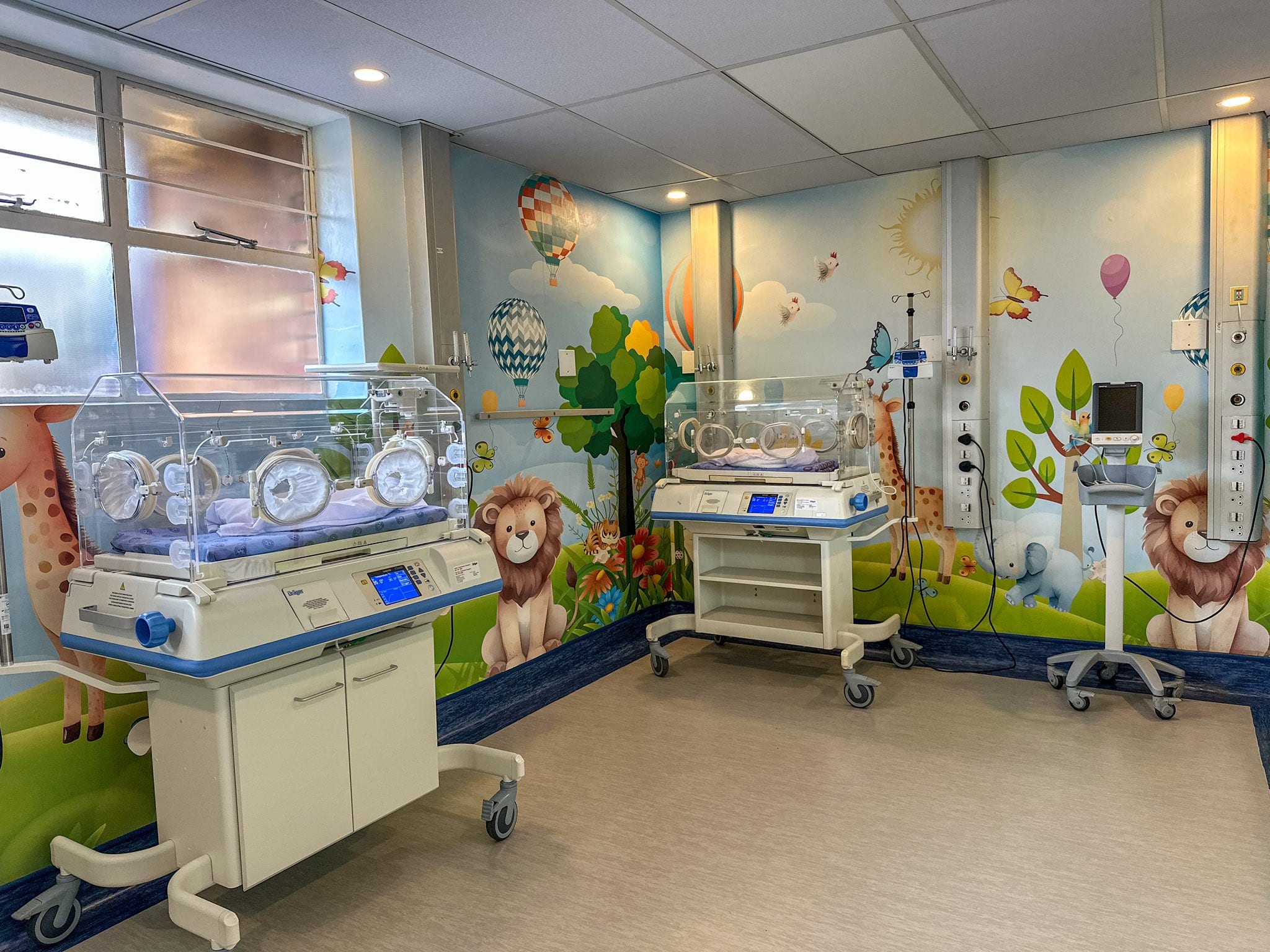
A senior Department of Health official has blamed foreign nationals for overwhelming neonatal intensive care units, claiming that pregnant foreign women arrive at hospitals without attending antenatal clinics and give birth to babies who often require intensive care.
But she offered no figures to substantiate the allegation, which was also absent from the department’s own presentation to Parliament on the crisis facing neonatal wards across several provinces.
Dr Mathabo Mathebula made the claim while responding to MPs in the NCOP Select Committee on Social Services on Wednesday, 28 October, during a briefing on the department’s 2025/26 annual report.
Mathebula argued that the pressure on neonatal intensive care units was driven less by infrastructure shortages than by the number of sick newborns requiring specialised care.
“When coming to the ICU, it is not so much about infrastructure. It is more about the demand. As has already been alluded to, we have too many sick neonates,” she said.
She then singled out foreign nationals.
“The tendency is mainly also coming from foreign nationals, who arrive having not attended any antenatal clinic and then arrive to deliver a baby. Those babies are not healthy and often need ICU beds, because those are patients who didn’t attend antenatal clinic, and they are also not counted in the population.
“You don’t know how many patients will arrive in that state. So there tends to be a high demand to take care of these neonates,” Mathebula said.
However, she provided no statistics showing how many newborns requiring intensive care were born to foreign nationals, how many mothers had not attended antenatal clinics, or what proportion of ICU admissions could be attributed to them.
The department’s own presentation earlier in the meeting offered a different explanation for the pressure on neonatal services.
In the Eastern Cape, it identified neonatal sepsis, overcrowded intensive care units and a shortage of skilled personnel.
In the Free State, the department pointed to premature births and insufficient ICU and hospital beds at Universitas Hospital.
Mpumalanga was grappling with overcrowded neonatal wards and a shortage of high-care and intensive care units, while North West reported sepsis, overcrowding and inadequate ICU capacity.
Dr Nonhlanhla Ndlovu, the department’s deputy director-general responsible for HIV, TB and maternal and child health, also made no reference to foreign nationals when explaining the challenges.
Instead, she identified prematurity, infections transmitted from mothers, HIV and TB, late antenatal bookings and transport delays as factors contributing to neonatal complications.
The absence of supporting statistics for Mathebula’s allegation raises questions about the basis on which she attributed pressure on neonatal ICUs to foreign nationals.
The meeting also exposed uncertainty over when Mpumalanga will receive desperately needed intensive care equipment.
ANC MP Pat Sibande challenged the department to provide a concrete delivery date after it reported that procurement had been completed and equipment was expected to arrive soon.
“The department has indicated that in Mpumalanga there is a lack of intensive care units, and that procurement has been done and some of the equipment will be delivered very soon. The issue is: by when? Because if it’s very soon, it can be next year, or the year after that, 2028,” Sibande said.
Mathebula could not provide an answer.
“Coming to when the equipment for Mpumalanga will be delivered, we will go back and come back to the members with the exact date of delivery of the equipment for Mpumalanga province,” she said.
The department reported a neonatal mortality rate of 12.5 deaths per 1,000 live births at its facilities in 2025/26, narrowly meeting its target of 12.7.
The controversy echoes comments made by Health Minister Aaron Motsoaledi in 2018, when he claimed Gauteng’s neonatal wards were operating at 132% capacity.
At the time, Motsoaledi said hospitals could not turn away pregnant foreign nationals who arrived about to give birth.
South Africa’s constitutional obligations are clear.
Section 27 of the Constitution guarantees everyone the right of access to healthcare services, including reproductive healthcare, while section 27(3) states that no one may be refused emergency medical treatment.
The department has been asked to provide the statistics underpinning Mathebula’s claims about foreign nationals and to clarify when the intensive care equipment promised to Mpumalanga will be delivered.
Related stories


More on foreign nationals
All foreign nationals storiesSouth Africa
Durban on fire as anti-migrant protest Collapses Into Looting And Street Battle
By Africa Daily