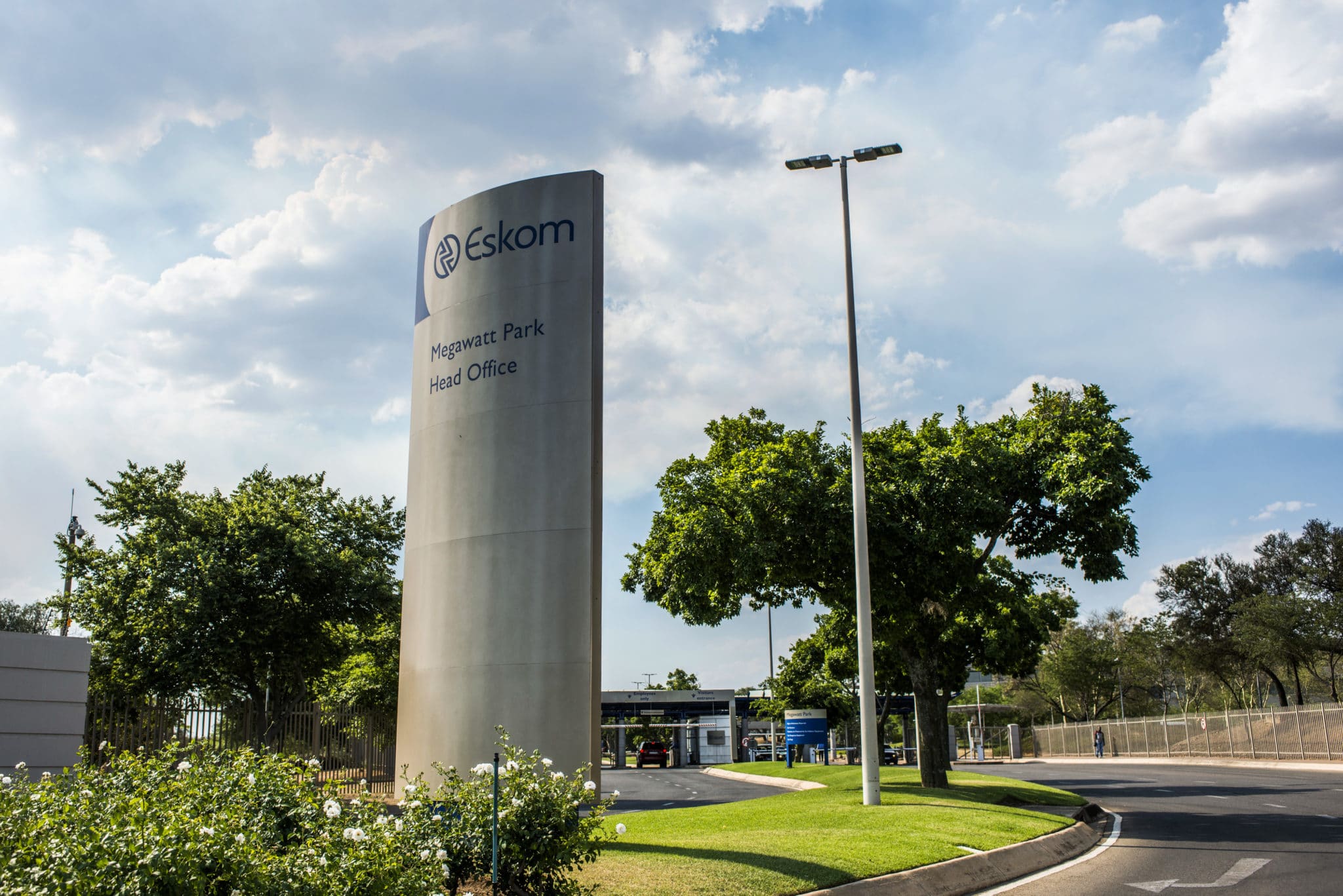
The City of Johannesburg has settled its R5.25 billion overdue electricity debt to Eskom in full, bringing an end to a months-long dispute that threatened the security of power supply to the country’s economic hub.
Eskom confirmed on Friday that it had received the final payment of R5,255,421,994.16, prompting the utility to withdraw the legal process it had initiated against the city over the outstanding debt.
The settlement follows an intervention by Electricity and Energy Minister Kgosientsho Ramokgopa, who established a task team bringing together the City of Johannesburg, City Power and Eskom to resolve the dispute and address the underlying billing disagreements.
The intervention allowed electricity supply to Johannesburg residents and businesses to continue uninterrupted while the parties worked towards resolving the arrears.
Eskom had issued a notice on 17 May 2026 of its intention to reduce, interrupt or terminate electricity supply to certain bulk supply points because of the accumulated debt.
The notice triggered a process under the Promotion of Administrative Justice Act (PAJA).
With the debt now paid in full, Eskom has confirmed that the PAJA process has been withdrawn.
Minister Ramokgopa welcomed the resolution, saying it demonstrated the effectiveness of the intergovernmental approach used to resolve the dispute.
“We are pleased to see this matter reach a definitive conclusion,” Ramokgopa said.
“This resolution reinforces the effectiveness of the Inter-Governmental Relations (IGR) model we have championed.”
He said the structured engagement between the parties had ensured that Johannesburg residents and businesses continued receiving electricity while protecting Eskom’s financial sustainability.
The settlement also comes with a commitment from the City of Johannesburg to keep its current electricity account up to date.
According to Eskom, the city has confirmed that its July 2026 account of R1.86 billion, which falls due on 31 August, will be paid on time.
The city has further committed to settling all future electricity accounts on or before their respective due dates.
Eskom Group Executive for Distribution Junaid Munshi said the payment was important for the utility’s financial position and its ability to continue supplying electricity.
“Eskom’s financial sustainability and its ability to supply electricity at affordable prices, as well as to support the delivery of a reformed, competitive market, is dependent upon its ability to improve its balance sheet by increasing revenue and reducing expenses,” Munshi said.
He welcomed the City of Johannesburg as a customer and said Eskom remained committed to maintaining a stable relationship with the municipality.
“We value the City of Johannesburg as a customer and we remain committed to a stable working relationship for the benefit of its residents and in turn, the economy, and our country,” he said.
Munshi also credited Ramokgopa’s intervention, saying the minister had facilitated the establishment of the task team comprising senior representatives from the City, City Power and Eskom.
The task team, he said, had helped maintain uninterrupted electricity supply throughout the dispute.
Johannesburg Mayor Dada Morero described the settlement as a significant step towards improving the city’s financial sustainability and governance.
“This is a significant milestone in the City’s journey towards financial sustainability and responsible governance,” Morero said.
“Settling the R5.25 billion overdue debt demonstrates our commitment to honouring our obligations while protecting Johannesburg’s residents and businesses from disruptions to electricity supply.”
The mayor said the city would focus on maintaining its current payments, reducing electricity losses linked to theft and vandalism, and investing in critical electricity infrastructure.
The City and Eskom will also continue working together on measures aimed at improving the reliability of electricity supply.
These include infrastructure maintenance, reducing electricity losses and implementing data-sharing protocols developed during the intervention.
The settlement brings to an end a significant financial pressure point between South Africa’s largest city and the national power utility, after months of uncertainty over whether Eskom would take steps to restrict supply because of the outstanding debt.
The parties said their focus would now shift towards ensuring the city remains up to date with its electricity payments while addressing the structural issues contributing to electricity losses and financial pressure.
For Johannesburg, the immediate consequence is the removal of the threat of Eskom action over the R5.25 billion arrears, while Eskom has secured payment of the debt and a commitment that future accounts will be settled on time.