South Africa
Asylum portal goes live but asylum seekers still cannot apply
Home Affairs' promised digital asylum portal is live, but only for a first batch of test cases. Asylum seekers will have to wait until after this weekend's software release before they can register.
By Zama Nteyi
3 min read
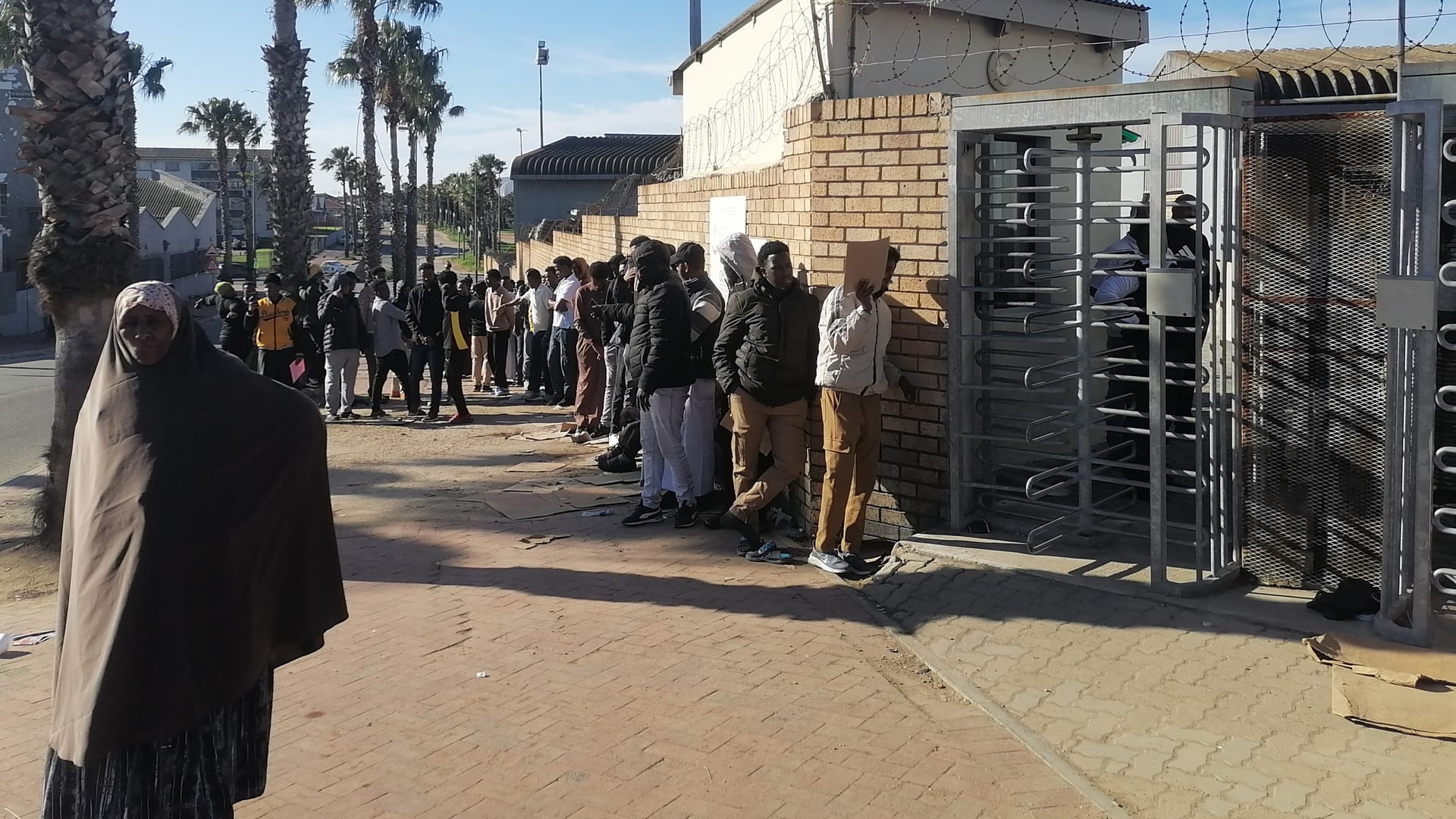
Home Affairs' promised digital asylum portal is live, but only for a first batch of test cases.
Asylum seekers will have to wait until after the department's next routine software release this weekend before they can register.
The government had committed to having the platform working by 10 November.
The delay comes four months after the Constitutional Court ruled that Home Affairs could not shut asylum seekers out of the system on procedural grounds.
Even once it opens, the portal will not let anyone apply for asylum. It only records a person's intention to apply.
The department says the receipt that applicants get does not protect them from arrest or deportation.
"Deportations will continue in accordance with the law. Registering an intention to apply for asylum does not provide blanket protection against immigration enforcement," the department said in a statement on Tuesday.
That appears to clash with what Justice Minister Mmamoloko Kubayi said in October.
Kubayi chairs the inter-ministerial committee on immigration. At the time, she said the receipt was proof that a person had declared an intention to seek asylum, and that it was the means by which the department "operationalises the protection".
The department said the portal "gives effect to the Constitutional Court judgment of 7 July 2026 in a sustainable manner that enhances national security and protects the capacity of Home Affairs".
It said: "The portal enables individuals seeking asylum to record their intention to apply digitally, while requiring them to upload facial biometrics, personal information, and supporting documents. In the rollout of subsequent phases of the new system, it will incorporate advanced machine learning and AI tools to enable the Department to clear the decades-old asylum appeals backlog and dramatically reduce the time it takes to process new asylum applications and appeals, enabling swift deportation of the 95% of asylum applicants who are routinely rejected."
The statement does not say where the 95% figure comes from.
Home Affairs Minister Leon Schreiber blamed "opportunistic applicants" for abusing the system.
"The end-to-end digitalisation of the asylum seeker process presents a major opportunity to finally end the long-standing abuse of this system. The central problem we are working to solve is the inordinate delays traditionally associated with the asylum application and appeals processes. Opportunistic applicants have long abused the length of time it takes to finalise these applications," Schreiber said.
"These delays were caused by a chronic shortage of funding and personnel over many years. For example, at the start of the current administration, Home Affairs had only nine officials to handle thousands of outstanding appeals.
"But we are systematically working to overcome these capacity constraints by harnessing cutting-edge biometric, machine learning and AI technology, in line with our overall vision for digital transformation.
"Over the next few months, we will roll out subsequent phases of this project until the time required to adjudicate an asylum application and appeal is dramatically reduced, ensuring protection for the small minority of applicants in genuine need, and swift deportation for all failed asylum seekers," he said.
In October, Schreiber estimated the appeals backlog at about 120,000 cases. He said the department would confirm the exact number.
People will register at myhomeaffairsonline.dha.gov.za. Those without phones or internet access can get help at Refugee Reception Offices.
The department said appointment scheduling, more biometric checks and checks against Home Affairs records would come in later phases. It gave no dates.
"Importantly, registering an intention to apply for asylum does not confer any status on an applicant and does not constitute a formal asylum application, nor does it automatically grant asylum, refugee status or South African citizenship to anyone," the department said.
The Constitutional Court ruled on 7 July in the case between the Scalabrini Centre of Cape Town and the Minister of Home Affairs. The judgment was unanimous and was written by Justice Steven Majiedt. It struck down sections 4(1)(f), 4(1)(h), 4(1)(i) and 21(1B) of the Refugees Act.
Those sections had let officials refuse asylum to people who entered the country unlawfully unless they passed a "good cause" interview. The court said applications must be decided on their merits.
Home Affairs opposed the case and was ordered to pay costs.
On 4 September, the Scalabrini Centre and Lawyers for Human Rights wrote to Schreiber asking him to reopen Refugee Reception Offices, Daily Maverick reported. He did not reply.
On 28 September, the director-general's office ordered all Refugee Reception Offices to start taking new asylum claims immediately.
Within days, the offices were overwhelmed. Anti-immigrant protests turned violent in Durban and Soweto.
The department withdrew the directive on 9 October. It said the director-general had issued it without the knowledge of Schreiber or any other political office-bearer.
Kubayi has said people whose asylum claims were finally rejected will not be allowed to apply again through the new system.
Related stories


More on Home Affairs
All Home Affairs storiesNews
Father of teen in Sibiya grooming scandal faces fraud charges over three fake IDs
By Mashudu Sadike
Latest from Africa Daily
Today's top stories- ANC Joburg says it learnt of Thuthukile Zuma's resignation on social media
- BMA intercepts 18 vehicles worth estimated R10m at Beitbridge through new targeting system
- DA, Helen Zille reject Malema's apology demands: 'See you in court'
- Knives out for Ramaphosa after salary hikes for political elite
- NAC's R65m scandal: CFO cannot explain who authorised the transfers