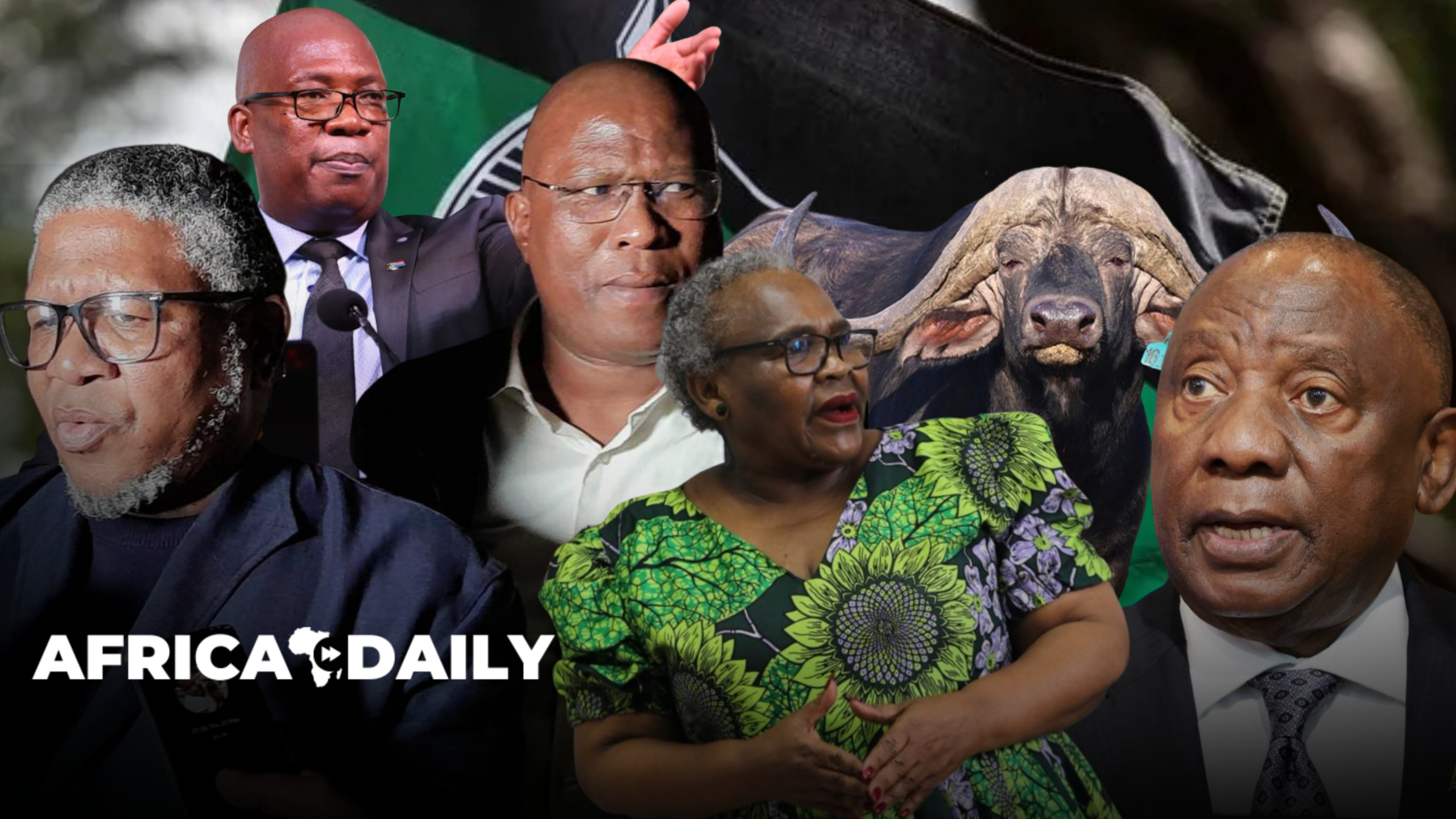
The African National Congress is set to convene an ordinary meeting of its National Executive Committee (NEC) against a backdrop of mounting organisational pressure, with integrity scandals, provincial dysfunction, and the race to select mayoral candidates for the November 4 local government elections all threatening to overshadow the ruling party’s campaign readiness.
The meeting, the first ordinary NEC gathering since a Special NEC on May 13 that was convened to deal with the Constitutional Court’s bombshell ruling on the Phala Phala scandal, will give the party’s top leadership body its most comprehensive opportunity yet to take stock of the organisation’s health ahead of what many insiders regard as the ANC’s most consequential electoral test since the 2024 general elections.
The NEC meeting comes just as the ANC’s public nomination portal for mayoral candidates closes at midnight on Friday, May 22. The seven-day window, which opened on May 15, invited South Africans, including non-members, to nominate candidates for mayoral positions in the country’s eight metropolitan municipalities and 22 secondary cities. Secretary-General Fikile Mbalula has said the party intends to launch its full election campaign in July, once structures finalise candidate lists.
Report-backs from three of the country’s most electorally significant provinces are expected to dominate much of the NEC’s deliberations. Provincial Task Teams (PTTs) now run all three provinces following structural collapses that the ANC has acknowledged stemmed from deep-rooted factionalism and organisational decay.
In KwaZulu-Natal, where the party suffered a near-catastrophic result in the 2024 polls, a reconstituted PTT led by Mike Mabuyakhulu replaced the original team led by former deputy president Jeff Radebe following a performance review. In Gauteng, the NWC recently moved to remove PTT coordinator Hope Papo and is evaluating the role of convenor Amos Masondo amid concerns about the team’s effectiveness. The Eastern Cape saw the biggest shake-up: a fresh 39-member PTT was unveiled on May 20, led by premier Oscar Mabuyane, with former provincial secretary Lulama Ngcukayitobi pointedly excluded over his role in the legal battles that stalled the provincial conference.
The NEC will also be forced to confront its Integrity Commission’s unfinished business. As of May 15, the ANC had not received any formal recommendations from it regarding Social Development Minister and ANC Women’s League president Sisisi Tolashe, who appeared before the commission in April amid allegations of undeclared vehicles allegedly donated by Chinese officials. While an interim report was said to have recommended her removal from Cabinet, and President Cyril Ramaphosa did indeed axe her, the commission has indicated the report is not yet finalised and that Tolashe was expected to return to supplement her submission.
Ramaphosa’s own integrity question remains equally unresolved. The Constitutional Court ruled on May 8 that Parliament acted unconstitutionally in 2022 when it rejected the Section 89 independent panel report into the Phala Phala farm scandal. The court ordered the matter be returned to Parliament, which is now constituting a 31-member impeachment committee. Ramaphosa has said he will challenge the validity of the original report, describing it as having “grave flaws”. The ANC NEC has offered the president its “unanimous” backing, with Mbalula declaring: “My mandate is intact.”
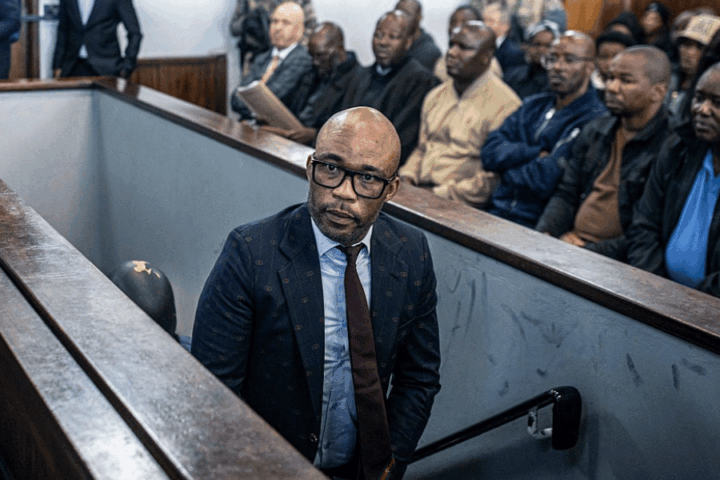
The NEC is also expected to receive a briefing on outstanding disciplinary matters. Among the cases still pending are those involving former ministers Zizi Kodwa, Cedric Frolick, Malusi Gigaba, and David Mahlobo, who were charged in connection with State Capture and summoned to appear before the National Disciplinary Committee (NDC) in January 2025. Although the NDC delivered at least one ruling in June 2025, clearing the four, questions about the thoroughness and credibility of the party’s internal accountability mechanisms continue to dog the ANC’s renewal narrative