The Gauteng Provincial Government is pushing to reclaim Johannesburg’s status as a world-class city, signing a Memorandum of Agreement with the Development Bank of Southern Africa to drive a massive revitalisation of the inner city.
The deal, unveiled on Tuesday at a CEO Breakfast hosted by the Gauteng Department of Infrastructure Development (DID), will see the Gauteng Infrastructure Funding Agency and the DBSA jointly implement the Gauteng Precinct Development Project, previously known as the Kopanong Precinct Project.
The project is the anchor of the broader Johannesburg CBD Revitalisation Programme, an attempt to reverse years of urban decay, hijacked buildings, crumbling infrastructure and capital flight that have stripped Africa’s richest city of its status.
Premier Panyaza Lesufi, City of Joburg Executive Mayor Dada Morero and DBSA leadership signed a public pledge to implement the revitalisation, in what the province is framing as a turning point.
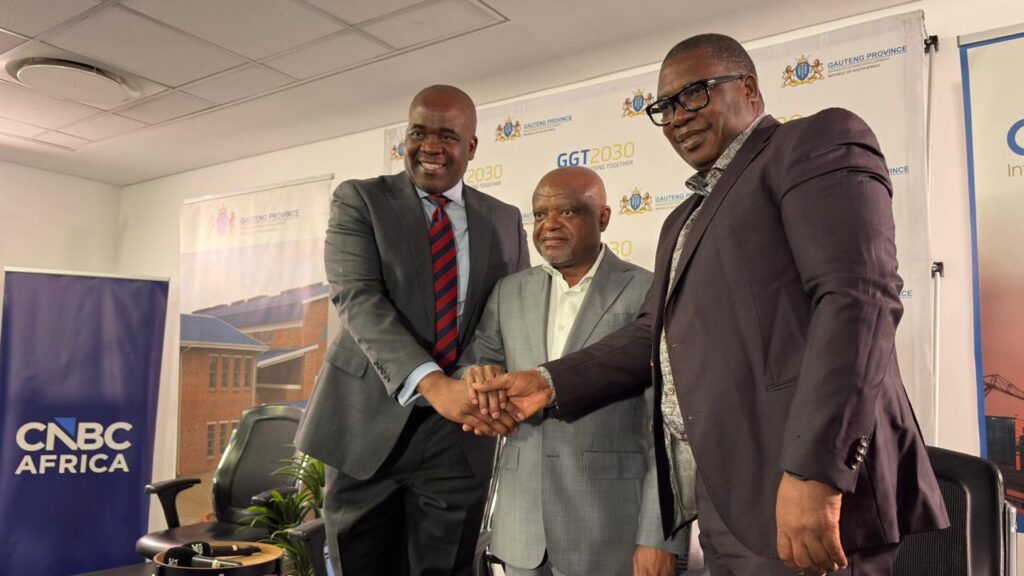
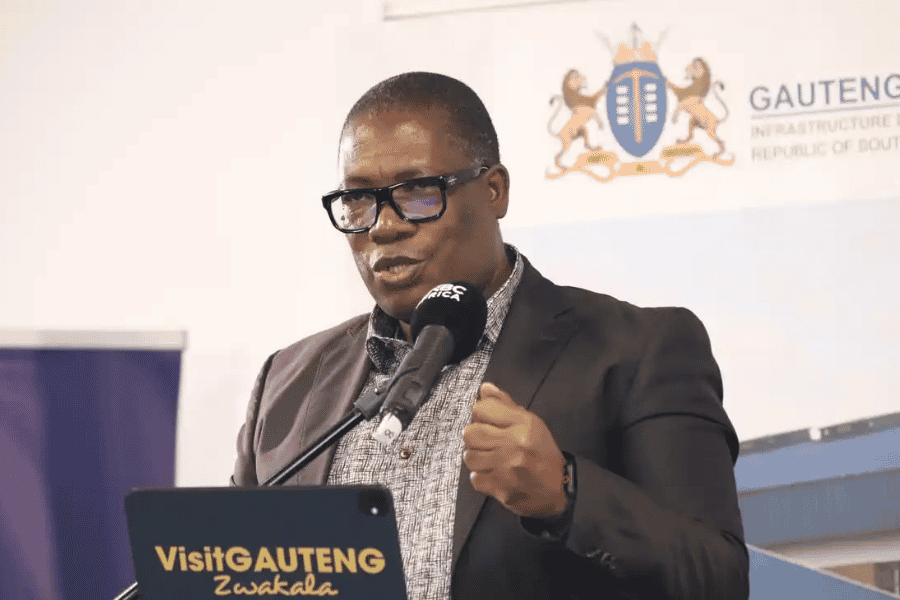
Gauteng MEC for Infrastructure Development Jacob Mamabolo said the agreement is designed to move beyond speeches and blueprints to bankable projects that can actually attract money.
“The revitalisation of Johannesburg’s CBD requires more than government intervention alone. It requires a coordinated approach that brings together the resources, expertise and investment capacity of both the public and private sectors,” Mamabolo said.
“Through this partnership with the DBSA, we are putting in place the institutional arrangements necessary to unlock the economic potential of government properties and attract investment into the inner city,” he said.
At the heart of the plan is the province’s Property Optimisation Strategy, which seeks to turn government-owned buildings – many of them dilapidated, underutilised or costly to maintain – into productive economic assets.
The strategy involves commercialising vacant properties, cutting holding costs, refurbishing existing buildings and developing integrated precincts that can house government services while also creating space for private business.
Mamabolo said restoring investor confidence is the central political test.
“Our objective is to restore investor confidence in Johannesburg’s inner city by demonstrating that government is prepared to lead, coordinate and facilitate development. We want to see government properties becoming productive economic assets that attract businesses, create employment opportunities and contribute towards the long-term sustainability of the city,” he said.
The announcement comes as the City of Johannesburg battles a full-blown service delivery crisis, with unsafe buildings, intermittent electricity, water outages, waste collection failures and a streetscape widely seen as ungovernable. The provincial intervention is therefore as much political as it is developmental – an admission that without fixing the CBD, Gauteng cannot credibly claim to be building smart, sustainable and economically competitive cities.
The programme will dovetail with the City’s own operations to reclaim hijacked buildings, improve public safety, upgrade roads and public spaces, and restore basic services.
The provincial government says it will now work with the City, the DBSA, financial institutions and private property owners to identify bankable projects, mobilise funding and fast-track implementation.