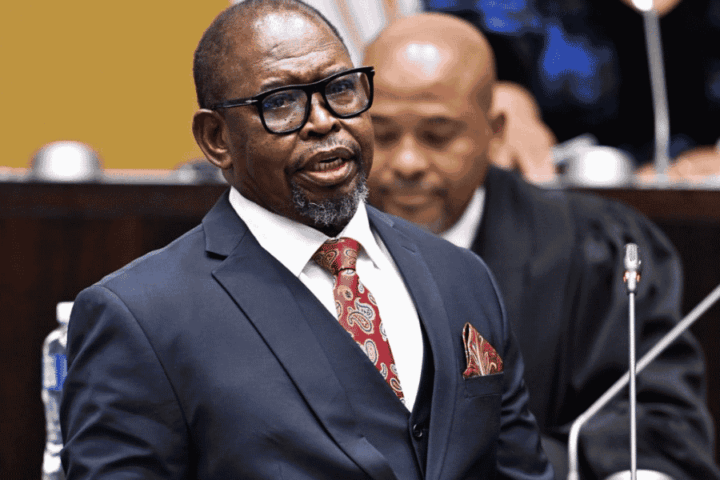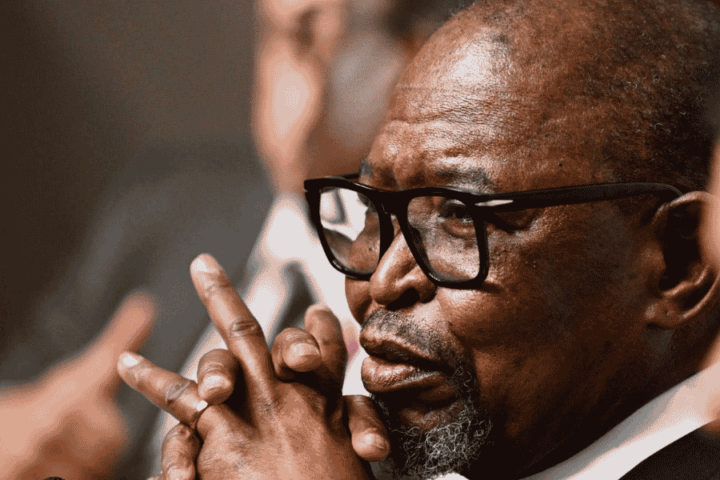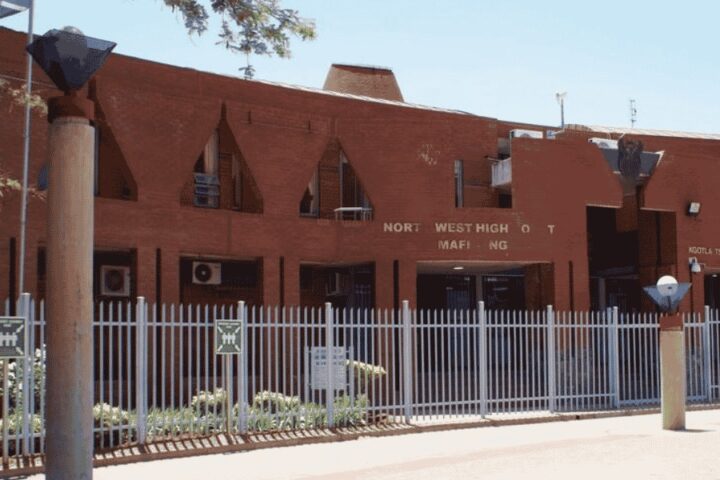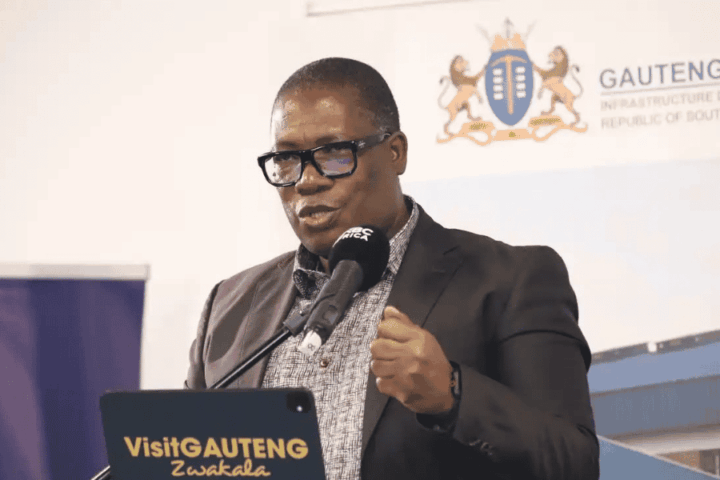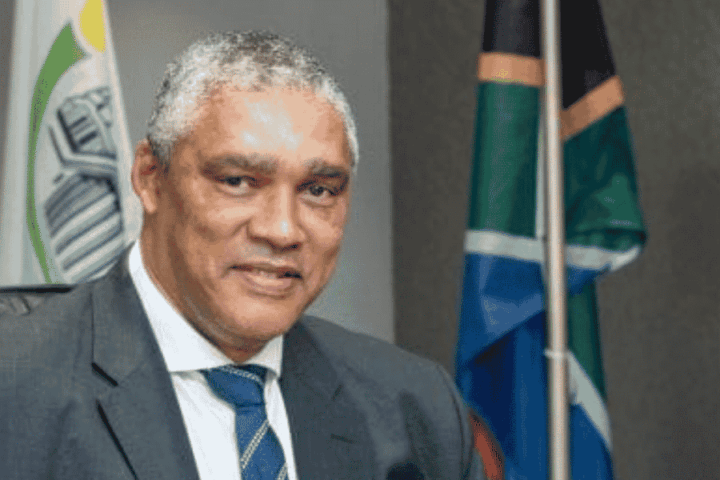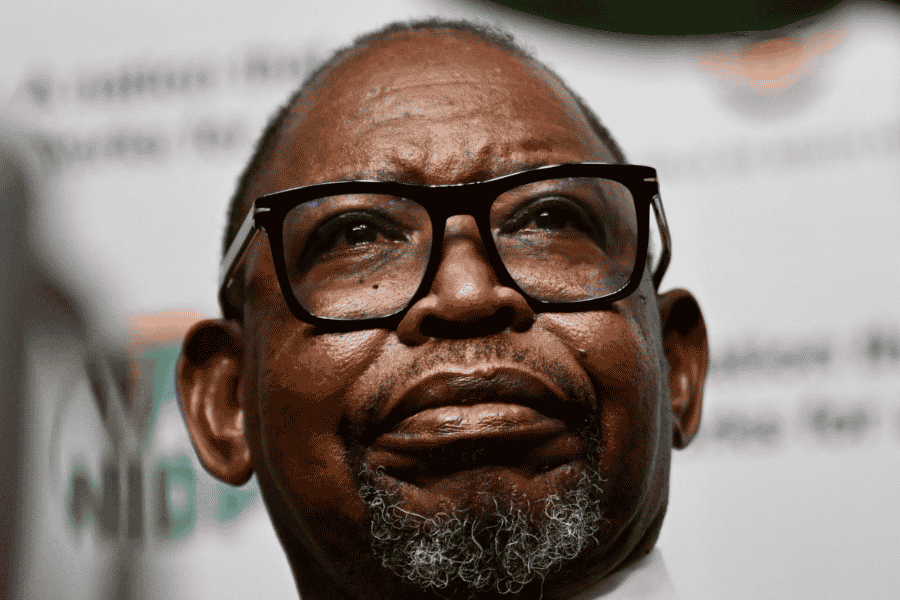
Finance Minister Enoch Godongwana has defended a R516 million allocation for the Madlanga, Khampepe and Nkabinde commissions of inquiry, framing the expenditure as unavoidable and essential to restoring integrity in South Africa’s criminal justice system.
Tabling adjustments to the 2026/27 budget on Wednesday, Godongwana listed the commissions alongside disaster relief, defence deployments and other in-year pressures that government must fund despite fiscal constraints.
“Together with allocations from the contingency reserve, the Adjustments Appropriation Bill includes… R516 million for the Madlanga, Khampepe and Nkabinde commissions of inquiry,” he told Parliament.
Godongwana did not provide a breakdown per commission, but made it clear the funding was part of a broader push to fight crime and corruption, which he said continues to cripple service delivery and economic growth.
“Crime and corruption weaken governance and hold back the economy. It robs the fiscus of funds intended for service delivery and raises the cost of doing business,” he said.
The defence of the allocation comes as both the Madlanga and Khampepe commissions enter politically explosive phases.
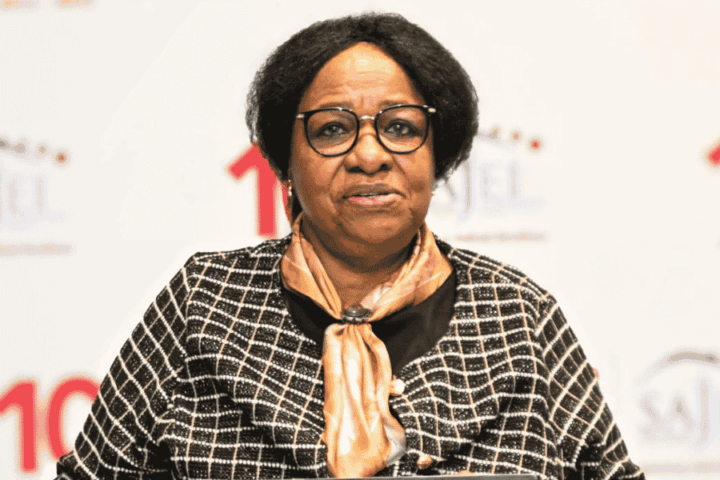
The Khampepe Commission, chaired by retired Constitutional Court Justice Sisi Khampepe, is investigating whether political executives deliberately blocked the prosecution of apartheid-era crimes referred by the Truth and Reconciliation Commission.
In the past week it has heard directly contradictory testimony from former President Thabo Mbeki, who denied any secret deal with apartheid generals, and former Justice Minister Brigitte Mabandla, who denied ordering the NPA to halt TRC prosecutions in 2004.
Former NPA officials have told the commission the opposite – that they were instructed to stop investigations pending political guidance.
The Madlanga Commission, chaired by retired Justice Mbuyiseli Madlanga, is probing allegations of criminal infiltration, corruption and political interference within the criminal justice system, particularly the SAPS and its relationship with prosecutors and intelligence.
Both inquiries have reignited debate about the cost of commissions, with critics questioning whether South Africa can afford another round of lengthy, lawyer-driven investigations after the R1 billion Zondo Commission.
Godongwana’s answer was to place the R516 million inside the category of unforeseeable and unavoidable spending, alongside R6.2 billion for disaster relief, R823 million for SANDF deployments to fight gang crime and illegal mining, and R1.9 billion in rollovers.
Government, he argued, is increasing overall expenditure by R45.5 billion because revenue is stronger than expected in February, with gross tax revenue revised upwards by R17.1 billion due to higher corporate tax, dividends tax and VAT.
That fiscal space, he said, allows the state to fund both service delivery and accountability mechanisms without derailing debt stabilisation.
Debt-to-GDP has stabilised at 78.4 percent for the first time in nearly two decades, while the primary surplus is set to grow from 1.7 percent to nearly 3 percent by 2030.
Godongwana linked the inquiries to ongoing efforts to meet Financial Action Task Force requirements, which test whether laws work in practice through investigations, prosecutions and asset forfeitures.
Government is also recapitalising the SAPS fleet at a cost of R810 million next year and adding R2.2 billion over the medium term to enhance judicial independence – interventions that complement, rather than replace, the work of the commissions.
The R516 million will cover operational costs including commissioners, evidence leaders, investigators, legal teams and secure venues, at a time when both the Madlanga and Khampepe commissions face extensive cross-examination applications and mounting volumes of evidence.