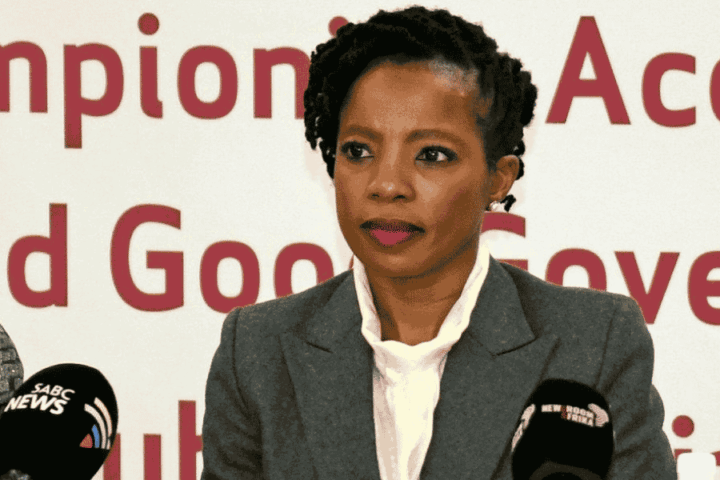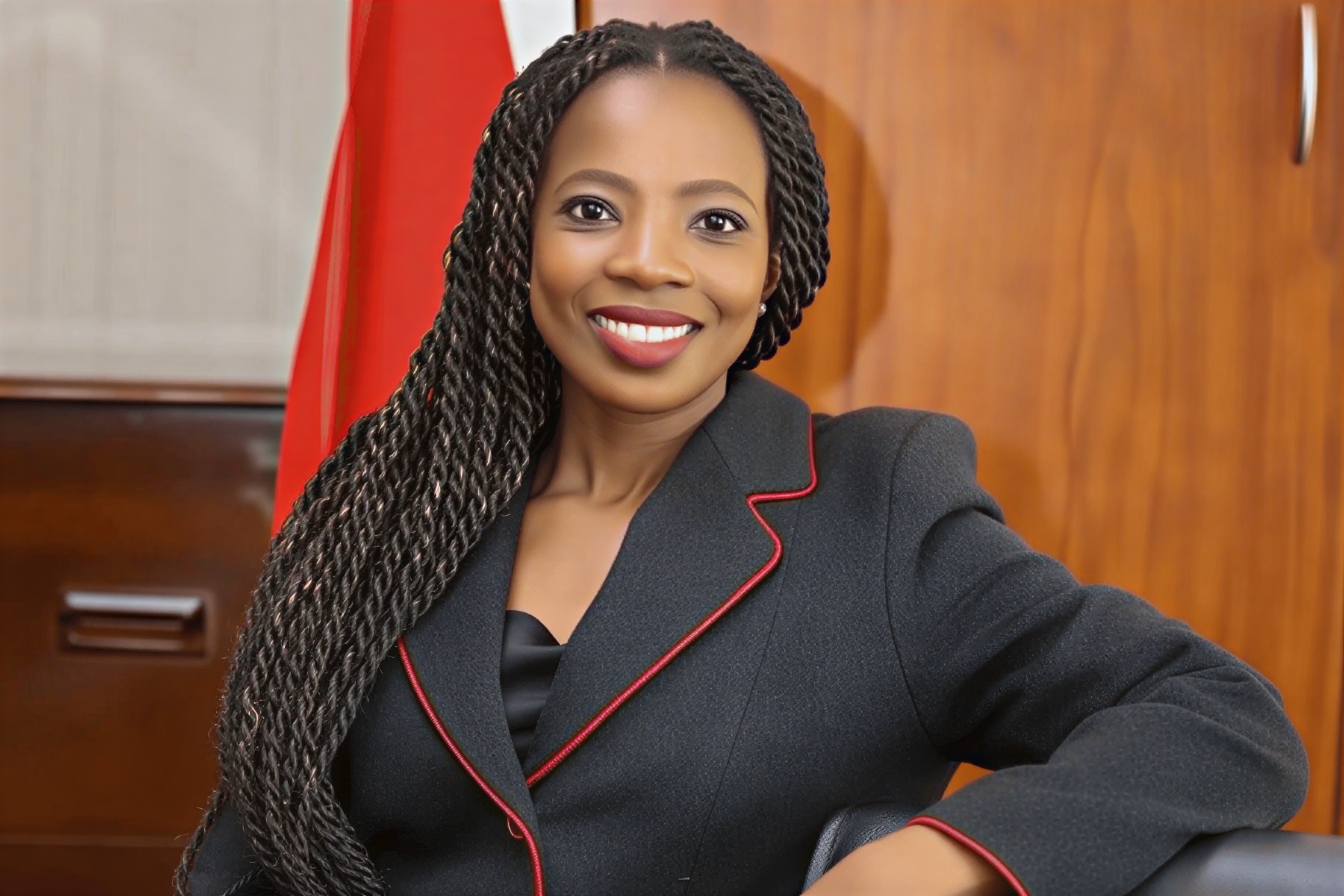
Public Protector Kholeka Gcaleka has called for urgent action to address ongoing challenges affecting student accommodation.
Her call follows findings that concerns surrounding the administration, governance, funding, co-ordination and oversight of student financial aid are “substantiated”.
Gcaleka made the remarks on Tuesday while briefing the media on her office’s investigation into allegations of maladministration at the National Student Financial Aid Scheme (Nsfas).
She said her investigation had uncovered several systemic problems affecting student accommodation, particularly delays in the payment of accommodation allowances and shortcomings in the accreditation and verification of private accommodation providers.
According to Gcaleka, these weaknesses have increased the risk of fraud and exploitation while leaving some students facing uncertainty over where they will live.
The Public Protector’s office conducted in loco inspections at a number of sampled higher education institutions as part of its investigation.
Following the inspections, Gcaleka announced that her office would launch a separate own-initiative systemic investigation focusing specifically on student accommodation.
She also called on the government to act immediately on problems linked to Nsfas-funded accommodation instead of waiting for the findings of the new investigation.
The initial investigation into Nsfas followed complaints alleging administrative failures that were preventing students from accessing financial aid and, in turn, higher education opportunities.
Gcaleka said the investigation subsequently exposed broader problems within the higher education system.
Among the concerns identified were insufficient access to tuition funding, shortcomings in existing funding mechanisms, difficulties with student accommodation, funding eligibility requirements and delays in distributing allowances.
She said information obtained by her office pointed to ongoing instability and inefficiencies within the Nsfas system.
Students reportedly experienced delays in receiving confirmation of their funding, accommodation and other allowances, decisions on appeals and the settlement of outstanding tuition fees.
In some instances, these problems resulted in students being unable to obtain their qualifications because their tuition accounts had not been settled.
Gcaleka said the preliminary findings also revealed continuing problems with governance, administration and institutional systems at Nsfas.
She pointed out that the scheme had been placed under administration on three occasions over the past eight years.
According to Gcaleka, the repeated governance and administrative problems have undermined Nsfas’ ability to fulfil its legal responsibilities effectively and efficiently.
“These deficiencies have impaired its ability to discharge its statutory mandate effectively, efficiently and in a manner consistent with the standards expected of a public entity entrusted with public funds and vulnerable beneficiaries,” she said.
She said students continued to face repeated delays in receiving funding decisions, outcomes of appeals and financial allowances.
Gcaleka warned that these delays had consequences extending beyond administrative inconvenience.
She said affected students had faced food insecurity, unstable accommodation and, in some cases, exposure to unsafe living environments.
“These delays caused direct and foreseeable prejudice, including food insecurity, accommodation instability and exposure to unsafe living conditions,” she said.
Gcaleka said the problems at Nsfas could therefore not be regarded simply as internal administrative or technical failures.
“Such outcomes demonstrate that Nsfas’ failures were not merely technical or internal, but materially affected students’ dignity, welfare and ability to participate in higher education,” she said.
The separate investigation into student accommodation will seek to examine the systemic problems surrounding the provision and funding of accommodation for Nsfas beneficiaries.