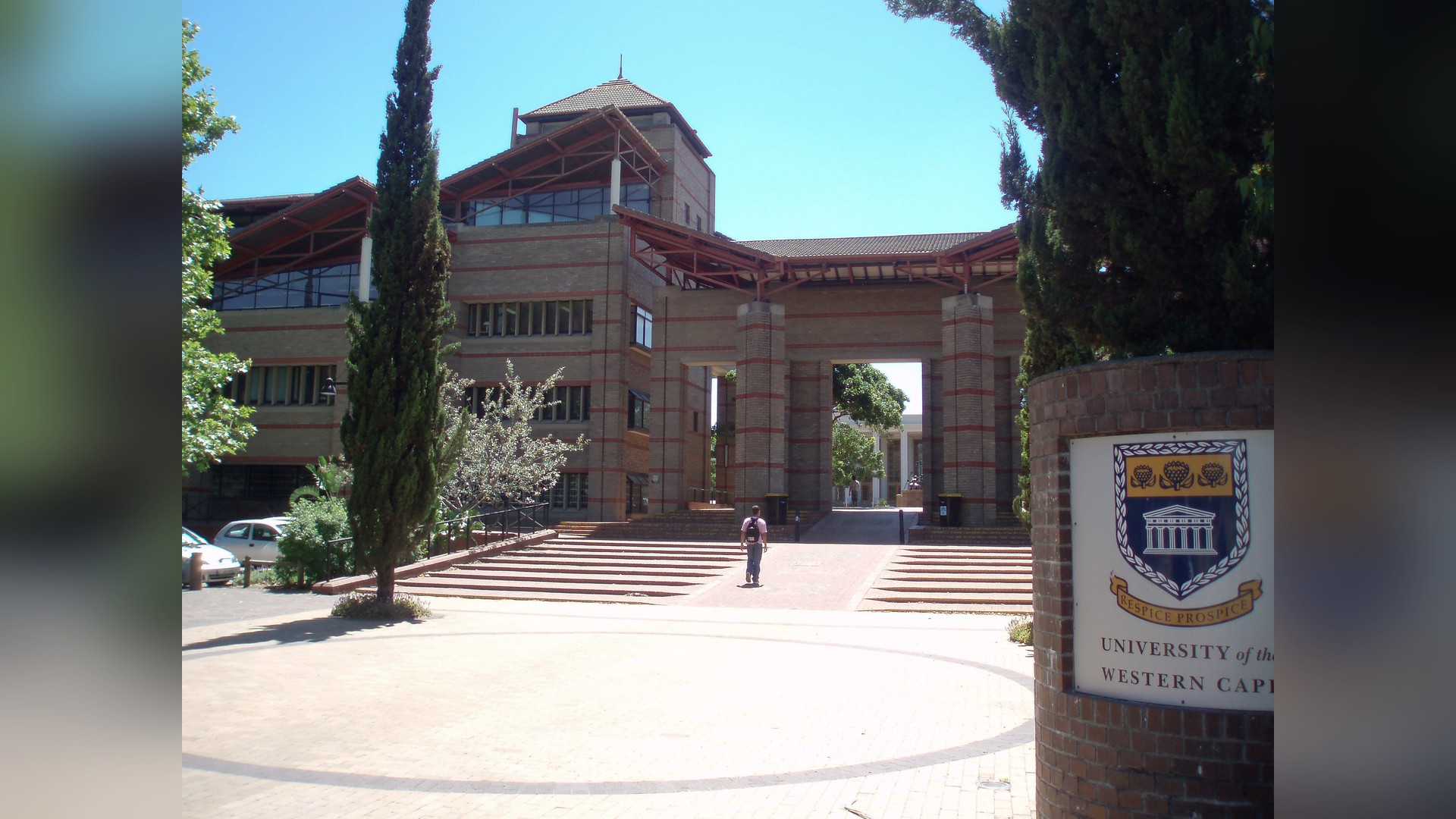
Professor Matete Madiba, the deputy vice-chancellor for student development and support from University of the Western Cape has admitted that there is no internal dispute mechanism for students who disagree with her decisions on the SRC election timetable.
The admission comes as the SRC prepares to take the university to court on Monday, 16 November over the disputed elections.
Madiba made the admission before Parliament’s Portfolio Committee on Higher Education on Friday.
Committee chairperson Tebogo Letsie asked Madiba what recourse a student would have if they disagreed with the election timetable after she had approved it.
“Currently in the constitution, I am that final level where consultations and deliberations would have happened. By the time it comes to me, there would have been a number of eyes and heads that have looked at it or talked about it or discussed it. So the constitution says my office has the final say,” Madiba said.
“So there’s no dispute mechanism involved there,” Letsie replied.
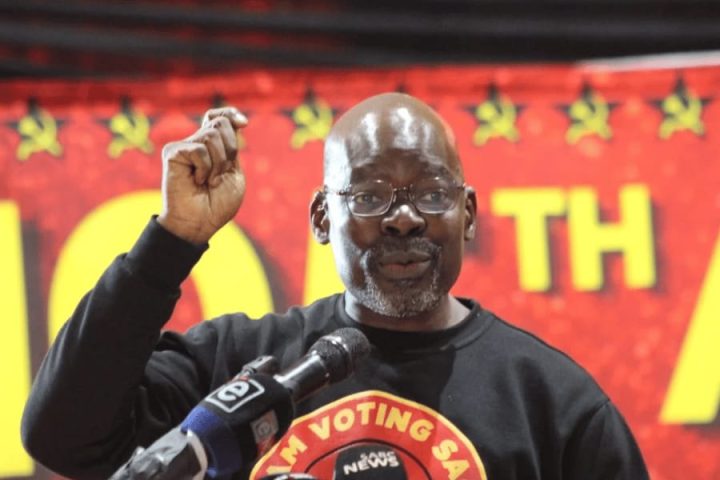
SRC president McIntosh Khasembe told the committee that students had exhausted all internal avenues and had been left with no choice but to approach the courts.
“We have exhausted all internal mechanisms. This matter is now before a court on an urgent application, which will be heard on Monday. We don’t do this because it’s fun, and it doesn’t even need to go there. But we are simply not being listened to on this matter,” he said.
Khasembe said a student assembly had rejected the decision to hold elections during the examination period, arguing that the timetable left students with insufficient time to participate meaningfully in the process.
“An entire student assembly rejected the prospect of holding elections because of the academic interests of students. Students are expected to prepare and study for their exams, and yet we are being forced into an electoral process. The executive’s misconception is to think that an election is voting.
“An election is not voting. It entails voter education, campaigning, nominations and mobilisation. Voting is the last part. Students are expected to do all of that within a compressed academic schedule, and then the university expects those very same students to pass,” Khasembe said.
He accused the university of pushing ahead with the process to remove the current SRC leadership.
He said the elections had been “forcefully activated to take us out of office”.
Madiba said she was confident the university had followed the correct procedures.
“Because it is before the court, the court will help us to find clarity. I am confident with the team that we’ve done everything that needed to be done,” she said.
The university told the committee that it had briefed an attorney and a junior counsel to represent it in the court proceedings.
But Letsie questioned the strength of the university’s case and warned that it could end up wasting public money on legal fees.
“From where I’m seated now, I’m very worried about the prospects of success of the institution. I think we’re just going to donate money to lawyers to defend us. There’s so much information we have which, on the face of it, looks like you are taking this decision to exclude certain people. On the face of it. And I may be wrong,” he said.
He later added: “This process is just too flawed. I don’t see any court of law agreeing with you that you are right.”
Letsie also raised concerns about the registration of candidates.
He said a student organisation had written to him on Monday, 9 November, complaining that it had been unable to register its candidates.
According to Letsie, Madiba’s timetable listed the candidate registration period as 5 to 9 November. However, the company administering the elections had allegedly told student organisations that the deadline was 8 November, with only independent candidates permitted to register on 9 November.
Madiba said she was unaware that any organisation had been prevented from registering and asked for an opportunity to investigate the complaint.
Letsie also criticised university managers for taking legal decisions without facing the financial consequences personally.
“You guys won’t learn the lesson because you don’t pay from your own pockets. It’s somebody else who’s paying, which is the institution. The reason I’m asking what must happen if you lose is that I was hoping you would say, ‘I’ll pay that money myself, and the university must not suffer because I took a decision,'” he said.
Madiba said one possible outcome of the court proceedings was that the elections could be stopped.
Friday’s meeting was a follow-up to the committee’s oversight visit to UWC in May, which took place amid student protests over conditions in off-campus residences.
In its report on the visit, the committee recommended that the university’s council and management establish a stakeholders’ forum to address grievances raised by students and organised labour.
Earlier this year, students shut down the campus over residence placements. Khasembe said at the time that about 4,000 students were still waiting to be accommodated.