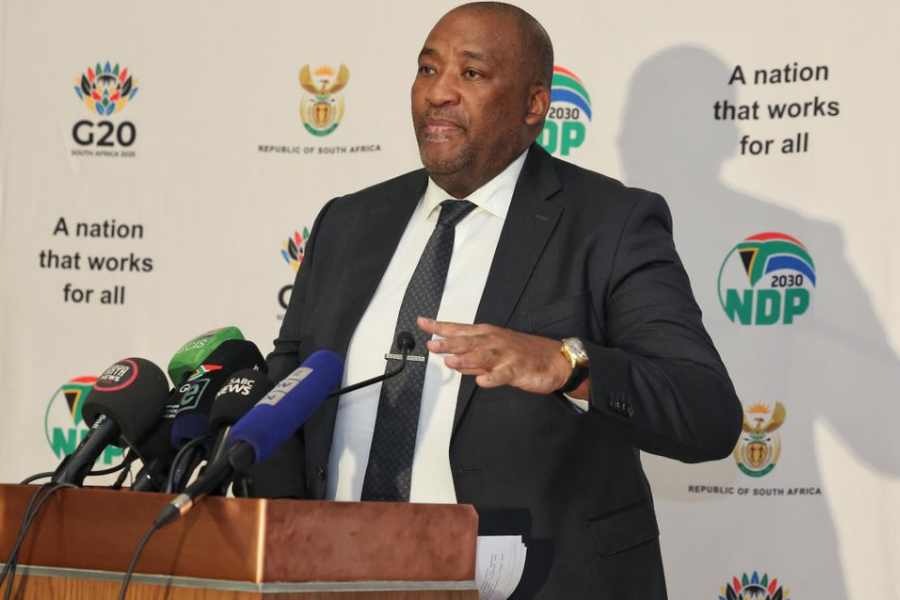
The Democratic Alliance (DA) has lodged a complaint with the Public Protector against Sport, Arts and Culture Minister Gayton McKenzie, accusing him of breaching executive ethics rules by allegedly benefiting members of his own Patriotic Alliance (PA) through appointments and the department’s nearly R31 million FIFA World Cup programme
The DA has asked the Public Protector to investigate both matters.
The first leg of the complaint centres on appointments to the 2025/26 Mzansi Golden Economy adjudication panel, which was responsible for recommending the allocation of almost R110 million in public funding to arts and cultural projects.
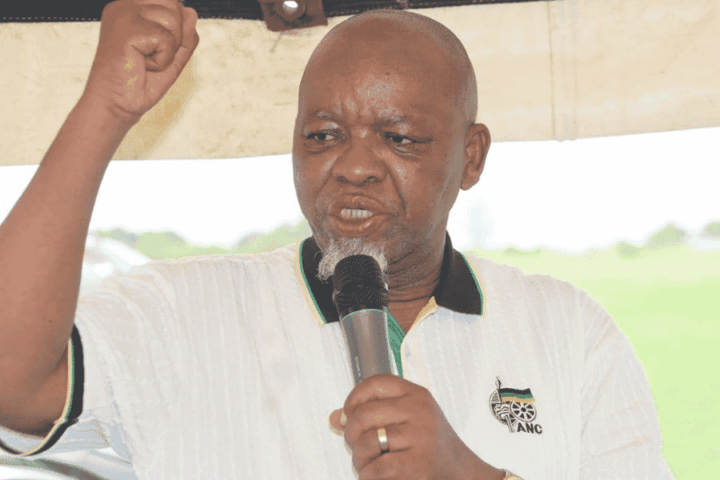
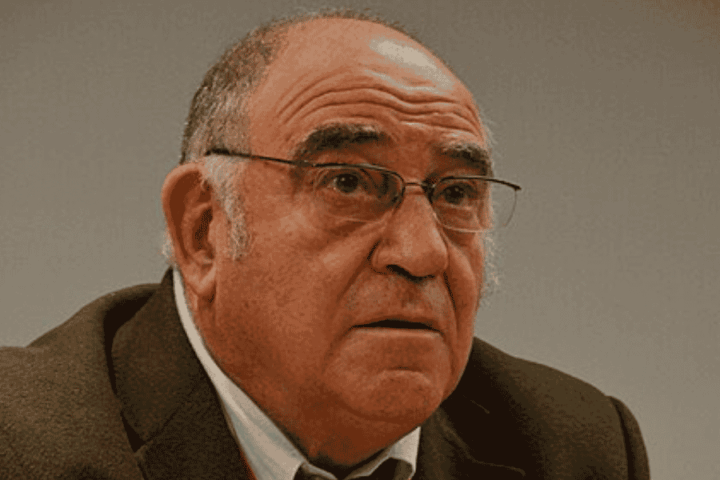
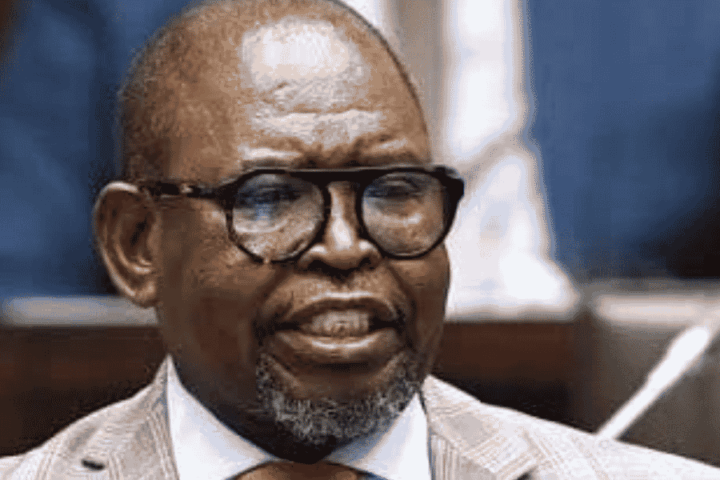
According to the DA, three of the six panellists — Steve Motale, Vernon Vraagom and Francisco Tejada — were active members of the Patriotic Alliance when they were appointed. Motale also served as the party’s national spokesperson.
DA MP Leah Potgieter said the appointments meant that half of the adjudication panel consisted of active members of the minister’s own political party.
“McKenzie’s own Deputy Minister and the department’s Director-General have confirmed that the Minister personally set the requirements for the panel and made the appointments,” Potgieter said.
“This means that the Minister determined the rules, selected the panel and appointed active members of his own political party to decide how nearly R110 million would be distributed.”
She further questioned the allocation of the funding, saying there was still no complete public account of where the money had ultimately gone.
“The R110 million fund was established on paper to create opportunities for artists and grow the creative economy, but appears to have created opportunities for the Patriotic Alliance,” she alleged.
The second part of the complaint relates to expenditure associated with South Africa’s participation in the 2026 FIFA World Cup, particularly the department’s R30.9 million programme budget.
Potgieter questioned the R7.9 million spent on official travel for an 18-member government delegation and said McKenzie’s own travel costs of just over R1 million warranted investigation.
“While Gayton McKenzie spent R31 million on going to the World Cup, South African sporting federations are struggling to survive,” she said.
“While athletes hold fundraisers to buy plane tickets, this Minister presided over a R31 million World Cup bonanza.”
The DA argues that a pattern has emerged in which the minister allegedly appoints political associates, oversees the allocation of public funds and then fails to provide Parliament with complete records when questions are asked.
“The Department of Sport, Arts and Culture does not belong to Gayton McKenzie. The Public Protector is now empowered to investigate,” Potgieter said.
McKenzie has, however, strongly defended both the appointments process and the World Cup expenditure, arguing that the programme formed part of government’s responsibility to market South Africa internationally.
“So if you are angry with me for R31 million at the World Cup, you’re going to kill me with a bill of Formula One,” McKenzie said.
“I’m busy bringing big events here. I’m ambitious. If you put me as Sports Minister and you don’t want me to be ambitious, then I’m not your guy.”
He argued that South Africa had to invest in showcasing itself internationally to attract tourism, investment and future sporting events.
“We have to sell our country. We have to showcase our country. That’s my job. That is what the President told me is my job,” he said.
Earlier this week, McKenzie also released a detailed breakdown of the R30.9 million programme expenditure, rejecting suggestions that the money had been spent on personal travel.
According to the department, the expenditure included R7.86 million on official travel for the minister, his support staff, the Director-General and project team members, R6.7 million for the South Africa 2010 Legends Exhibition Match, R3.36 million for hospitality suites, R3.01 million for match tickets and R10 million for fan engagement, cultural activations and programme delivery involving 30 South African artists.
McKenzie said the World Cup programme extended well beyond attending football matches and included engagements aimed at promoting South Africa as a tourism, investment, sporting and cultural destination.
He said the delegation held meetings with Mexican government officials, Formula One organisers, chambers of commerce and cultural institutions while showcasing South African artists through the country’s Ekhaya activation programme.
He also stressed that several private sector sponsors, including Brand South Africa, Coca-Cola, HONOR, Betway, Cell C and Old School, funded the travel of journalists, influencers, podcasters and supporters separately from the department’s budget.
On his own travel costs, McKenzie said his official expenditure amounted to R1 058 379.75 over five weeks, including a mandatory return trip to South Africa for the June 16 commemoration in Soweto.
He said he had declined subsistence allowances worth R55 000, avoided dedicated chauffeur services and ensured that members of his family who travelled during part of the tournament paid all their own expenses.
“This was not a holiday. It was a coordinated national branding, cultural diplomacy and investment-promotion programme,” McKenzie said.
He added that every expenditure item remained subject to the Public Finance Management Act, Treasury regulations and departmental auditing processes, with a consolidated close-out report to be tabled once all invoices and sponsorship contributions had been reconciled.