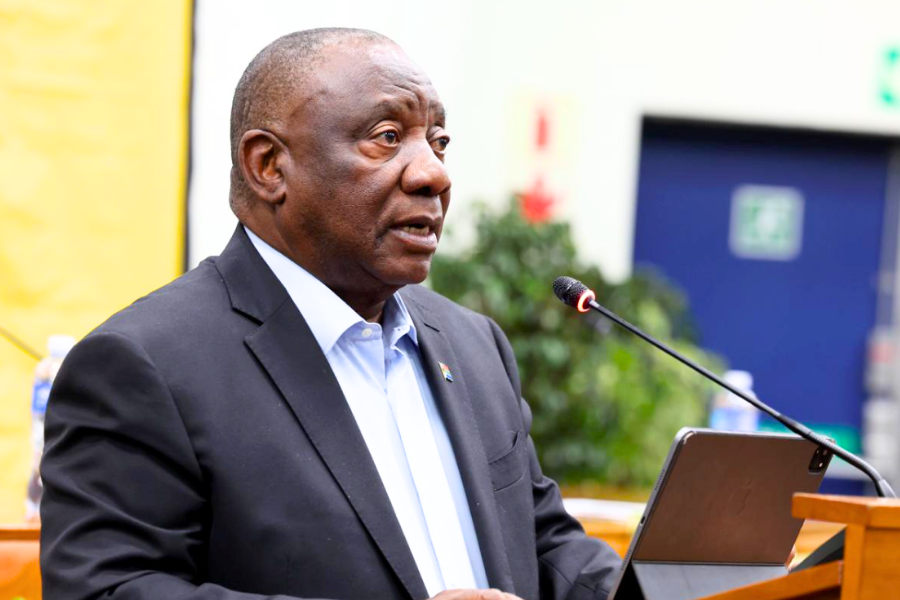
President Cyril Ramaphosa will on Friday learn whether the Western Cape High Court will halt Parliament’s Section 89 impeachment inquiry while his broader legal challenge against the independent panel report into the Phala Phala saga is still pending.
A full bench of the High Court in Cape Town reserved judgment last week after hearing Ramaphosa’s urgent application over two days.
The president is seeking an interim interdict to stop the parliamentary impeachment process, arguing that allowing the inquiry to proceed before his review application is heard could cause him irreversible reputational damage.
Ramaphosa’s legal team contended that the Section 89 committee should not continue its work while the courts are still considering the legality of the independent panel report that recommended Parliament investigate whether he had a case to answer over the 2020 theft of foreign currency from his Phala Phala farm.
His review application challenging the panel’s report is scheduled to be heard in September.
Despite the pending court challenge, Parliament’s Section 89 committee has continued with preparatory work.
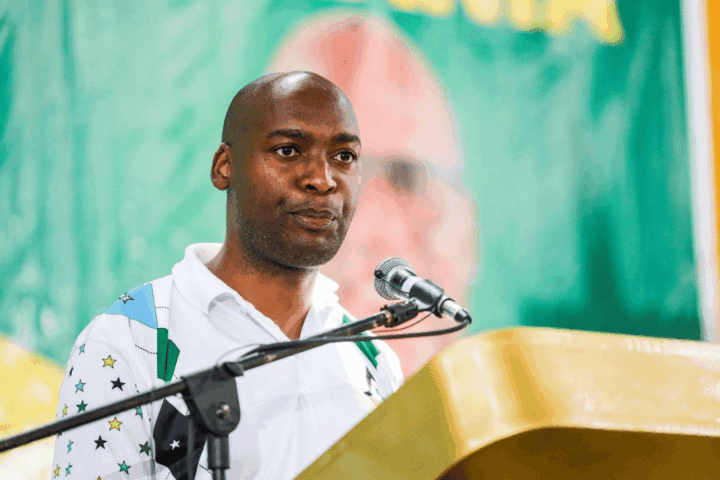
Committee chairperson Makashule Gana has maintained that, unless the court orders otherwise, the committee will proceed with its mandate.
“What’s also encouraging, at least for me as the chairperson, is the final inputs by the President’s counsel, which indicate that the work of the committee so far is preparatory,” Gana said.
“The appointment of evidence leaders, the preparation of witnesses, the finalisation of the terms of reference and all that work are not matters they are seeking to interdict. In any case, we’re not going to stop until the court has made a determination.”
The committee is expected to meet on Wednesday to finalise the inquiry’s terms of reference and consider nominations for an evidence leader who will assist with the impeachment inquiry.
Friday’s judgment is expected to determine whether the committee may continue its work ahead of Ramaphosa’s September review application or whether the parliamentary process must be paused until the courts have ruled on the legality of the panel’s findings.